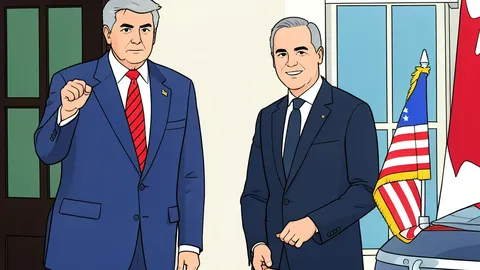
Canada Returns to Parliament Amid EU Ties and Trade War
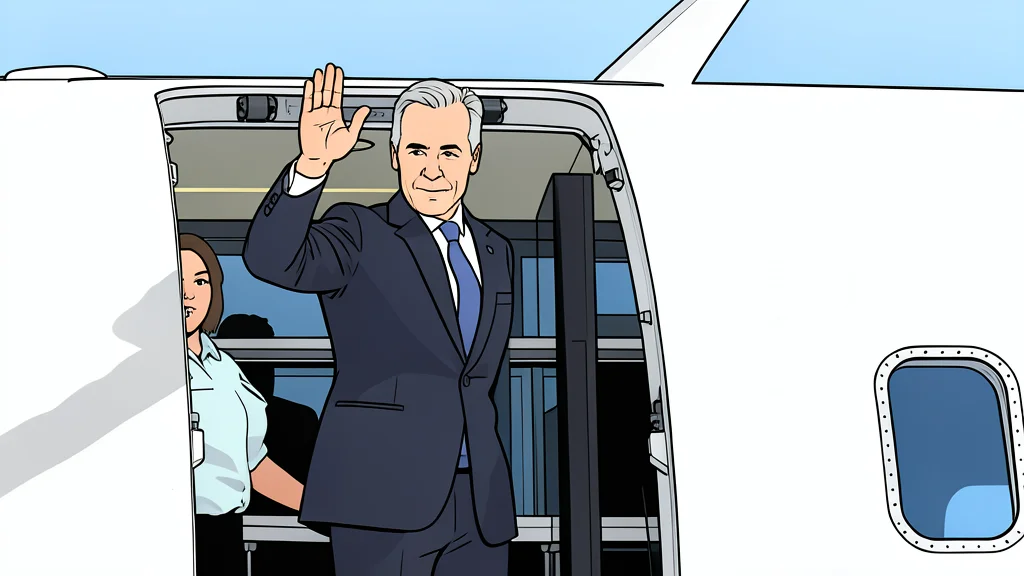
Canada’s House of Commons reconvenes Monday as Prime Minister Mark Carney pushes for EU associate status and addresses economic concerns.
Key points
- Prime Minister Mark Carney plans to introduce major economic legislation and seek EU associate membership status.
- Trade talks with the US were suspended in August after Washington demanded restrictions on Canada's sovereignty.
- The Liberal majority is maintained with three new MPs, while four Conservatives defect to the opposition.
Canada’s House of Commons is set to reconvene on Monday following a three-month recess, with the government prioritizing its complex relationship with the United States and a new strategic pivot toward Europe. Prime Minister Mark Carney has indicated that the upcoming session will be pivotal, featuring significant legislative changes aimed at economic stability and infrastructure development.
According to thestar.com, Carney’s agenda includes formalizing a potential associate membership with the European Union, a move that has intensified tensions in Ottawa and Washington. The Prime Minister stated that the House will have the opportunity to debate and vote on any proposed alliance, underscoring the government's commitment to parliamentary oversight in this historic diplomatic shift.
Trade tensions reshape diplomatic strategy
The shift toward Europe follows the suspension of trade negotiations with the United States in August. Carney cited unacceptable demands from Washington, including restrictions on Canada’s language protections and its ability to sign trade deals with other nations. U.S. President Donald Trump recently warned that Canada joining the EU as an associate member could be viewed as a hostile act, further complicating the bilateral relationship.
European Commission President Ursula von der Leyen has opened the door to this new category of membership, which does not currently exist within the EU framework. Carney has continued his international engagements even as parliament returns, meeting with French President Emmanuel Macron and the Norwegian Prime Minister before traveling to New York for the United Nations General Assembly.
Economic legislation and labor reforms
Domestically, the government plans to introduce the Building Canada Strong Act, designed to streamline reviews for major infrastructure projects. Government House leader Steven MacKinnon described this economic legislation as the centerpiece of the fall sitting. Additionally, Jobs Minister Patty Hajdu announced upcoming changes to the Labour Code intended to reduce the frequency of federal interventions in labor disputes, a move that may face political scrutiny.
Parliamentary dynamics shift with new members
The Liberal government holds a slim majority as it returns to the floor, bolstered by three new MPs elected in recent byelections. The party secured victories in North Vancouver-Capilano, Beaches-East York, and Chicoutimi-Le Fjord. Meanwhile, the Conservative caucus faces significant turnover, with several long-serving members resigning and four others crossing the floor to join the Liberals, altering the balance of power in the chamber.