Three US Media Outlets Barred from White House Access
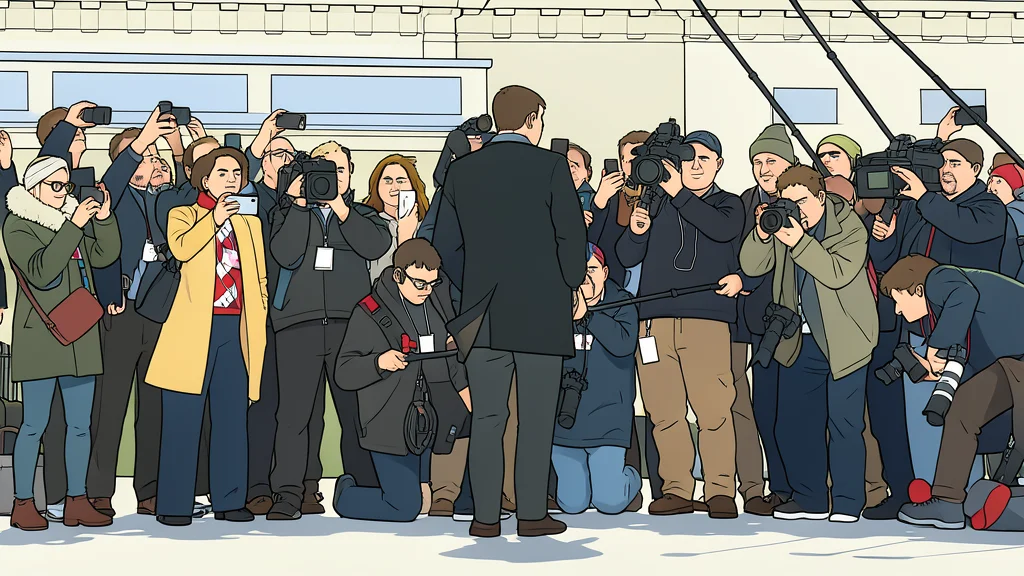
Former CNN correspondent Jim Acosta says the current ban targets specific outlets, prompting unprecedented industry solidarity.
Key points
- CNN, MS NOW, and Politico have been barred from the White House and have sued, alleging First and Fifth Amendment violations.
- The White House cites a study claiming 92% of recent coverage was negative to justify the access restrictions.
- NPR and other major networks have joined a solidarity effort by refusing to replace the banned outlets in the video pool.
Former CNN correspondent Jim Acosta has experienced the revocation of White House press credentials before, but he argues the current situation involves broader stakes. In 2018, his personal access was suspended after a contentious interaction with President Donald Trump, a move that was eventually reversed by the administration. Now, the conflict has expanded to include three major news organizations: CNN, MS NOW, and Politico.
According to reporting by NPR World, the three outlets have filed lawsuits alleging violations of their First and Fifth Amendment rights. The White House contends that the First Amendment protects the right to publish but does not grant a right to access. This legal and professional dispute has triggered a wave of solidarity among peers, with several major networks refusing to replace the banned outlets in the video pool.
Industry Solidarity Takes Shape
Acosta noted that the current response from the press corps is distinct from previous incidents. Major television networks have declined to take over the video pool duties previously held by CNN. Additionally, NPR has announced it will not use audio from White House events until further notice. Acosta described this collective action as a necessary safety valve for the public's access to accurate information.
The former correspondent suggested that this level of unified support should have emerged earlier, citing previous restrictions imposed on the Associated Press. The AP was previously penalized for refusing to adopt the president's preferred terminology for the Gulf of Mexico. Acosta believes the current push for access rights reflects a deeper concern about the integrity of news reporting in the face of political pressure.
Citations of Negative Coverage
The administration has justified the bans by citing coverage it views as unfair and overly negative. The White House referenced a study by the Media Research Center, a conservative watchdog group, which claimed that 92% of coverage regarding the president during the first 100 days of his second term was negative. Acosta rejected the premise that journalism should be framed in terms of positive or negative sentiment, stating that the primary duty of journalists is to report facts that matter to the public.
Acosta argued that the administration's objections are largely directed at fact-checking rather than editorial tone. He questioned whether the public should allow truth to be subordinated to political preference. According to Acosta, the role of the press is to provide a fair and accurate account of events regardless of who holds office, ensuring that citizens are not left without a reliable source of information.
Legal and Political Implications
The lawsuits filed by CNN, MS NOW, and Politico represent a significant legal challenge to the administration's position on press access. While the White House maintains that access is a privilege rather than a right, the plaintiffs argue that the specific targeting of these three organizations violates constitutional protections. The outcome of these cases could set a precedent for the relationship between the executive branch and the media in the coming years.
As the legal battles proceed, the broader media industry continues to monitor the situation closely. The refusal to participate in the video pool and the suspension of audio usage signal a shift in how news organizations engage with the White House. Observers will watch to see if this solidarity expands to other parts of the media landscape or if the legal rulings force a reconsideration of the administration's approach to press relations.