Washington Rally Opposes Potential Kennedy Center Demolition
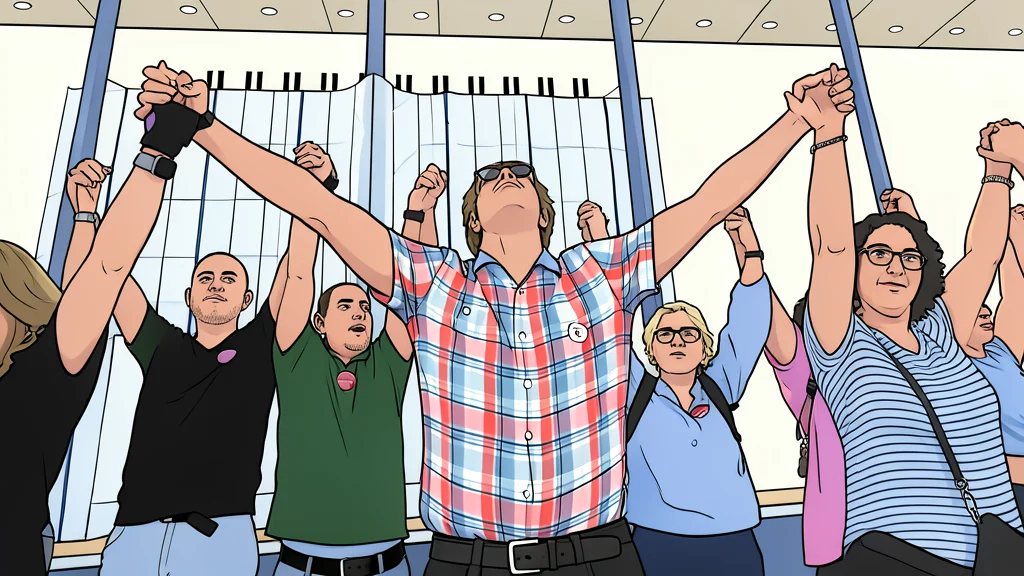
Thousands formed a human chain around the Kennedy Center in Washington, D.C., expressing concern over reports that the administration may demolish the institution if it does not receive specific recognition.
In a display of civic solidarity, thousands of residents and arts community members gathered in the Foggy Bottom neighborhood of Washington, D.C., to form a human chain around the Kennedy Center. The demonstration, titled "Hands Around the Kennedy Center," took place against a backdrop of growing anxiety regarding the future of the cultural landmark. According to reports from Deutsche Welle, the crowd’s presence was a direct response to statements made by President Donald Trump suggesting the building could be torn down.
Participants in the rally held placards demanding that the institution remain intact, with many citing the center's vital role in the local arts ecosystem. The atmosphere was one of determination rather than aggression, as protesters sang and linked arms to physically encircle the neoclassical structure. This act of symbolic protection underscores the deep connection many Washingtonians feel toward the venue, which has served as a cultural anchor for decades.
Protesters Frame Issue as Cultural Preservation
While the immediate trigger for the unrest appears to be political, many attendees described the conflict as fundamentally about artistic freedom and institutional independence. Neal Racioppo, a local marketing professional, expressed visceral discomfort with the prospect of demolition, arguing that the administration lacks the authority to dismantle a living memorial to a past president. He suggested that the drive to remove the building was a reaction to the court-ordered removal of the current president's name from the facade in June.
Bud Wilkinson, a member of the local arts community, emphasized that the stakes extend beyond naming rights. He stated that the core issue involves the potential censorship of performances and programming. For Wilkinson and others, the Kennedy Center is not merely a building but a critical infrastructure for the city's cultural life, making any threat to its existence a threat to the artistic expression of the capital itself.
Administration Cites Structural Deterioration
The Trump administration has consistently argued that the Kennedy Center, inaugurated in 1971, is in a state of severe disrepair. Officials have pointed to structural dangers and the high costs of maintaining the facility, claiming that previous management left the building in a dangerous condition. President Trump stated on Wednesday that if the administration does not receive "recognition" for its involvement in funding and managing the institution, it would face closure and eventual demolition.
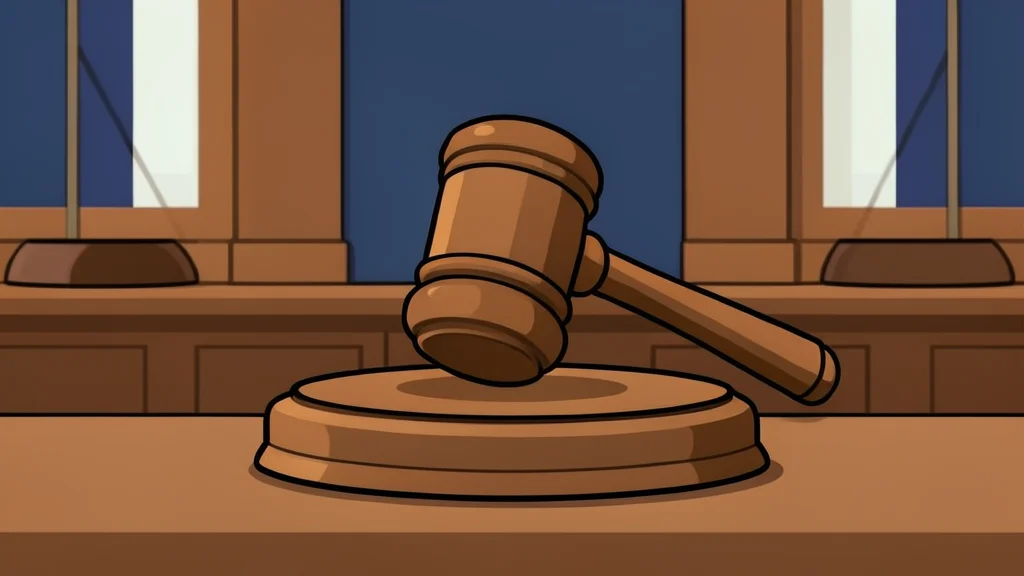
This position follows a series of legal and administrative battles over the center's governance. A board handpicked by the Trump administration voted last year to rename the institution the Trump-Kennedy Center, a move that was subsequently reversed by a judge who ruled the name change illegal. The administration now appears to be leveraging the building's physical condition as a leverage point in this ongoing dispute.
Institutional Future Remains Uncertain
The Kennedy Center stands at a crossroads, caught between political ambition and cultural heritage. The recent rally highlights the intensity of public sentiment against the potential loss of the venue. As the administration continues to assert that the building is in "very bad shape," critics argue that this narrative masks a broader attempt to control the institution's identity and output.
Looking ahead, the key question is whether legal challenges will provide a definitive resolution or if the dispute will remain a protracted standoff. Watch for further statements from the White House regarding specific demolition timelines or funding allocations, as well as any new legal filings from the Kennedy Center's legal team. The coming weeks will likely see intensified lobbying efforts from both the arts community and the administration, making the Kennedy Center a focal point in the broader debate over the role of federal institutions in American culture.