US and Denmark Reach Greenland Security Accord

Washington and Copenhagen have agreed to a new framework that expands American military access to the Arctic island while preserving Danish sovereignty, effectively de-escalating a diplomatic crisis that had strained NATO relations.
The United States, Denmark, and Greenland have announced a new security agreement that grants Washington expanded military rights on the Arctic island, resolving a protracted diplomatic standoff without transferring sovereignty. President Donald Trump stated on social media that the deal provides the US with "permanent control over security" in Greenland, a formulation that signals a significant shift from his earlier demands for full acquisition or political control of the territory.
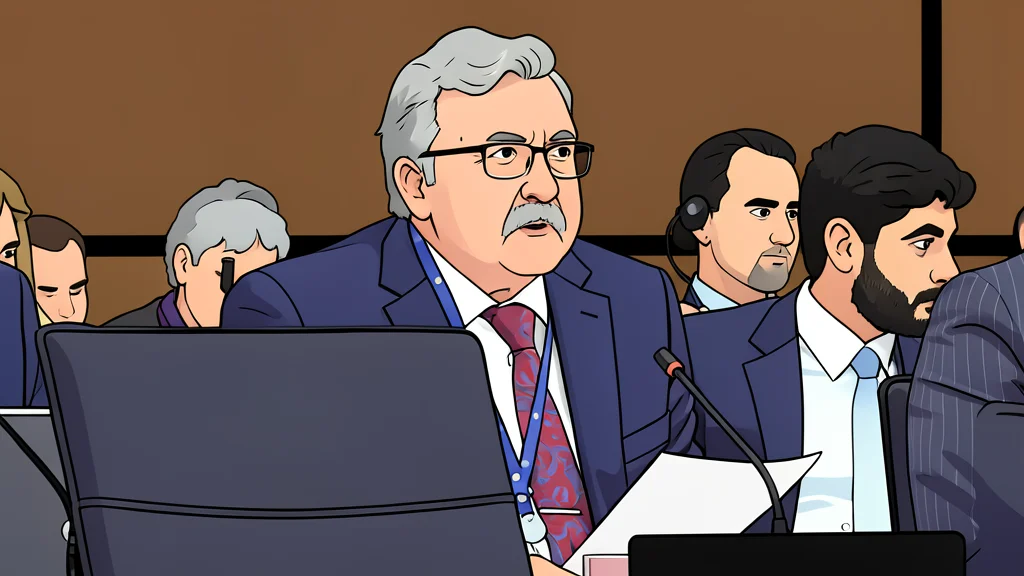
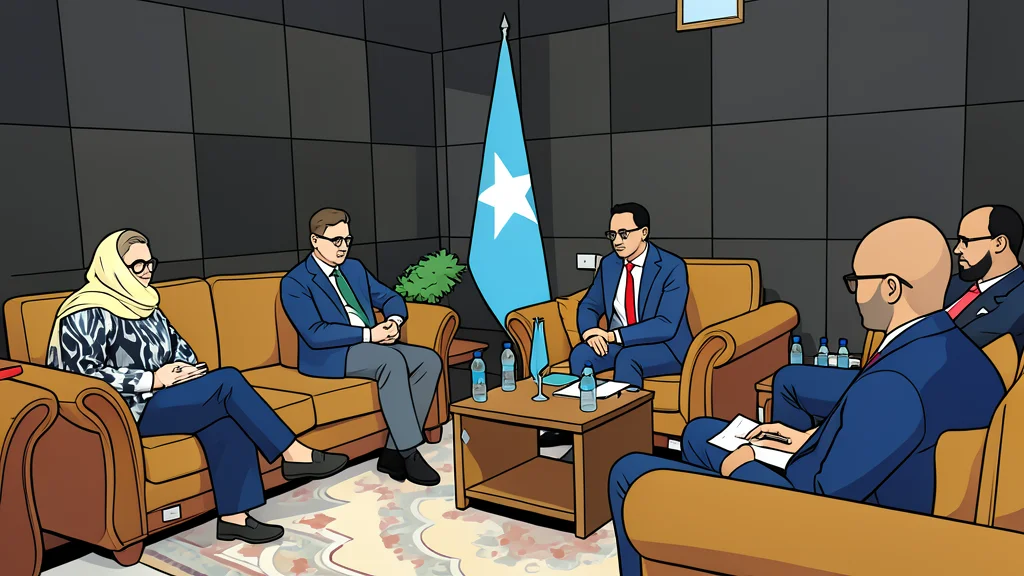
Danish Prime Minister Mette Frederiksen confirmed that the accord respects the sovereignty and territorial integrity of the Danish Kingdom, while Greenlandic leaders emphasized that the agreement recognizes the right to self-determination. The deal is expected to be formally signed next week at the United Nations General Assembly in New York, marking a de-escalation of tensions that had become one of the most serious strains on the North Atlantic Treaty Organization in decades.
Redefining Arctic Security Boundaries
According to Marc Jacobsen, an associate professor at the Royal Danish Defence College, the new pact appears to consolidate many rights Washington already holds under the 1951 agreement, which permits broad US military presence in Greenland. However, the arrangement introduces two distinct changes: it grants the US a veto over other nations establishing a military presence in the region, and it decouples the security relationship from the lifespan of NATO, making it a bilateral commitment rather than an alliance-linked obligation.
Trump indicated that the US will immediately begin expanding its military footprint on the island, including the development of new facilities at no cost to the United States. This follows a period of diplomatic friction where repeated US demands for acquisition had fueled distrust among European allies. The agreement effectively allows Washington to block adversaries from establishing bases or making sensitive investments in Greenland, a strategic concern in the context of rising Arctic competition.
Political Calculations Behind the Deal
Analysts suggest the agreement serves a dual political purpose. For Trump, it provides a visible victory by demonstrating that his pressure tactics yielded a formalized security role, even if the desired annexation did not occur. For Copenhagen and Nuuk, it brings an end to a two-year standoff that threatened to fracture transatlantic ties, preserving the integrity of the Danish realm while accommodating American strategic interests in the Arctic.
Unresolved Questions Remain
Despite the announcement, several critical details remain unclear. It is not yet known where new bases will be located, what specific capabilities they will host, or who will ultimately bear the financial burden of construction and maintenance. Furthermore, the tangible benefits for Greenland beyond the removal of the annexation threat have not been fully detailed, leaving observers to weigh the long-term implications of a permanent, bilateral security dependency.