WTI Slides to $93.50 as UN Talks Signal Middle East De-Escalation

Crude prices retreat on diplomatic breakthroughs, while Hormuz shipping volumes hit a six-month peak.
Key points
- WTI crude falls to $93.50 as hopes grow for US-Iran talks at the UN General Assembly.
- Strait of Hormuz oil and LNG shipments hit a six-month high, signaling stable regional flows.
- RBC economists state that higher fuel costs are squeezing business margins rather than driving broad inflation.
West Texas Intermediate crude oil extended its downward trend on Monday, slipping to approximately $93.50 per barrel during Asian trading hours. This marks the fourth consecutive day of losses for the benchmark, driven by a significant shift in market sentiment toward diplomatic resolution in the Middle East. According to FXStreet, the price drop reflects growing confidence that escalating tensions may be diffusing, thereby reducing the premium attached to potential supply disruptions.
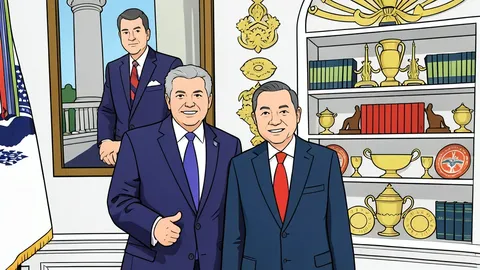
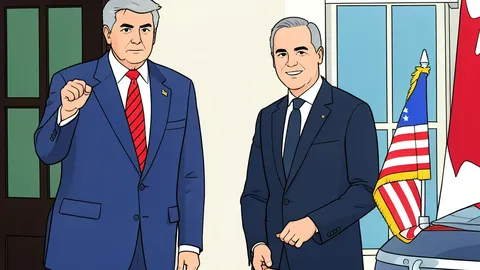
The catalyst for this easing was a statement from US President Donald Trump, who indicated he would "probably" be open to meeting Iranian President Masoud Pezeshkian on the sidelines of the United Nations General Assembly in New York. This potential direct engagement, alongside scheduled discussions with Gulf leaders and Chinese President Xi Jinping, has led analysts to lower their expectations for immediate geopolitical shocks to energy markets.
Diplomatic Momentum Eases Supply Premiums
Regional diplomatic efforts have reinforced this optimistic outlook. Qatari Prime Minister Sheikh Mohammed bin Abdulrahman Al-Thani called for greater cooperation among Gulf states to restore stability, noting that active communications are currently being exchanged between Washington and Tehran. These diplomatic signals have directly influenced market behavior, as traders move away from risk-averse positioning that had previously inflated crude prices due to fears of conflict.
Operational data supports the narrative of stabilizing energy flows. Admiral Brad Cooper, head of US Central Command, reported that shipments of oil and liquefied natural gas through the Strait of Hormuz have reached their highest level in six months over the past two weeks. This surge in pass-through volume suggests that physical logistics remain intact despite the recent political volatility, further anchoring prices lower.
Limited Inflation Pass-Through Observed
Despite the recent spike in energy costs, economic indicators suggest that broader inflationary pressures remain contained. Economists at the Royal Bank of Canada noted that evidence of pass-through to general consumer prices has been limited so far. They expect the impact to remain constrained in the coming months, as higher fuel costs are currently eroding profit margins across business supply chains rather than being fully absorbed by end consumers.
Market Watchpoints for Resolution
The coming week will be critical for determining the sustainability of this price correction. Market participants are closely monitoring the outcome of the UN General Assembly meetings, particularly whether the anticipated discussions between US and Iranian officials yield tangible agreements. Any failure to de-escalate could see the diplomatic premium return rapidly to crude benchmarks.
Additionally, upcoming inventory reports from the American Petroleum Institute and the Energy Information Agency will provide further context on supply dynamics. With OPEC+ production decisions also on the horizon, the interplay between geopolitical headlines and physical inventory data will dictate the next directional move for WTI crude.