Canada and ILO Launch Four-Year Plan to Combat Forced Labour in the Philippines
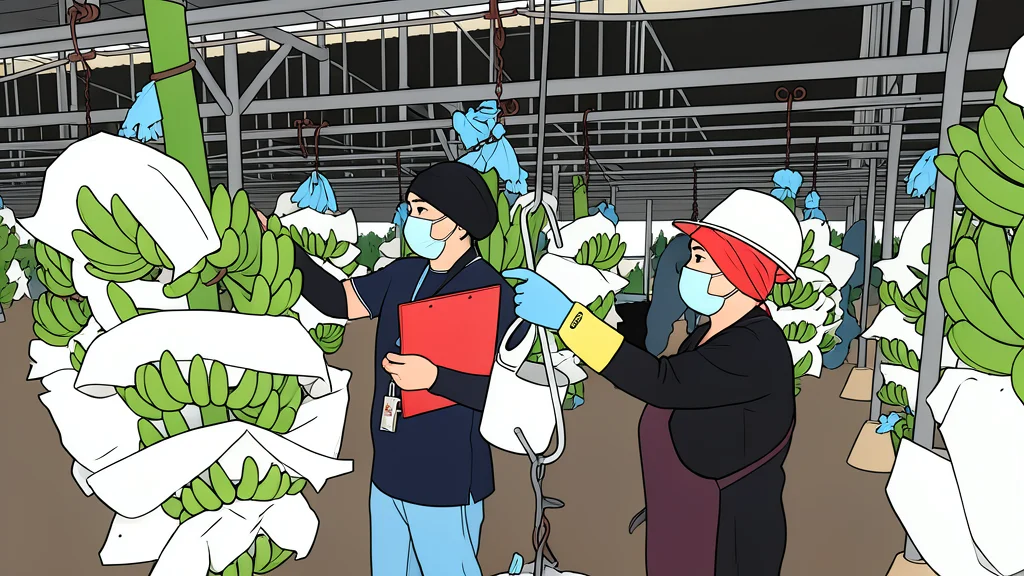
A new partnership aims to strengthen institutional responses and supply chain accountability in key Philippine industries.
The International Labour Organization and the Government of Canada have launched a joint initiative to address forced labour in the Philippines. The four-year project, known as PRIME PH, is designed to strengthen national institutions, refine policy frameworks, and improve access to justice for workers. According to the ILO, this effort responds to significant risks in tradeable sectors where informal employment and economic pressures can obscure exploitation.
The initiative runs until February 2030 and is supported by the Labour Program of Employment and Social Development Canada. It focuses on manufacturing and agriculture, industries that are central to the bilateral trade relationship between the two nations. Officials from both countries have emphasized that protecting worker rights is essential for maintaining fair competition and upholding international labour standards within global supply chains.
Institutional Strengthening Targets Hidden Exploitation
Forced labour often operates below the radar, making it difficult to measure its true scale or identify those in need of protection. Khalid Hassan, Director of the ILO Country Office for the Philippines, stated that eliminating this practice is fundamental to achieving social justice and human dignity. The new project aims to create responsive mechanisms that can detect and address these hidden violations more effectively.
The program will work closely with Philippine government bodies, as well as workers’ and employers’ organizations. By enhancing compliance with international standards, the initiative seeks to ensure that businesses operate responsibly. This approach is intended to provide better safeguards for workers while fostering an environment that supports decent work and social justice.
Trade Relations and Labour Standards
Canada has linked its economic partnership with the Philippines to the protection of workers' rights. Patty Hajdu, Canada’s Minister of Jobs and Families, noted that the initiative reflects a shared commitment to upholding international standards as the two countries explore a potential free trade agreement. She argued that keeping worker rights at the heart of economic partnerships creates lasting benefits for communities in both nations.
John Zerucelli, Canada’s Secretary of State for Labour, described forced labour as a serious human rights violation requiring a targeted response. He emphasized that the PRIME PH project will advance efforts to prevent exploitation in sectors critical to trade. The goal is to build fairer workplaces while ensuring that business conduct remains responsible across global supply chains.
Forward Focus on Sector Compliance
The focus on agriculture and manufacturing highlights the intersection of trade and human rights. As these sectors export goods to Canada and other markets, there is growing pressure to ensure responsible business conduct. Observers will likely watch how the new mechanisms translate into concrete changes in supply chain oversight and worker protection over the next few years.
According to GN geopolitics/rights (en-US), the success of this partnership will depend on its ability to address the specific vulnerabilities in the Philippine labour market. The project represents a significant step toward aligning economic growth with fundamental rights, setting a precedent for similar international collaborations in the region.