NHRC Inspects Sagar Liquor Tragedy Response

A National Human Rights Commission team visited Sagar to address delays in recording victim statements and ensure legal procedures are followed in the spurious liquor case.
A delegation from the National Human Rights Commission arrived in Sagar, Madhya Pradesh, to assess the aftermath of the spurious liquor tragedy that has claimed at least twenty lives. The team, led by member Priyank Kanoongo, focused on procedural compliance by the local police, specifically regarding the documentation of evidence and the rights of the deceased's families.
According to reports from the NHRC, significant delays were identified in the initial investigative steps. Relatives of the victims alleged that their formal statements had not been recorded days after the incident. In response, the commission directed authorities to immediately rectify these procedural gaps and ensure that all legal provisions governing such investigations are strictly adhered to.
Investigative Gaps Highlighted By Commission
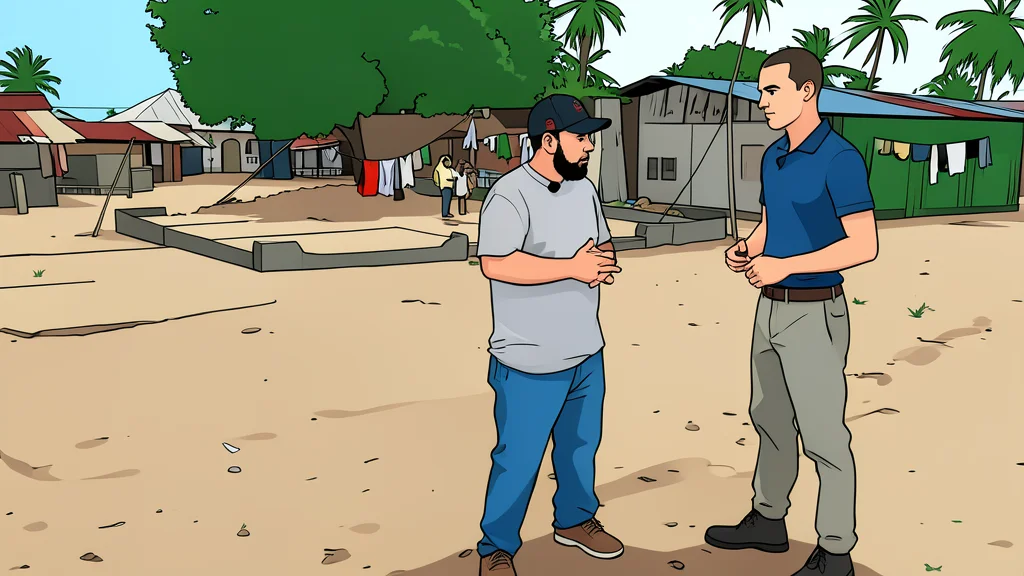
The NHRC team met with bereaved families in the villages of Jagthar and Ghugar to hear their grievances directly. Kanoongo noted that the relatives expressed frustration that local police had not only delayed their own statements but had also failed to record the testimonies of local liquor suppliers. This lack of immediate action was described by the commission member as a significant lapse in duty during a critical window of investigation.
To address these concerns, the commission issued specific directives to the Madhya Pradesh police. They were instructed to compile a comprehensive list of all liquor agents operating in the district and to take strict action against those involved in the distribution of contaminated alcohol. The goal, as stated by the delegation, is to hold all parties accountable for the supply chain failures that led to the tragedy.
Legal Proceedings And Arrests Progress
Law enforcement agencies have already made progress in apprehending suspects, with nineteen of the thirty accused individuals currently in custody. However, the investigation faces ongoing challenges as the primary accused, identified as Manish Lodhi alias Yashwant Rajput, remains at large. Meanwhile, several victims continue to receive treatment at Bundelkhand Medical College, with some suffering severe complications including loss of eyesight.
The source of the contaminated alcohol has raised further questions about regulatory oversight. According to the NHRC, the lethal liquor was reportedly sourced from government-permitted shops, a detail that Kanoongo described as surprising. This finding underscores the need for a broader review of licensing and quality control mechanisms within the state’s alcohol distribution network.
Compensation And Political Response
In the political sphere, Madhya Pradesh minister Govind Singh Rajput has engaged with the affected community by visiting the hospital and meeting with the families of the victims. He announced that compensation packages would be provided to the bereaved households, aiming to offer immediate relief to those facing financial and emotional distress.
As the NHRC continues its oversight, the focus remains on ensuring that the legal process is both swift and transparent. The situation in Sagar serves as a stark reminder of the dangers associated with unregulated alcohol production and the critical importance of timely police action. Observers will now watch closely to see if the directed changes in police procedure lead to a more robust investigation and if the absconding main accused is brought to justice.