Taliban Seeks Kyrgyz Backing at UN Security Council

The Taliban foreign minister is seeking diplomatic support from Kyrgyzstan to bolster their position at the United Nations, a move that highlights the growing isolation of the group as international pressure mounts over systemic human rights violations.
In a recent interview, Taliban foreign ministry spokesman Sharafuddin Muttaqi stated that the delegation aims to secure Kyrgyzstan’s support during the upcoming UN Security Council session. According to Muttaqi, the international community’s message regarding the closure of girls' schools has been received, but he argued that Afghanistan should not be judged exclusively through a Western lens. He maintained that while the ban on secondary education for girls is a significant issue, it does not define the entirety of life under Taliban rule.
The statement marks a distinct diplomatic strategy for the group, which has faced increasing isolation since returning to power five years ago. By seeking backing from neighboring Central Asian states, the Taliban appears to be attempting to fracture the unified international stance that has consistently linked diplomatic recognition to improvements in human rights. This approach contrasts with the positions of Western nations and the United Nations, which have maintained that the systematic exclusion of women from public life remains a critical barrier to engagement.
Diplomatic efforts amid isolation
The push for Kyrgyz support comes as the Taliban navigate a complex geopolitical landscape in Central Asia. According to reports from GN geopolitics/terror (en-US), the group is attempting to leverage regional dynamics to gain legitimacy. Muttaqi emphasized that not all restrictions on women are absolute, citing continued access to primary education and limited employment sectors. However, these claims sit in tension with the broader diplomatic consensus that the current administration’s policies constitute a fundamental departure from international norms regarding gender equality and civil liberties.
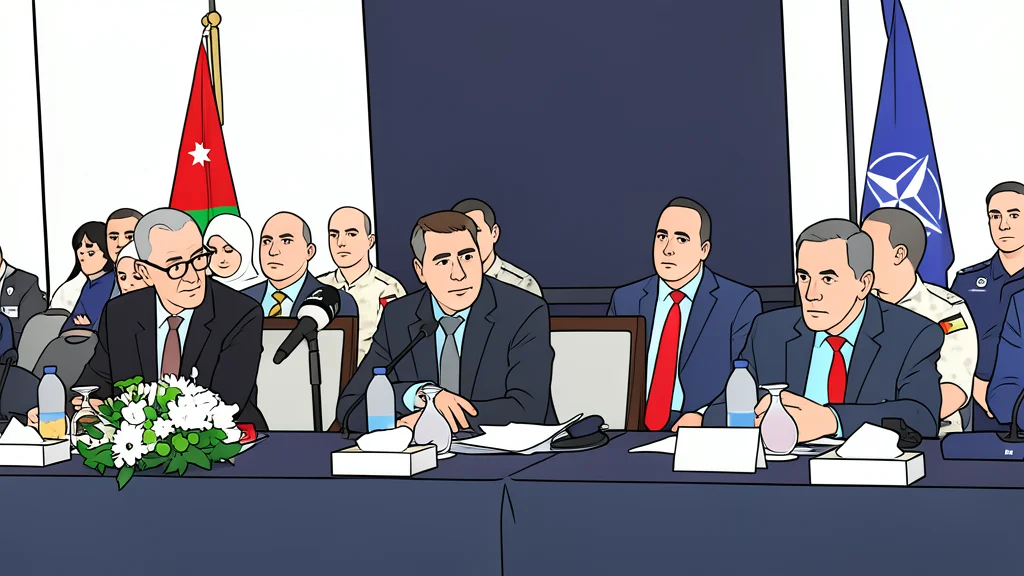
Kyrgyzstan, a member of the UN Security Council for the first time, finds itself at the center of this diplomatic maneuvering. Regional analysts suggest that while Central Asian nations share security concerns with the Taliban, they are also deeply wary of the humanitarian crisis spilling over into their own territories. The Taliban’s request for support is seen as an attempt to isolate the issue of women's rights from other potential security discussions, such as border control and counter-terrorism cooperation.
Systemic exclusion of women
Despite the Taliban’s assertions that restrictions are temporary or contextual, human rights organizations describe the situation as a structural dismantling of women’s rights. More than 2.5 million girls have been denied secondary and higher education, making Afghanistan the only country in the world where such a ban exists. Furthermore, women’s formal employment has dropped to less than ten percent, with widespread closures of businesses and restrictions on movement that require a male guardian for travel. These measures have severely curtailed financial independence and access to public spaces.
The impact extends beyond education and employment. Reports from the UN Human Rights Council detail a broader pattern of repression, including arbitrary arrests and the dissolution of independent oversight bodies like the Afghanistan Independent Human Rights Commission. Activists note that the absence of a transparent legal framework prevents victims from seeking justice, while protests are met with harsh crackdowns. This environment of fear and control has led international experts to characterize the current regime as imposing a form of gender apartheid that affects more than half the population.
International accountability mechanisms
The United Nations and various member states have reiterated that diplomatic recognition remains contingent on tangible improvements in human rights. UN special rapporteurs argue that the Taliban’s reliance on traditional and religious values to justify restrictions disregards Afghanistan’s international obligations. The international community continues to monitor the situation closely, with the upcoming Security Council session expected to be a focal point for debates on accountability and potential sanctions. The outcome of these discussions will likely determine the next phase of international engagement with the Afghan government.