India Completes Submarine Rescue Fleet with INS Nipun
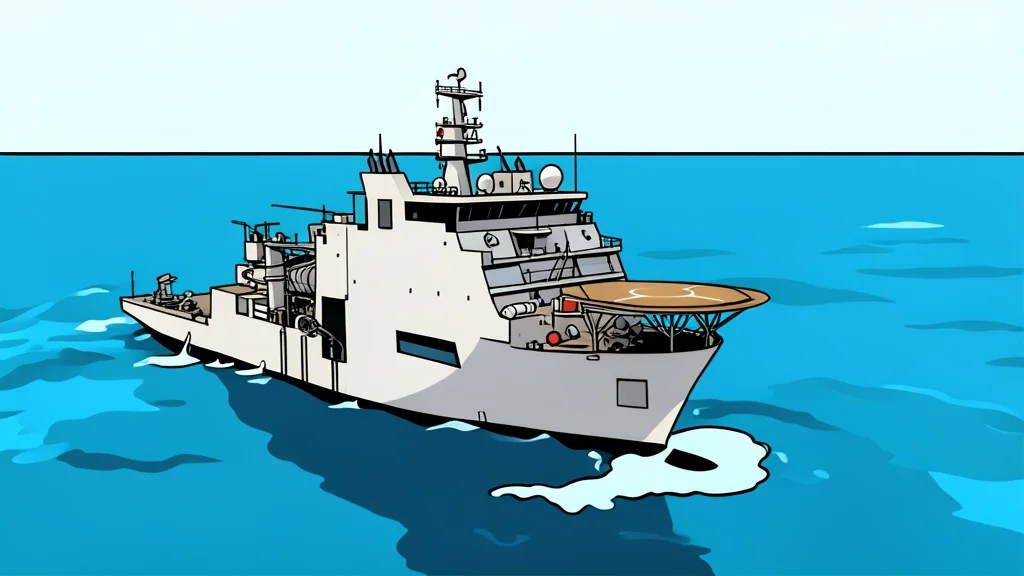
The commissioning of the second diving support vessel marks a pivotal moment in New Delhi's efforts to secure a critical operational niche in the Indo-Pacific maritime domain.
India has completed the induction of its second dedicated diving support vessel, INS Nipun, on August 31. According to reports from The Diplomat, this addition significantly augments the Indian Navy’s specialist capabilities in underwater intervention, salvage, and submarine rescue. The vessel serves as the mothership for the Deep Submergence Rescue Vehicles, closing a capability gap that has existed since the initial procurement of rescue assets.
The move is viewed as a strategic threshold for the region. By establishing a robust and self-sufficient rescue infrastructure, New Delhi aims to position itself as a preferred partner for allied navies. This shift reduces reliance on external assistance and enhances the operational readiness of the Indian Navy in deep-sea scenarios.
Closing the Operational Void
For several years, the Indian Navy relied on interim measures to support its rescue vehicles. INS Sabarmati acted as a temporary mothership, a solution that introduced delays in response times. In submarine emergencies, time is the most critical factor, and the lack of a dedicated platform created a significant operational vulnerability. The arrival of INS Nipun eliminates this dependency, providing a purpose-built environment for rapid deployment.
The first vessel, INS Nistar, was commissioned earlier in 2025. Together, these two ships form the backbone of the new rescue architecture. They were constructed by Hindustan Shipyard Limited under a contract signed in 2018. This domestic production capacity underscores a broader trend toward indigenous naval infrastructure, reducing logistical dependence on foreign suppliers for critical lifecycle support.
Technical Specifications and Depth
Each vessel displaces 10,000 tons and measures over 118 meters in length. They are designed for 60 days of endurance at sea, equipped with dynamic positioning systems and specialized diving complexes. The fleet carries a 15-ton subsea crane, remotely operated vehicles, and side-scan sonar systems. These tools allow for sustained operations at depths up to 300 meters, while the attached rescue vehicles can reach depths of 650 meters.
The rescue vehicles themselves are capable of locating submarines at depths of up to 1,000 meters using sonar and ROVs. Once located, the Submarine Rescue Vehicle can mate with the distressed hull to evacuate trapped personnel or deliver emergency supplies. This modular approach allows for flexible response options, ranging from inspection to full-scale personnel recovery.
Regional Strategic Implications
Navy Chief Admiral Krishna Swaminathan stated that the new capability enables India to support partner navies in distress. This diplomatic dimension is as significant as the technical one. By offering reliable rescue services, New Delhi strengthens its security partnerships in the Indo-Pacific. The ability to act as a regional hub for underwater emergency response adds a new layer to India's maritime security architecture.
The next phase of development will likely focus on integrating these assets into broader regional exercises. Observers will watch how the Navy utilizes this new fleet in joint drills and whether additional countries seek to formalize rescue agreements with India. The transition from interim support to a permanent, high-capacity system marks a maturation of India's naval specialization.