China Concludes Extended Geological Survey at Scarborough Shoal
Beijing has officially confirmed the conclusion of a month-long scientific mission at Scarborough Shoal, a development that reinforces the persistent friction over maritime sovereignty in the South China Sea.
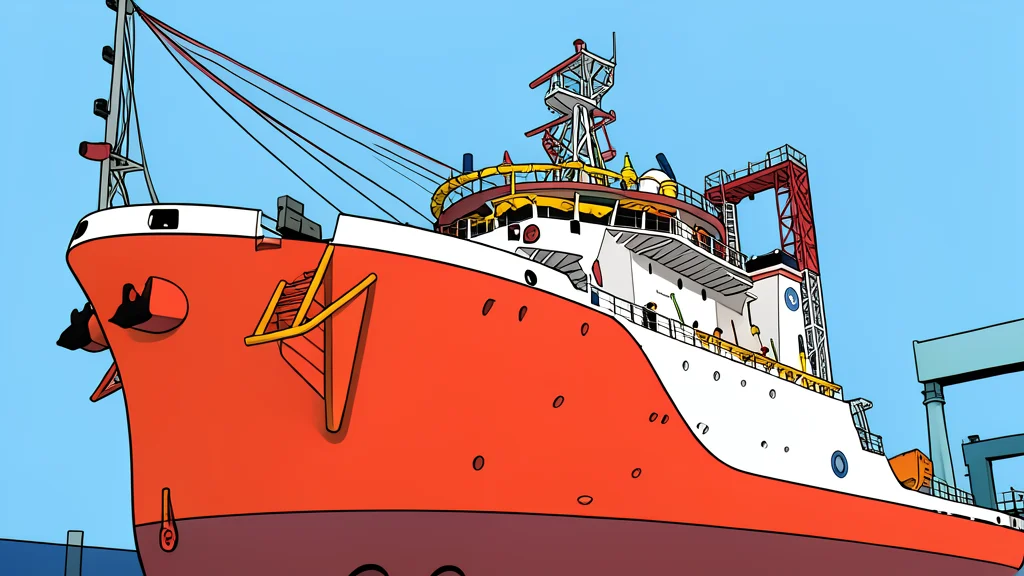
China’s Ministry of Natural Resources confirmed on Wednesday that a state research vessel completed a month-long geological survey in the waters surrounding Scarborough Shoal. The vessel, identified as the Haiyang Dizhi Shihao or Marine Geology No 10, operated in the area from August 11 to September 8. According to the ministry, the primary objective was to achieve a comprehensive understanding of the basic geological features and the ecological environment of the waters, which Beijing asserts are under its jurisdiction.
The survey marks a significant continuation of Chinese scientific activity in a region that remains a persistent flashpoint for diplomatic friction between Beijing and Manila. While framed as a routine scientific expedition, the timing and scope of the mission have drawn attention from regional observers. The data and samples collected during this period are intended to support broader research into the seabed and marine environment, providing what officials describe as a scientific basis for the comprehensive management of the area.
Scientific Data Serves Strategic Purposes
The Chinese government has long linked scientific research with broader maritime governance strategies. In this instance, the ministry stated that the findings would inform policies regarding the environmental stewardship of the shoal's surrounding waters. This approach aligns with a wider pattern in the South China Sea where nations utilize scientific data to underpin their administrative control and legal arguments. By establishing a detailed baseline of the region's geology and ecology, Beijing is reinforcing its narrative of responsible stewardship over a contested zone.
Such missions often occur amidst heightened sensitivities in the region, where overlapping claims complicate diplomatic relations. The presence of research vessels, even those without explicit military equipment, is frequently interpreted by neighboring states as a demonstration of sovereign intent. For Manila, these operations highlight the challenges of maintaining access to its claimed exclusive economic zones while navigating the broader geopolitical landscape dominated by Beijing’s assertive maritime posture.
Regional Dynamics Remain Tense
Scarborough Shoal has historically been a site of direct confrontation, with incidents involving coast guard vessels and military assets from both China and the Philippines. The current activity by the research ship adds another layer to the complex interplay of legal, diplomatic, and security considerations in the South China Sea. According to reports from the GN auto geopolitics/asia-pacific desk, such scientific endeavors are increasingly viewed as integral components of state strategy, bridging the gap between soft power scientific cooperation and hard power territorial assertion.
The international community continues to monitor these developments with close attention, recognizing that scientific activities can have profound implications for regional stability. The completion of this specific mission does not resolve the underlying disputes but rather provides new material for ongoing diplomatic and legal debates. As both nations continue to assert their respective rights and responsibilities in the area, the potential for inadvertent escalation remains a significant concern for regional peace and security.
Future Interactions Under Watch
Looking ahead, the focus will likely shift to how these scientific findings are utilized in future diplomatic engagements and legal proceedings. Observers will be watching for any new announcements from Beijing regarding the management of the shoal or further scientific missions in the region. Simultaneously, Manila’s response, both diplomatic and operational, will be critical in determining the trajectory of bilateral relations. The next few months may see increased activity as both sides prepare for potential negotiations or, conversely, further unilateral actions to solidify their positions in the disputed waters.
Official confirmation highlights territorial dispute
The Chinese government has formally acknowledged the completion of the extended geological survey, validating reports that the research vessel operated in the vicinity of the disputed shoal for approximately one month. This official recognition serves to solidify the narrative surrounding the mission's scope and duration.
By confirming the activity, Beijing underscores the ongoing tension inherent in the competing maritime claims held by China and the Philippines. The mission is viewed by regional observers as a strategic move that reinforces Beijing's stance on its jurisdictional rights in the area, further complicating diplomatic efforts to de-escalate tensions in the South China Sea.