UN Security Council Prepares for Afghanistan Review
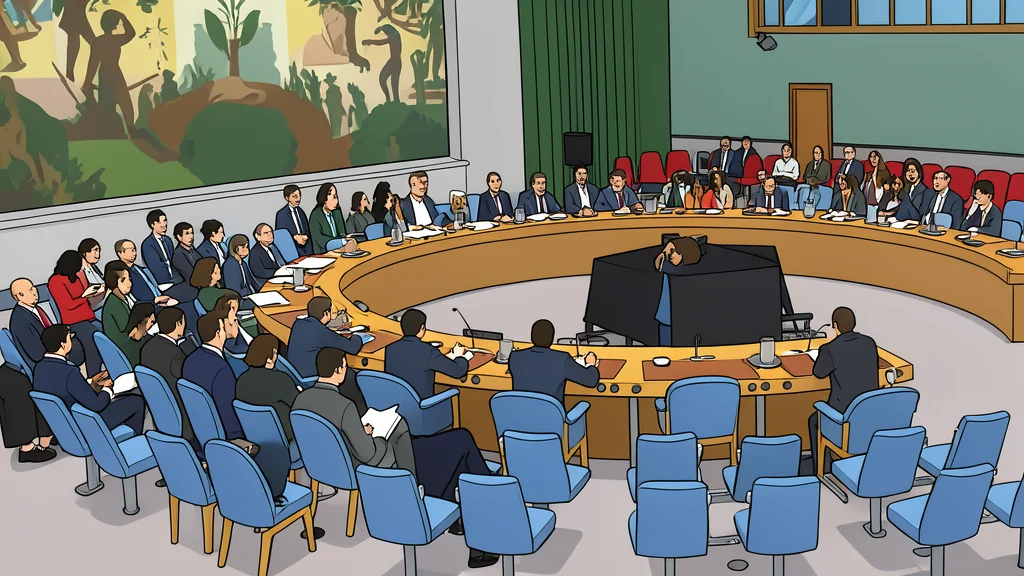
Diplomats in New York are preparing for a significant session to assess the humanitarian and security landscape in Afghanistan, highlighting deep divisions among member states.
The United Nations Security Council is scheduled to convene on Wednesday to review the evolving situation in Afghanistan. According to GN geopolitics/un, Georgette Gagnon, the acting head of the UN Assistance Mission in Afghanistan, is expected to brief council members on recent developments. The session, set to begin in the evening Kabul time, follows closed-door consultations where members will align their positions before the public discussion.
The agenda for the meeting places a strong emphasis on the human rights crisis, particularly regarding the rights of women. UN experts have documented widespread discrimination and repression, leading to expectations that council members will urge the lifting of restrictions on female education and employment. Additionally, the lack of progress toward an inclusive political process remains a central concern for the international community.
Diplomatic Divisions Over Engagement
While there is broad consensus on the need for a stable Afghanistan free from terrorism, significant differences remain regarding how to engage with the current authorities. The United States has prioritized countering terrorist threats and securing the release of detained American citizens. In contrast, China and Russia have advocated for continued engagement, emphasizing economic assistance without human rights conditions and calling for the release of frozen central bank assets.
These differing approaches create a complex diplomatic environment where members must balance security concerns with humanitarian imperatives. The debate over lifting travel restrictions on officials and the scope of economic support is expected to be a focal point of the discussions, reflecting the broader geopolitical tensions within the council.
Regional Security Tensions
Beyond internal governance, the council is expected to address the activities of terrorist groups and the persistent border tensions between Afghanistan and Pakistan. These cross-border security issues pose challenges for regional stability and require coordinated international responses. The situation underscores the interconnected nature of security in the region, where instability in one area can have ripple effects across neighboring countries.
Forward-Looking Diplomatic Watchpoints
As the council prepares for this review, observers are watching closely for any shifts in the diplomatic tone or potential commitments to specific actions. The outcome of these discussions will likely influence future international aid and engagement strategies. The coming weeks will be critical in determining whether the council can find common ground on a path toward stability and improved human rights conditions in Afghanistan.