China Eyes Eastern Nepal Border Points After Flood Damage
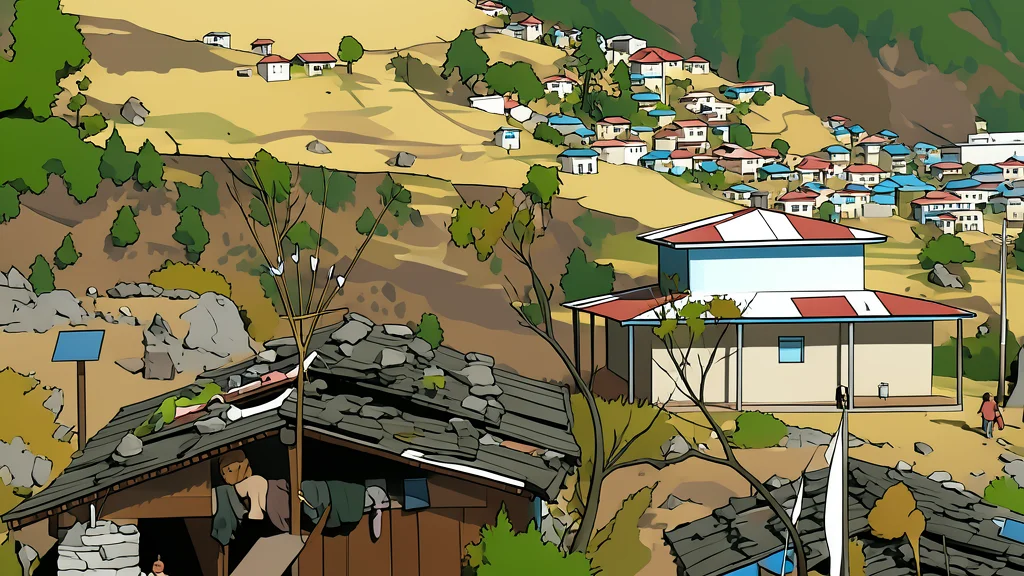
Following severe weather damage to the Rasuwagadhi crossing, Chinese officials have signaled a strategic pivot toward developing infrastructure at the Kimathanka and Olangchung Gola border points to diversify trade routes.
Chinese authorities have expressed growing interest in developing two key border crossings in eastern Nepal, signaling a potential shift in bilateral trade infrastructure. This interest follows extensive damage to the Rasuwagadhi-Kerung passage, which was severely impacted by recent floods and landslides. According to recent reports, a joint team of senior Chinese and Nepali officials has conducted field inspections to assess the viability of alternative routes.
The proposed focus is on the Kimathanka-Chentang and Olangchung Gola-Riwu points. Laxmi Prasad Niraula, the Nepali Consul General in Lhasa, stated that these discussions aim to create more organized and effective border connections. This move could allow Nepal to diversify its northern trade corridors, reducing reliance on the currently compromised Rasuwagadhi route and opening new opportunities for the eastern hilly districts.
Infrastructure Priorities at Kimathanka
At the Kimathanka crossing in Sankhuwasabha, the primary obstacle remains the Khandbari-Kimathanka road, which requires significant upgrades to ensure year-round reliability. Local officials and residents have emphasized the need for robust bridges, road safety structures, and administrative facilities. Niraula noted that the Chinese side has indicated a willingness to cooperate in constructing an integrated check post and upgrading road infrastructure to facilitate regular vehicle movement.
Unlike high-altitude Himalayan passes, the Kimathanka area features relatively accessible terrain, making it a practical candidate for rapid development. If the necessary infrastructure is completed, this border point could significantly expand trade volumes. The development is seen as a way to bypass the logistical challenges associated with higher, more remote crossings that are often prone to seasonal disruptions.
Regional Trade and Connectivity Impacts
Local stakeholders believe that upgrading these eastern border points will benefit districts in Koshi Province, including Sankhuwasabha, Bhojpur, and Khotang. Mithun Bhote, a social worker, suggested that improved connectivity could also facilitate tri-lateral trade between India and China via the Koshi Highway. However, he urged the Nepali government to expedite formal procedures to capitalize on the current diplomatic momentum and Chinese commitment to support.
While the Chinese side appears eager to invest in these connections, local residents have raised concerns about the pace of development. Some have complained that infrastructure expansion on the Chinese side of the border is outpacing that in Nepal, creating a disparity in readiness for cross-border commerce. Balancing this development with domestic infrastructure projects remains a critical challenge for Nepali policymakers.
Next Steps in Border Cooperation
The immediate next steps involve detailed technical assessments and the formulation of concrete proposals for road and bridge construction. According to the source GN auto geopolitics/asia-pacific: India China border, the focus is on turning these preliminary discussions into actionable plans. Observers will be watching for official announcements regarding funding mechanisms and the timeline for the upgrade of the Kimathanka crossing.
Ultimately, the success of this initiative will depend on Nepal's ability to coordinate effectively with Chinese partners while addressing local infrastructure gaps. The development of these eastern border points represents a strategic opportunity to enhance regional economic integration and reduce vulnerability to natural disasters affecting other trade routes.