NATO Allies Expand Defense Spending Amid Rising Tensions
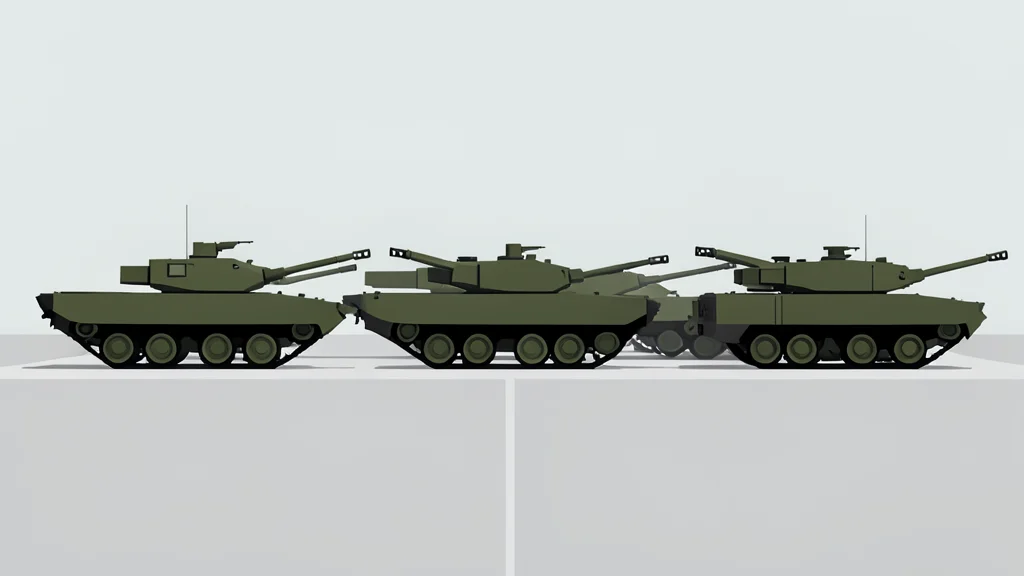
European NATO members are accelerating military modernization and infrastructure investment, driven by war in Ukraine and pressure to reduce reliance on the United States.
European members of the North Atlantic Treaty Organization have intensified preparations for a potential confrontation with Russia, according to recent defense assessments. The shift marks a significant escalation in military spending and infrastructure development, moving beyond traditional troop strength toward broader security resilience. According to GN geopolitics/nato, this strategic pivot is influenced by both the ongoing war in Ukraine and sustained pressure from Washington to assume greater responsibility for continental defense.
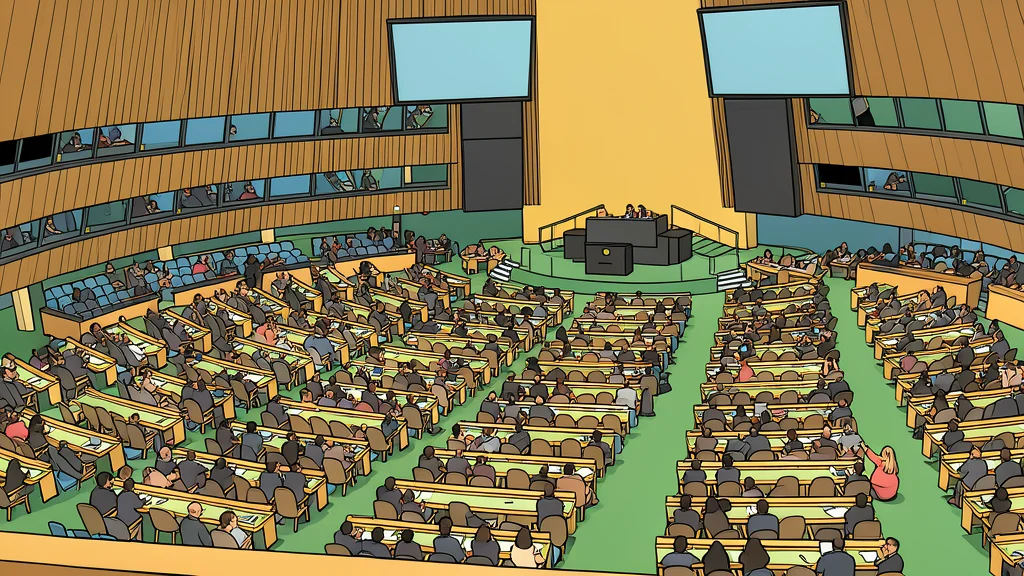
Defense ministers from the alliance’s 32 member states convened in Copenhagen to finalize plans that prioritize both kinetic capabilities and critical infrastructure. The agenda reflects a dual-track approach: increasing direct military expenditure while simultaneously hardening civilian systems against crisis scenarios. This coordinated effort aims to close specific gaps in air defense, drone technology, and long-range strike capabilities identified during recent conflict operations.
Raising the Budget Threshold
The alliance has set a target for member states to allocate five percent of their gross domestic product to defense and security by 2035. This figure represents a substantial increase from previous benchmarks, with 3.5 percent designated specifically for military operations and weaponry. The remaining 1.5 percent is earmarked for supporting infrastructure, including transportation networks, communication systems, and cybersecurity measures essential for sustained conflict.
This financial commitment signals a long-term strategic shift rather than a temporary response to immediate threats. Officials indicated that the additional funding will accelerate the procurement of advanced weapons systems and expand training programs for active military personnel. The focus on infrastructure highlights a recognition that modern warfare requires robust logistical and digital backbones to maintain operational effectiveness.
National Preparations Across Europe
Individual nations are implementing distinct measures to bolster their readiness. Germany is preparing to reactivate medical bunkers constructed in the late 1970s, intending to use them for trauma care in the event of a major attack. Norway is concurrently expanding hospital capacity to treat wounded soldiers and civilians, with plans to make thousands of additional beds available for wartime medical needs.
Other members are focusing on manpower and domestic production. Poland aims to train a large cohort of personnel annually starting in 2027, while the United Kingdom plans to construct new facilities for ammunition and explosives manufacturing. Lithuania is expanding compulsory military service, and Sweden has advised citizens to maintain emergency supplies, reflecting a broader societal shift toward preparedness.
Arms Trade Dynamics Shift
The surge in defense spending has significantly altered the European arms trade landscape. Data indicates that imports of major conventional weapons by European NATO countries rose sharply between 2021 and 2025 compared to the previous five-year period. The United States remains the primary supplier, accounting for the majority of these imports, though efforts to diversify sources and increase domestic production are gaining momentum.
This trend underscores a growing desire for strategic autonomy among European allies. While reliance on American hardware remains high, the emphasis on local manufacturing and multi-national cooperation suggests a long-term goal of reducing external dependencies. The coming years will likely see a complex interplay of procurement decisions, industrial policy adjustments, and diplomatic negotiations as the alliance balances immediate needs with long-term sustainability.