Finland Receives First F-35s, Reshaping Northern Air Balance
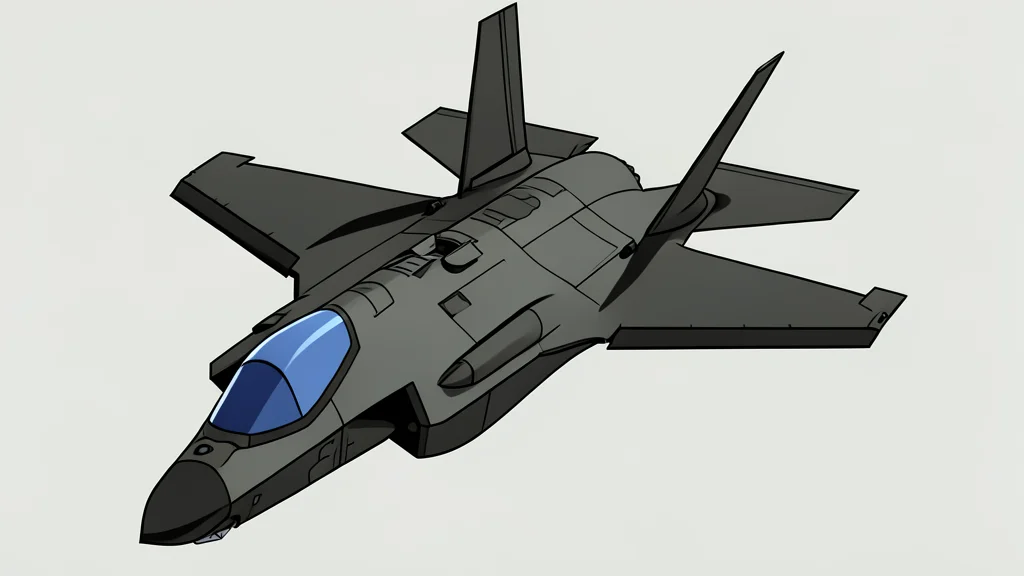
The arrival of Finland’s first fifth-generation fighters marks a pivotal shift in the military landscape of Northern Europe, as the nation completes a long-awaited modernization of its air force.
The Finnish Air Force has accepted the delivery of its first F-35A fifth-generation stealth fighters, a development that signals a significant upgrade in combat aviation capabilities. This milestone follows the country’s decision in 2021 to select the Lockheed Martin aircraft over European competitors, initiating a phased replacement of its aging F-18 Hornet fleet. The move is widely viewed as a strategic reinforcement of NATO’s northeastern flank, where Finland shares a substantial portion of the alliance’s land border with Russia.
According to GN geopolitics/nato, this procurement represents more than a simple equipment swap; it introduces a qualitative leap in air superiority for the region. The F-35’s advanced stealth and sensor fusion capabilities are designed to penetrate dense air defense networks, a capability that directly challenges the defensive strategies employed by Moscow. As the new jets integrate into Finnish operations, the balance of air power in the Baltic and Nordic regions is expected to undergo a fundamental recalibration.
Strategic Weight of New Capabilities
Military analysts note that the introduction of the F-35 places significant pressure on Russian defense systems, which have historically relied on layered air defense to compensate for limitations in their own combat aviation. The stealth characteristics of the new Finnish aircraft allow them to operate with a lower probability of detection, effectively countering the integrated air defense systems that Russia deploys along its borders. This technological gap is particularly pronounced given that Russia’s own fifth-generation Su-57 fleet remains limited in number and operational scope.
Nuclear Sharing Speculation Grows
Beyond conventional air superiority, the acquisition has sparked debate regarding nuclear deterrence. The Finnish Defence Ministry has reportedly submitted a proposal to parliament allowing for the storage of nuclear weapons on its soil, a step that would facilitate a nuclear sharing agreement with the United States. The F-35 is uniquely suited for such a role, capable of carrying B61 nuclear bombs in its internal weapons bays. This configuration ensures the aircraft’s stealth profile is maintained while providing a credible penetration capability for deep strike missions.
Regional Dynamics and Future Watch
As Finland integrates these 64 new aircraft over the coming years, the focus will shift to how these capabilities are exercised in joint NATO maneuvers. Observers will watch closely for any changes in Russian military posture along the shared border, as well as the potential for expanded cooperation between Helsinki and Washington. The ultimate impact of this delivery will depend not just on the hardware, but on the broader political and strategic frameworks that emerge in response.