China Reduces Troop Presence Along India's Northern Frontier
New Delhi officials report a significant shift in border dynamics following recent diplomatic engagements and military repositioning along the Line of Actual Control.
New Delhi, September 14: The Ministry of Defence has reported a marked decrease in the presence of Chinese military forces along India’s northern borders. This shift follows India’s strategic reinforcement of its own positions, marking a notable change in the military posture along the Line of Actual Control.
According to the Ministry’s annual report for 2025-26, the reduction in People’s Liberation Army deployments occurred after India moved ten brigade-sized formations to key areas. These moves were intended to secure traditional training zones and strengthen the defensive posture in sensitive sectors.
Strategic Rebalancing of Forces
The report details that the reduction in Chinese troop levels was a direct response to India’s own military adjustments. Indian forces deployed ten combined arms brigades, each comprising approximately 3,000 personnel equipped with infantry, armor, artillery, and air defense units. These self-sustaining formations are designed to operate independently and respond to various battlefield contingencies.
Defence Ministry officials stated that the Indian Army’s deployment across all sectors is now robust and well-poised. They emphasized that the forces are prepared to handle any emerging contingencies, suggesting that the current balance of power has been stabilized through these reciprocal adjustments in force levels.
Renewed Diplomatic Channels
Parallel to the military changes, diplomatic mechanisms between New Delhi and Beijing have seen renewed activity. The report highlights the resumption of the Working Mechanism for Consultation and Coordination, with meetings held in March and July of this year. Additionally, talks between Special Representatives on the boundary question were conducted in late 2024 and again in August 2025.
High-level military dialogue also progressed, culminating in the 23rd Corps Commander Level Meet in eastern Ladakh. According to the Ministry, these engagements have maintained a cordial environment, with Border Personnel Meetings continuing in all sectors to resolve operational concerns between the two armies.
Context of Recent Summits
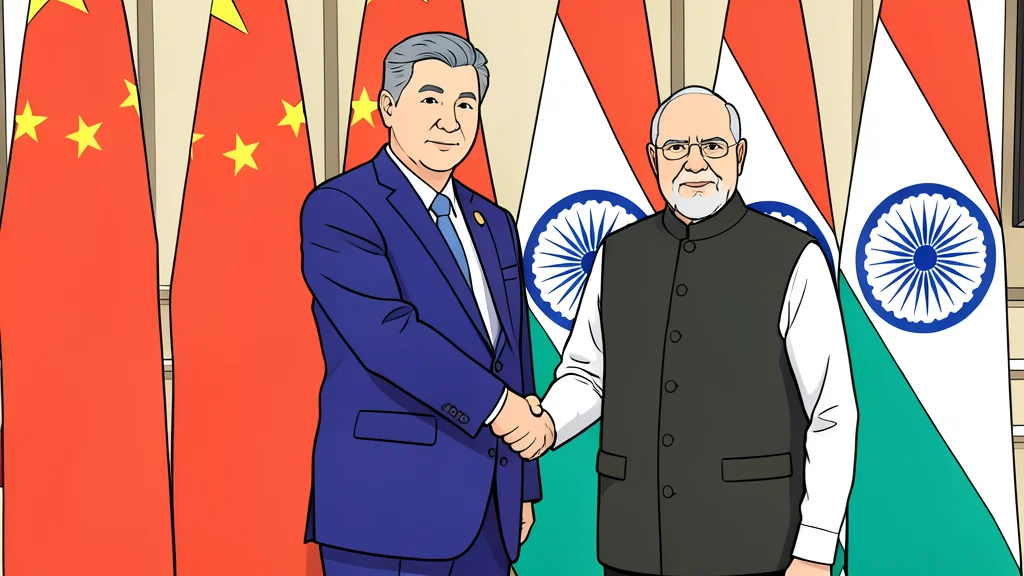
This official assessment arrives just days after the 18th BRICS Summit in New Delhi, which included participation from Chinese President Xi Jinping. The release of the report by the GN auto geopolitics/asia-pacific: India China border desk underscores the timing of these disclosures, linking high-level diplomatic presence with the underlying military adjustments reported by the Indian government.
As both nations navigate their border relationship, the focus now shifts to whether these reductions will hold and how they influence broader strategic competition in the region. Observers will watch for further signals in upcoming bilateral meetings and the sustainability of the current de-escalation trend along the high-altitude frontier.