China's Defence Chief Advocates for Shared Security at Xiangshan Forum
Chinese Defence Minister Dong Jun opened the 13th Beijing Xiangshan Forum by urging nations to reject hegemony and embrace inclusive security governance, setting a diplomatic tone ahead of high-level US-China talks.
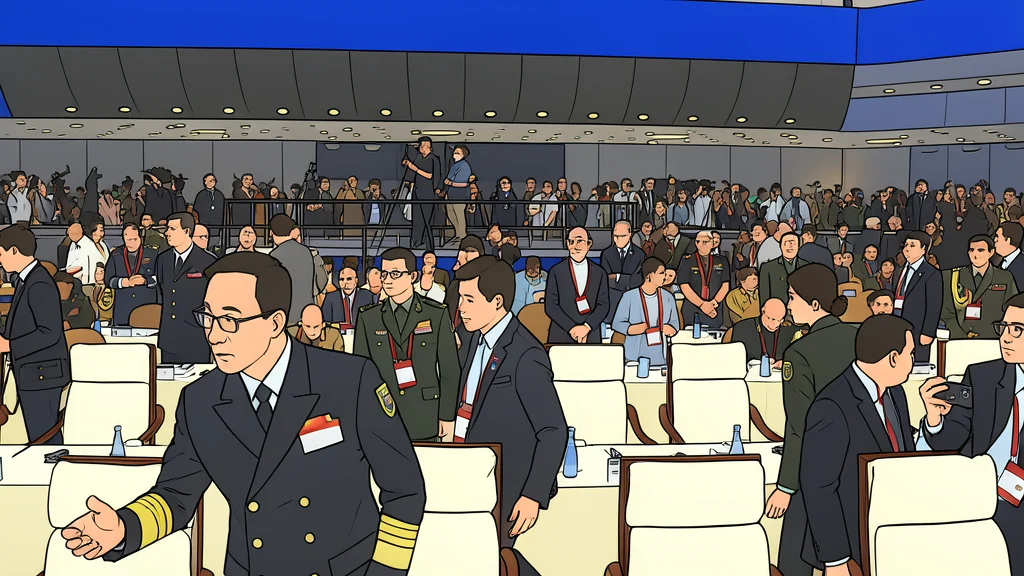
Chinese Defence Minister Dong Jun opened the 13th Beijing Xiangshan Forum on Wednesday by urging the international community to cease provocative acts and reject the resurgence of regressive historical trends. According to Al Jazeera English, his address emphasized the need for a more inclusive approach to resolving international tensions, while carefully avoiding direct accusations against specific nations. The speech, delivered to a room filled with military officers, diplomats, and scholars, framed China’s current diplomatic posture as one of defensive vigilance against what Beijing perceives as latent manifestations of hegemony and militarism.
The timing of the forum is significant, occurring amid heightened regional tensions over Taiwan and the South China Sea, and just one week before Chinese President Xi Jinping is expected to travel to Washington to meet with US President Donald Trump. Dong’s remarks served as a strategic curtain-raiser for this high-stakes diplomatic window. By pitching a vision of shared security governance and deeper military cooperation with neighboring countries, Beijing appears to be seeking to consolidate its regional relationships and present a unified front of the Global South before engaging in direct negotiations with its primary strategic competitor.
Strategic Diplomacy and Regional Alliances
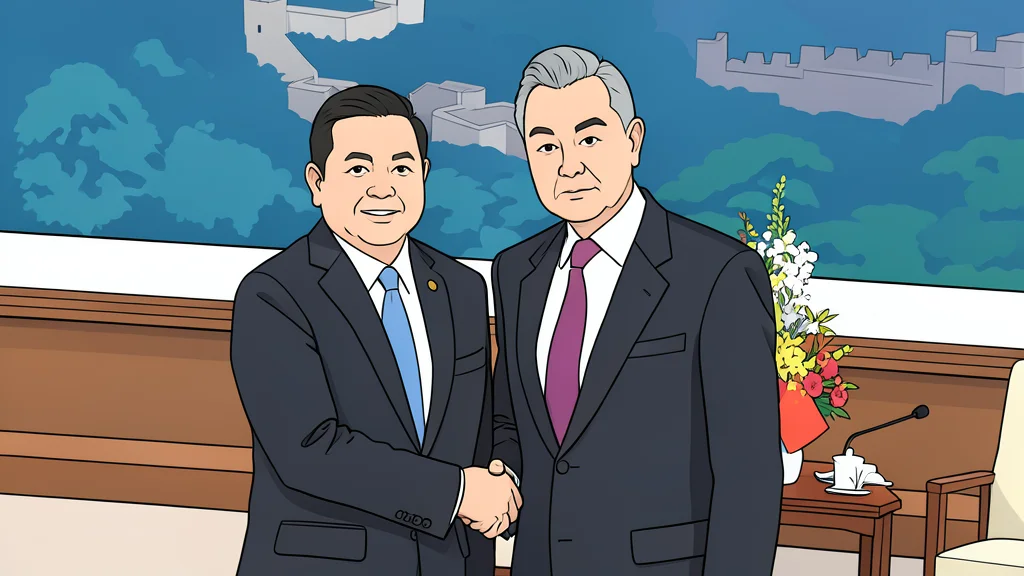
In the days leading up to the main address, Dong engaged in separate sit-downs with defence officials from Myanmar, Brunei, Belarus, Azerbaijan, Kyrgyzstan, and Armenia, as well as the ASEAN Secretary-General. These bilateral meetings were designed to reinforce a narrative of mutual security interests and cooperation. Over the past two decades, Beijing has cultivated the Xiangshan Forum into a tightly scripted platform for military diplomacy, positioning it as a structured alternative to other major defense dialogues in the region. This platform allows China to champion a multipolar world order and advocate for a greater voice for emerging economies without the immediate pressure of multilateral confrontation.
Analysts note that this approach allows Beijing to maintain diplomatic flexibility. By focusing on broad principles of justice and historical lessons, Dong’s speech avoided the friction that often accompanies direct criticism of Western allies. This restraint is widely interpreted as a deliberate effort to keep channels of communication open, particularly with Southeast Asian nations whose security concerns are increasingly complex. The forum thus serves not only as a showcase for Chinese military thought but also as a critical tool for shaping the regional security architecture in Beijing’s favor.
Avoiding Direct Confrontation with Washington
Notably, Dong did not make direct criticisms of the United States or its regional allies, including Japan, despite recent diplomatic frictions. Ties between Beijing and Tokyo have strained significantly following statements by Japanese Prime Minister Sanae Takaichi, who suggested that a hypothetical Chinese attack on Taiwan could trigger a Japanese military response. Beijing has repeatedly warned that such rhetoric reflects a dangerous return to aggressive historical postures. However, at the forum, the official rhetoric remained focused on general principles of non-interference and mutual respect, rather than naming specific adversaries.
This diplomatic restraint stands in contrast to earlier comments made by Chinese scholars attending the event. Wu Shicun, chairman of the Huayang Center for Maritime Cooperation and Ocean Governance, warned that Japan’s growing involvement in the South China Sea could undermine regional peace more than US actions in the long term. He argued that Tokyo views the waterway as a strategic springboard for controlling sea lanes, which could negatively impact dispute resolution and maritime cooperation. While such views represent a segment of Chinese academic and military discourse, the official government line maintained a calmer, more institutional tone during the formal proceedings.
Forward Looking Diplomatic Outlook
As the forum concludes, attention turns to the upcoming summit between Xi and Trump. The language used in Beijing’s opening remarks provides context for the expectations surrounding that meeting. By emphasizing shared security and warning against coercion, China is signaling its desire for stable, predictable relations while firmly defending its core interests. The next few days will likely reveal how much of this diplomatic groundwork translates into concrete agreements or, conversely, how deep the underlying strategic divergences remain. Observers will be watching closely for any shifts in tone or policy as the highest-level leaders engage.
The broader geopolitical landscape remains fluid, with regional powers carefully balancing their relationships with both Beijing and Washington. The Xiangshan Forum has once again demonstrated its role as a barometer for Chinese foreign policy priorities. As tensions in the Indo-Pacific persist, the ability of nations to engage in constructive dialogue without succumbing to zero-sum dynamics will be tested. The coming weeks are expected to offer further clarity on whether the rhetoric of cooperation can withstand the pressures of strategic competition.