IAEA Report Cites Expanding North Korean Nuclear Capabilities
New findings indicate significant growth in uranium enrichment infrastructure and mining activities, raising fresh concerns about the durability of international non-proliferation norms.
A recent assessment by the International Atomic Energy Agency describes the trajectory of North Korea's nuclear program as deeply troubling. The report highlights a sustained expansion of uranium enrichment capabilities, marking a significant deviation from previous diplomatic expectations and United Nations Security Council resolutions.
According to the agency, these developments represent a clear violation of international obligations. The findings suggest that rather than winding down its nuclear activities, the state has continued to build out its infrastructure, prompting serious concern among international observers and policymakers.
Infrastructure Expansion Across Key Sites
The IAEA report details specific technical advancements observed since 2021. Inspectors noted extensions to existing facilities at Yongbyon and Kangson, alongside the construction of an additional enrichment plant at Yongbyon. These physical changes indicate a deliberate effort to increase the volume and speed of nuclear material production.
Activity has also intensified at the Pyongsan Uranium Mine and Concentrate Plant, where expanded mining and milling operations were identified. The agency noted ongoing work at the Wolbisan Uranium Mine as well, suggesting a broadening of the fuel cycle rather than a focus on a single component of the weapons program.
Diplomatic Stalemate and Lack of Access
These findings arrive in a context of prolonged diplomatic isolation. IAEA inspectors have not been present in the country since 2009, leaving the agency to rely on satellite imagery and other indirect methods for verification. This gap in direct oversight complicates the international community's ability to confirm the full scope of the program.
In September 2025, the state declared its status as a nuclear weapons state to be irreversible. It further asserted that the IAEA lacks the legal authority to interfere in the internal affairs of a sovereign nuclear power. This stance effectively rejects the verification mechanisms that underpin the current non-proliferation framework.
Regional Security Implications and Responses
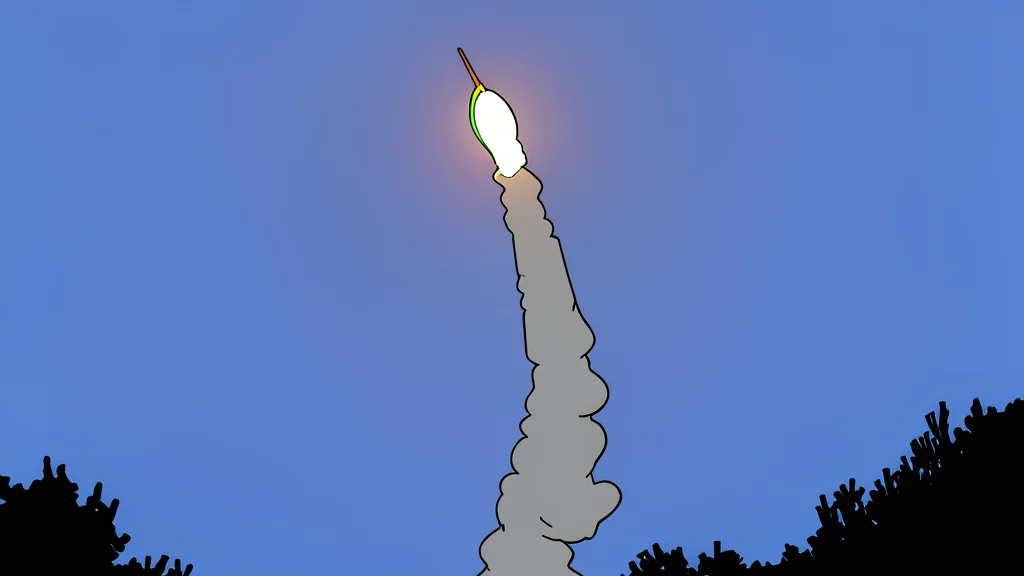
The nuclear build-up is accompanied by a robust missile testing campaign. The Council on Foreign Relations notes that the launch of the Hwasong-18, a solid-fuel intercontinental ballistic missile, represents a significant strategic shift. Such systems are harder to detect and launch quickly, complicating the feasibility of preemptive strikes by regional adversaries.
In response, the United States has maintained economic sanctions and deployed the Terminal High Altitude Area Defense system in South Korea. As reported in GN geopolitics/nuclear (en-US), these measures aim to bolster defense capabilities and pressure the regime. However, the continued expansion of nuclear infrastructure suggests that diplomatic and military deterrence strategies are facing unprecedented challenges in ensuring long-term regional stability.