Japan Presumes Loss of High-Altitude Surveillance Drone
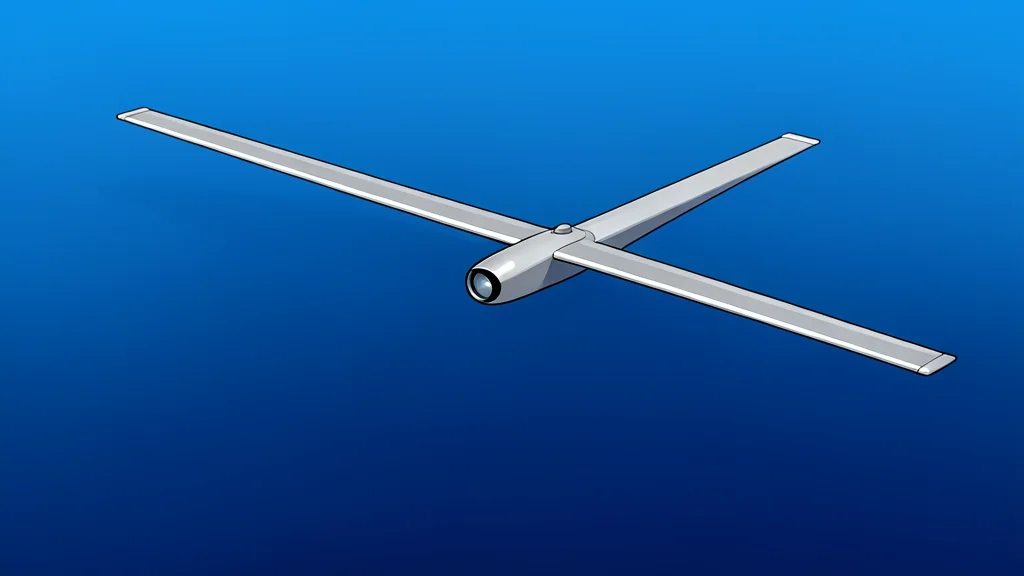
A Japan Air Self-Defense Force RQ-4B Global Hawk is presumed to have crashed into the Sea of Japan, raising concerns over the loss of one-third of the nation's small fleet of high-endurance unmanned aerial vehicles.
A Japan Air Self-Defense Force (JASDF) RQ-4B Global Hawk is presumed to have crashed into the Sea of Japan on September 15 after losing communication and disappearing from radar tracks. The incident marks the first loss of this type of high-altitude, unmanned surveillance aircraft in the service of the Japanese military, according to official statements from the Air Staff Office.
The aircraft, assigned to the 502nd Squadron at Misawa Air Base, took off in the morning before encountering equipment issues shortly before 1 p.m. Local time. Its radar signature vanished over waters approximately 50 kilometers north of Tottori Prefecture, prompting an immediate and extensive search operation involving multiple branches of the Self-Defense Forces.
Search Operations and Debris Recovery
According to The Diplomat, the search effort mobilized a diverse array of assets, including F-15J fighters, a U-125A search-and-rescue plane, a UH-60J helicopter, and a KC-46A tanker. The Japan Maritime Self-Defense Force contributed the frigate Agano and the missile boat Hayabusa to the joint effort. By early afternoon, the Japan Coast Guard had located floating debris, which was subsequently photographed and identified by JASDF personnel as likely originating from the missing drone.
Despite the deployment of these resources, the cause of the incident remains under investigation. Officials have noted that no damage to civilian infrastructure or other Self-Defense Force assets has been reported so far. The discovery of the wreckage has shifted the focus from search and recovery to determining the mechanical or technical failures that led to the loss.
Strategic Implications for Surveillance Capabilities
The loss of the aircraft carries significant strategic weight for Tokyo, as the JASDF currently operates only three RQ-4B Global Hawks in total. General Morita Takehiro, the JASDF Chief of Staff, confirmed that this is the first time one of these platforms has been lost. The reduction in fleet size threatens the continuity of Japan’s persistent wide-area surveillance operations, which rely on the aircraft’s ability to remain airborne for up to 36 hours at altitudes exceeding 60,000 feet.
Retired Lieutenant General Araki Junichi suggested that a simple communication failure would not typically result in a crash, as the aircraft is programmed to return to base in such scenarios. He implied that an engine or other mechanical fault may have been the underlying cause, a theory that aligns with the sudden loss of the radar track. The financial impact is also considerable, with each unit costing approximately 17.3 billion yen, making the loss a significant financial and operational blow.
Operational Burden and Future Outlook
With one-third of the fleet now presumed lost, operational units face increased pressure to maintain coverage over key maritime and land domains. Other aircraft may need to be tasked with compensating for the reduced availability of the Global Hawk, potentially straining existing resources. As the investigation progresses, the focus will remain on understanding the technical failure and assessing how the gap in surveillance capability will be addressed in the near term.