NATO Advances Integrated Air Defense Strategy Amid Escalating Tensions
Senior U.S. Air Force leadership is accelerating the implementation of new defensive frameworks to counter low-cost aerial threats across Europe, marking a significant shift in alliance posture.
The Commander of U.S. Air Forces in Europe and Allied Air Command has disclosed that he has been tasked with fully enacting new NATO air defense protocols. These measures are designed to counter the increasing frequency of cruise missile and drone incursions into allied airspace, a trend that has intensified over the past year. The directive, issued by NATO’s Supreme Allied Commander Europe, aims to transition the alliance from a reactive posture to a more integrated and efficient defensive capability.
According to GN geopolitics/nato, these developments follow a recent incident where NATO forces shot down a drone that entered Lithuanian airspace. While individual states have traditionally managed such low-level threats, alliance leaders now view these events as part of a broader pattern of testing by Russian forces. The new approach seeks to establish a unified command and control structure that allows for rapid detection and interception before threats can penetrate deeper into member states' territories.
Shifting From Air Power To Ground Assets
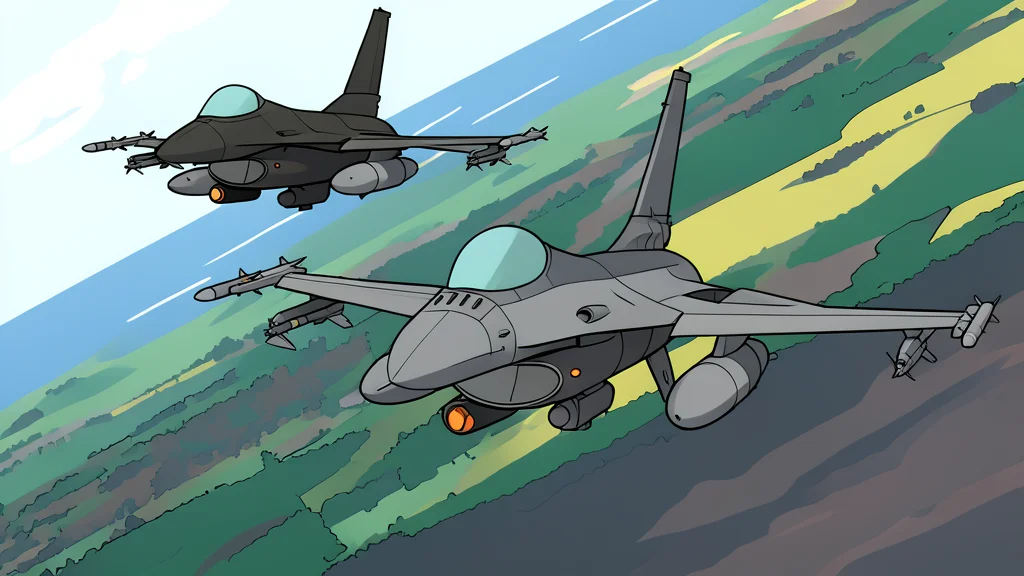
General Jason T. Hinds noted that while using fighter jets to intercept drones is effective, it is not cost-efficient. He described the current reliance on air power as placing the alliance on the wrong side of the cost curve, particularly when engaging inexpensive one-way attack drones. The new Standing Defense Plan 12000, introduced earlier this year, focuses on integrated air and missile defense that prioritizes lower-cost interceptors. These include ground-based systems and specialized air assets designed specifically for counter-drone operations, rather than relying on expensive tactical aircraft for every engagement.
The objective is to create a layered defense network that can sense, track, and neutralize threats with precision. Hinds emphasized the need for robust command and control systems that can process data from multiple sources to make rapid decisions. By shifting to ground-based and specialized air-based interceptors, NATO aims to maintain a high level of readiness while managing the economic burden of prolonged defensive operations. This strategic adjustment reflects a broader recognition that the nature of aerial threats has evolved significantly in recent months.
Context Of Broader Hybrid Aggression
The implementation of these plans occurs against a backdrop of what European officials describe as a series of hybrid or gray zone actions. Recent incidents, including an attempted drone attack on a German airport and a cruise missile entering Polish airspace, have heightened security concerns across the continent. European Commission President Ursula von der Leyen characterized the Lithuanian incident as part of a broader pattern of aggression intended to test European resolve. These events have prompted NATO to accelerate the deployment of additional assets, including surveillance aircraft, frigates, and air defense systems, to bolster its deterrence posture.
While the specific intent behind individual drone incursions remains unclear to military leadership, the cumulative effect has led to a reevaluation of defensive priorities. NATO officials acknowledge that these actions may be probing exercises designed to map response times and defensive gaps. In response, the alliance is working to improve coordination among member states, ensuring that capabilities are shared and managed through a centralized framework. This move toward integration is seen as essential for maintaining credible deterrence in an environment of persistent, low-level threats.
Forward Focus On Detection And Response
Looking ahead, the focus of NATO’s air defense strategy remains on early detection and efficient response. General Hinds stressed the importance of identifying threats well before they enter NATO territory, allowing for a calculated and proportionate response. The goal is to establish a seamless operational flow where sensing, decision-making, and interception are tightly coupled. This requires not only advanced technology but also robust communication links between national forces and alliance command structures.
As the alliance continues to refine these capabilities, the next phase will likely involve further integration of national air defense systems into the broader NATO framework. Observers will be watching for signs of increased deployment of ground-based interceptors and enhanced surveillance capabilities along the eastern flank. The effectiveness of this new posture will be tested by the frequency and nature of future aerial incursions, serving as a critical indicator of the alliance’s readiness to defend its collective airspace.