Korea and US Discuss Defense Posture and Hormuz Deployment
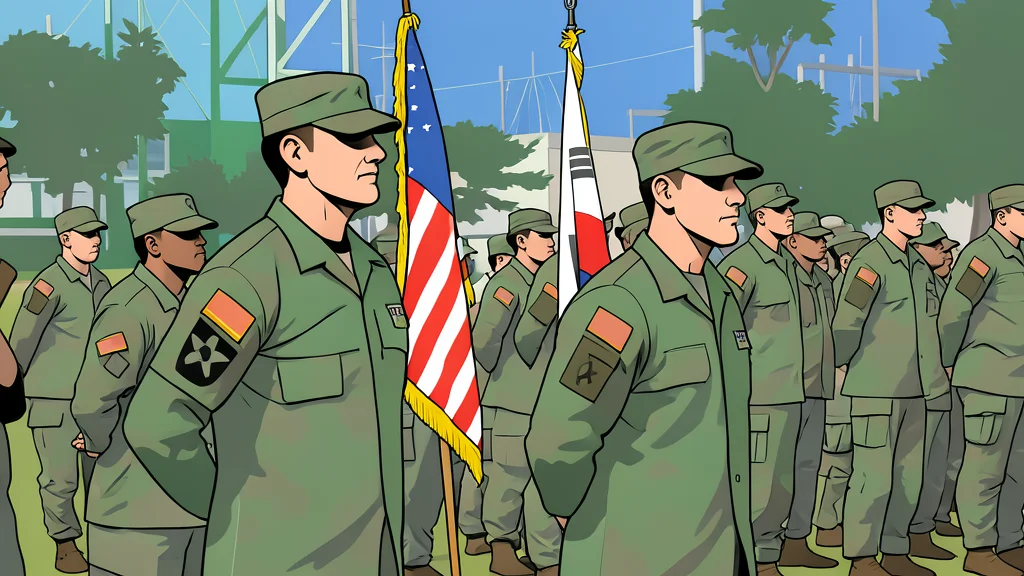
Senior defense officials from Seoul and Washington are set to convene in Busan to address strategic command issues and potential military commitments to the Gulf region.
South Korea and the United States are preparing to hold their semi-annual Integrated Defense Dialogue in Busan, a meeting that carries significant weight given the current geopolitical tensions in the Middle East. According to the South Korean defense ministry, the talks will be led by Deputy Defense Minister Kim Hong-cheol and U.S. Deputy Assistant Secretary for East Asia George Lemeur. The gathering is scheduled to take place from Wednesday to Friday, marking a notable shift from previous venues in Seoul or Washington, a choice officials say reflects a shared commitment to deepening industrial cooperation in shipbuilding.
The timing of these discussions coincides with Seoul’s ongoing assessment of a potential military deployment to the Strait of Hormuz. While the South Korean government maintains that no final decision has been made, the dispatch of a security assessment team to the United Arab Emirates last week has fueled speculation regarding an active role in securing this critical waterway. This consideration comes amid pressure from Washington to bolster efforts to protect maritime routes, a move that has drawn sharp warnings from Tehran regarding potential consequences.
Strategic Command and Regional Posture
Beyond the immediate Gulf issue, the dialogue will focus on the long-standing debate over wartime operational control, or OPCON. Seoul is actively seeking to regain full authority over its combined forces from Washington, with President Lee Jae Myung aiming to complete the second phase of capability verification before his term concludes in 2030. The defense ministry indicated that the allies hope to announce a target year for this transition during upcoming meetings between defense chiefs this fall, signaling a significant step toward South Korea’s strategic autonomy.
The broader context of these talks includes a comprehensive review of the joint defense posture and future industrial partnerships. By selecting Busan, a major port city, as the venue for the first time since the dialogue began in 2011, the defense ministry intends to highlight the allies’ resolve to expand cooperation in shipbuilding. This industrial synergy is viewed as a crucial component of maintaining a robust defense infrastructure in the region.
Diplomatic Signals and Industrial Focus
The decision to host the KIDD session in Busan rather than the traditional capitals is seen as a deliberate diplomatic signal. According to reports from GN auto geopolitics/asia-pacific: Korea Strait, the venue selection underscores the importance of the shipbuilding sector to the alliance. As global demand for naval capabilities rises, both nations are looking to leverage their respective industrial strengths to create a more resilient defense supply chain.
This second session of the year follows a May meeting in Washington, establishing a rhythm of high-level engagement that reflects the complexity of current security challenges. The dialogue covers a wide range of pending security issues, ensuring that both sides remain aligned on their strategic objectives. The inclusion of foreign affairs officials alongside defense leaders suggests a holistic approach to addressing the multifaceted nature of regional instability.
Assessing Hormuz Security Risks
The potential deployment to the Strait of Hormuz remains a sensitive topic, with Iran explicitly warning against any military dispatch to the area. The South Korean government has stressed that it is carefully weighing the risks and benefits, noting that the recent mission to the UAE was strictly for assessment purposes. This cautious approach highlights the delicate balance Seoul seeks to strike between supporting its ally and avoiding direct escalation with a hostile power.
As the talks proceed, observers will be watching for any concrete announcements regarding the scope of South Korea’s involvement in Gulf security. The outcome of these discussions will likely influence regional dynamics, particularly as the U.S. continues to press for broader international cooperation in securing energy routes. The next few days will provide clarity on whether Seoul moves from assessment to action in this volatile maritime corridor.