Lee Jae-Myung Approval Hits 37 Percent as Support Erodes
The South Korean president attributes his falling support to personal shortcomings, but analysts point to policy gaps and communication issues.
Key points
- Lee Jae-myung's approval rating fell to 37 percent, the lowest since he took office in June 2025.
- Support eroded as the political contrast with former President Yoon Suk-yeol faded over time.
- Housing policy and personnel appointments were the top cited reasons for voter disapproval.
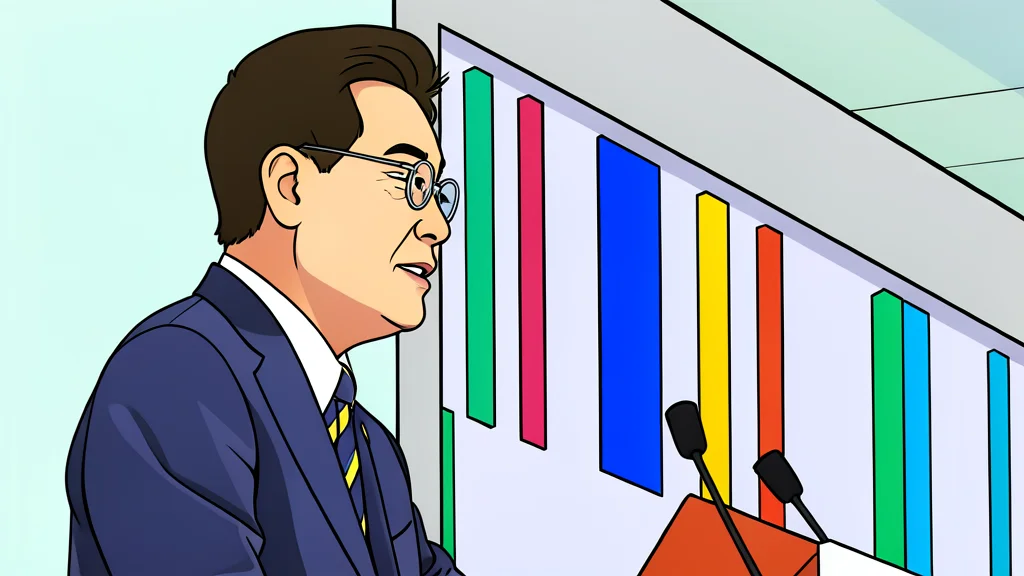
South Korean President Lee Jae-myung has faced a significant decline in public support, with his approval rating dropping to 37 percent in a recent Gallup Korea poll. This figure marks the lowest level of support for the president since he assumed office in June 2025, signaling a notable shift in voter sentiment.
During a press conference at the Blue House on September 18, Lee acknowledged the drop in popularity. He stated that while the decline was initially puzzling, he concluded that it stemmed from his own shortcomings. The president admitted to feeling flustered by the political disappointments following the local elections earlier this year.
Fading contrast with predecessor
One factor contributing to the decline is the diminishing impact of his predecessor’s downfall. Lee initially benefited from a strong contrast with Yoon Suk-yeol, who was impeached and later sentenced to life in prison for declaring martial law. However, according to The Diplomat, that contrast has weakened over time. More than 21 months have passed since the declaration, and many voters have shifted their focus from punishing the former administration to addressing daily life issues.
The legal proceedings against Yoon and his wife, who had her sentence increased on appeal, continue to move through the courts. Yet, the immediate political energy generated by these events has faded. Voters appear less interested in retrospective justice and more concerned with present-day economic and social stability, a shift that has not been fully captured by the current administration.
Policy gaps and leadership style
Critics point to a disconnect between Lee’s past image as a hands-on executive and his current approach as a delegator. Lee has stated that he lacks the time to micromanage all aspects of governance, preferring to hold his staff accountable for results. However, this strategy has led to public concern over specific financial products, including leveraged exchange-traded funds that have caused losses for retail investors.
The rollout of these funds occurred just before the local elections, and regulators tightened rules only after losses mounted. The resignation of the Presidential Policy Chief without a clear explanation further fueled speculation about internal confusion. Meanwhile, housing policy remains the most cited reason for disapproval, with many voters feeling that the administration has failed to provide concrete solutions to rising costs in various regions.
Communication challenges ahead
The loss of the Seoul mayoral race in the June local elections has also complicated the administration’s narrative. Despite winning a majority of other mayoral and gubernatorial positions, the defeat in the capital was described by Lee as not a success. This result has provided critics with a platform to question the ruling party’s effectiveness in managing major metropolitan issues.
As scrutiny intensifies in the second year of his term, the pressure on Lee to articulate a clear and compelling vision for housing and economic management grows. The forward question for the administration is how it will bridge the gap between its delegation model and the public’s demand for tangible, visible progress on key economic concerns.