Tajikistan Parliament Moves to Exit International Criminal Court
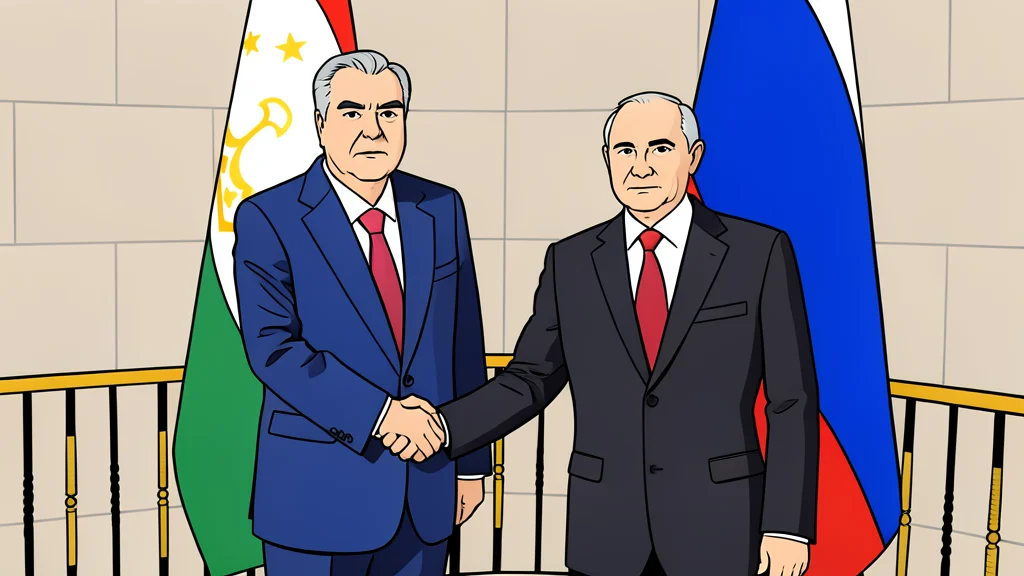
Tajikistan's lower house has approved a draft resolution to withdraw from the ICC, following a formal rebuke for refusing to arrest Vladimir Putin.
Key points
- Tajikistan's parliament approved a draft resolution to withdraw from the ICC on September 16.
- The move follows a formal rebuke by the ICC for refusing to arrest Russian President Vladimir Putin.
- Tajikistan is the only Central Asian country that has ever ratified the Rome Statute.
On September 16, the lower house of the Tajik parliament convened for an extraordinary session to consider a draft resolution regarding the country's withdrawal from the International Criminal Court. According to the parliamentary press service, the body took the necessary decisions, although the report did not specify the sponsor of the measure or the detailed rationale behind the move.
The decision marks a significant shift for Dushanbe, which has been the only Central Asian nation to ratify the Rome Statute. The move follows a period of heightened tension with the Hague after Tajikistan refused to execute an arrest warrant for Russian President Vladimir Putin, a stance that led to a formal non-compliance finding by the ICC's Pre-Trial Chamber.
Regional Isolation and Historical Context
Tajikistan’s membership in the court was a distinct outlier in the region. The country signed the Rome Statute in 1998 and ratified it in 2000, with the treaty entering into force in July 2002. This commitment came shortly after the end of a civil war that claimed tens of thousands of lives, positioning the nation as a unique participant in the international justice framework among its neighbors.
The legal process for withdrawal is now underway, though the domestic procedural steps required by Tajik law have not been fully publicized. Internationally, Article 127 of the Rome Statute mandates that the U.N. secretary general receive written notification, with the exit taking effect one year later. As of now, the U.N. treaty database still lists Tajikistan as a state party, indicating the final administrative steps are yet to be completed.
Geopolitical Pressures and Russian Ties
The primary catalyst for this reconsideration appears to be the deepening strategic alignment with Moscow. In October 2025, Dushanbe hosted President Putin for regional summits despite the active ICC arrest warrant issued in 2023. Tajik officials cited head-of-state immunity and security commitments to justify their non-compliance, arguments which the ICC subsequently rejected.
According to The Diplomat, the economic and military dependencies on Russia make such a confrontation untenable for Dushanbe. Russia maintains a major military base in Tajikistan under a long-term agreement, and remittances from workers in Russia account for nearly half of the country's GDP. These structural ties suggest that maintaining the ICC relationship, which complicates relations with Moscow, is no longer a viable political option for the leadership.
Domestic Legal Implications and Risks
Beyond the Russia factor, there are internal legal pressures. In April 2025, a coalition of organizations filed a communication with the ICC detailing allegations of human rights violations committed between 2002 and 2024. While the Office of the Prosecutor has not opened an investigation, the filing targets senior officials, including the current president.
However, experts note that withdrawal does not erase jurisdiction over crimes committed while the country was a member. The move may primarily serve to limit exposure for future conduct. With succession from father to son widely rumored, the leadership may be seeking to insulate the future political landscape from international legal reach, even if the immediate costs of leaving the court appear low compared to other recent withdrawals.