Sri Lanka Delays Constitutional Reform to Focus on Economy
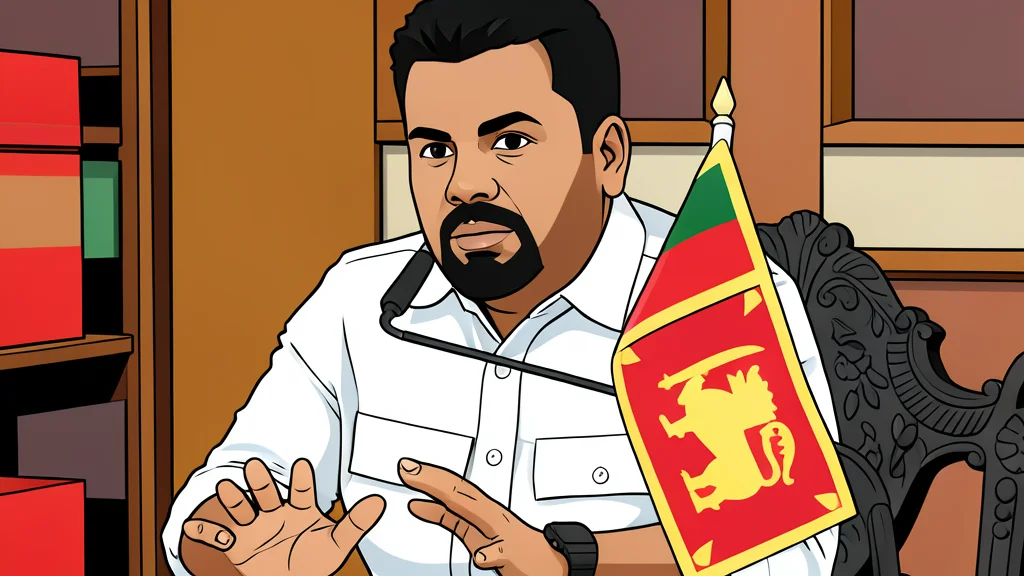
The NPP government prioritizes economic stability and anti-corruption efforts over abolishing the executive presidency.
Key points
- The NPP government is prioritizing economic recovery and anti-corruption efforts over abolishing the executive presidency.
- Sri Lanka remains vulnerable to external shocks due to its reliance on imported energy and fertilizer.
- The administration cites the failure of previous governments to deliver on promises as a reason for its cautious approach.
Civil society groups in Sri Lanka are increasingly questioning why the National People’s Power (NPP) government has not yet initiated the process to abolish the executive presidency. This delay has sparked debate about whether the administration is retreating from the core mandate that brought President Anura Kumara Dissanayake to power two years ago.
According to The Diplomat, the NPP is deliberately sequencing its reform agenda, prioritizing tangible economic recovery and accountability measures before tackling the complex task of constitutional change. This strategy reflects a calculated approach to building the broad public support necessary for such a significant shift in the country's political structure.
Economic Stability Over Structural Change
The NPP’s campaign was rooted in a promise to break away from the political establishment blamed for the 2022 economic collapse and debt default. While the abolition of the executive presidency was a long-standing goal of the Janatha Vimukthi Peramuna, the government believes that immediate economic stabilization is the prerequisite for lasting political reform. Voters who supported the party were primarily motivated by a desire for honest governance and the responsible use of public resources.
The administration has focused its limited resources on initiatives that produce visible results, such as the Clean Sri Lanka anti-drug campaign and the digitization of public services. By addressing these immediate quality-of-life issues, the NPP aims to consolidate its support base before engaging in the prolonged and often contentious debate over constitutional amendments.
Accountability as a Political Strategy
A central pillar of the NPP’s current strategy is the prosecution of powerful figures accused of corruption and financial crimes. The rallying cry of the 2024 election, focused on punishing the crooks, has been met with significant public enthusiasm following the arrests of several high-profile politicians. This approach addresses the deep-seated frustration with impunity that characterized previous administrations.
The government cites the failure of the Yahapalanaya administration between 2014 and 2019 as a cautionary example. That government established a Constitutional Assembly but failed to deliver on its promises to investigate the Rajapaksas, leading to public disillusionment and a return to the status quo. The NPP seeks to avoid this pattern by ensuring that accountability measures are visible and effective before pursuing structural changes.
External Economic Vulnerabilities
Despite recent growth of five percent in 2025, Sri Lanka remains highly vulnerable to external shocks. The country imports all its fossil fuels, liquefied natural gas, and most of its fertilizer, making it susceptible to global supply chain disruptions. The International Monetary Fund has warned that the conflict in West Asia has significantly worsened the economic outlook, posing risks to household budgets and foreign exchange reserves.
Recent restrictions on fertilizer exports from China and a temporary suspension of ammonium nitrate exports by Russia have added pressure on the agricultural sector. These immediate economic challenges require the government to maintain a flexible and responsive stance, further justifying the decision to defer constitutional reform until the economic foundation is more secure.