Migrant Voters Weigh One Nation Support Against Policy Risks
A segment of Australia’s culturally diverse electorate is reconsidering their political alignment, with some expressing openness to One Nation if the party addresses specific concerns regarding migration and community relations.
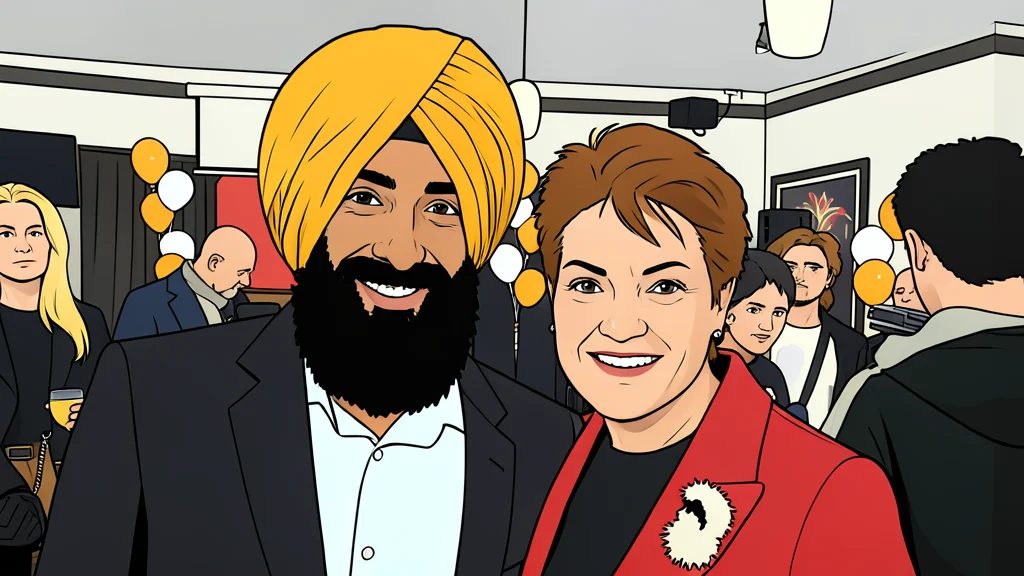
Charanjit Singh, a Melbourne-based business owner who migrated from India over two decades ago, believes the current major parties have exhausted their options. He supports One Nation’s proposal to reduce net overseas migration, viewing it as a potential relief for infrastructure strain and cost-of-living pressures. While he previously voted for Labor, Singh is now a party member, citing a desire to see a different approach to governance.
Recent data from research firm Roy Morgan indicates growing pockets of support for One Nation among voters born in India, China, and the Philippines. This shift aligns with the party’s recent electoral gains, including its first federal by-election victory and state seats in South Australia and Western Australia. However, this support is not uniform; many prospective voters remain cautious, citing concerns about the party’s broader rhetoric on religion and cultural identity.
Policy Priorities Drive Interest
One Nation leader Pauline Hanson has outlined a plan to cut annual net overseas migration from approximately 300,000 to 130,000. According to the party, this would be achieved by reducing international student intake and temporary graduate visas, while implementing a more targeted skilled migration program. The party also intends to restrict migration from countries listed on the Department of Foreign Affairs and Trade’s travel advisory list.
Manju, an Indian Australian voter who requested anonymity, supports these restrictions but emphasizes the need for criteria based on actual national requirements and security threats. She argues that skilled migration should be tightly regulated to ensure it aligns with economic needs. This view reflects a broader sentiment among some migrants who feel the major parties have failed to address inflation and service delivery effectively.
Security Discourse And Political Debate
Former Prime Minister John Howard recently questioned the evidence linking migration to terrorism, arguing that such approaches to national security are complex and potentially limiting. He noted that while public mood focuses on preventing threats entering under the cover of immigration, blanket restrictions based on nationality may be counterproductive. This perspective contrasts with the more direct policy proposals advanced by One Nation.
Community Trust And Rhetoric
Despite policy alignment, many voters remain hesitant due to the party’s historical rhetoric. Manju specifically cited concerns about anti-Indian racism on social media and Senator Hanson’s recent call for "monoculturalism." She stated that she needs to see how Hanson responds to such incidents before committing her vote. Hindu Council of Australia vice president Surinder Jain noted that while some members seek safety through stricter vetting, others are wary of the party’s broader cultural stance.
According to GN geopolitics/migration (en-US), the dynamic suggests a fragmented electorate where policy specifics are weighed against long-standing perceptions of exclusion. The outcome will likely hinge on whether One Nation can distinguish its operational policy proposals from its broader ideological messaging in the eyes of these hesitant voters.