Tehran Challenges Security Council Procedure over Nuclear Sanctions

Iran's UN representative has formally contested the legitimacy of an upcoming Security Council session, arguing that the expiry of Resolution 2231 renders recent procedural moves invalid and politically motivated.
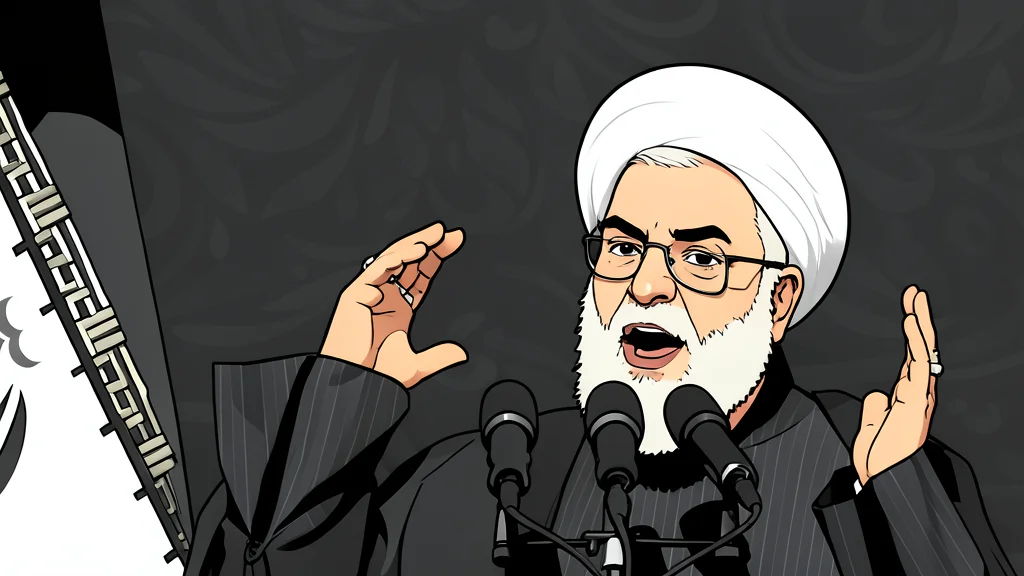
Gholamhossein Darzi, Iran’s chargé d'affaires at the United Nations, has sent a formal letter to the French permanent representative, who currently holds the Security Council presidency. In the correspondence, Darzi characterized a scheduled meeting regarding the 1737 Committee’s activities as a procedural abuse. He argued that the Council is overstepping its authority by continuing to deliberate on the Iranian nuclear file after the legal framework governing it has ended.
The core of Tehran’s objection rests on the timeline of UN Security Council Resolution 2231. Darzi stated that the resolution expired on 18 October 2025, which he said permanently terminated all associated provisions, measures, and restrictions. Consequently, he claimed the Council’s agenda item regarding non-proliferation was effectively removed, leaving the body without a legal basis to convene on the subject.
Legal Standing of Snapback Mechanism
A central point of contention involves the so-called snapback mechanism, which allows for the rapid reinstatement of sanctions. According to Darzi, the three European nations lacked the legal standing to invoke this tool. He asserted that these countries failed to meet their own obligations under the Joint Comprehensive Plan of Action and Resolution 2231, thereby disqualifying them from triggering the mechanism. This argument suggests that any subsequent actions taken by the Council based on this trigger are procedurally flawed.
Allegations of Aggression and Political Bias
Beyond procedural arguments, the Iranian representative attributed the current diplomatic stalemate to what he described as illegal attacks on Iran’s peaceful nuclear facilities. Darzi accused the United States and Israel of carrying out acts of aggression against civilian infrastructure and safeguarded sites over the past two years. He framed these actions as violations of the UN Charter and the prohibition on the use of force, arguing that the root cause of the crisis lies in these physical interventions rather than diplomatic disagreements.
Darzi further criticized the International Atomic Energy Agency, stating that recent resolutions by the Board of Governors were driven by political considerations from Washington and the E3 nations. He noted that these resolutions have remained silent on the alleged attacks by the U.S. and Israel. He emphasized that Iran has been a non-proliferation treaty member since 1970 and has maintained a record of IAEA compliance with no reported diversion of nuclear material. He warned that political pressure cannot substitute for objective safeguards assessments.
Calls for Adherence to International Law
In the context of the GN auto geopolitics/middle-east: Iran nuclear reporting, the Iranian delegation has called on the Security Council to strictly abide by the UN Charter and international law. Darzi urged members to reject what he termed opportunistic attempts to politicize Council procedures. He maintained that formal procedural actions alone cannot lend legitimacy to unsupported claims or provide cover for illegal acts. The forward question remains whether the Council will proceed with the scheduled session despite these formal objections, or if the dispute over legal standing will lead to further fragmentation in the diplomatic process.