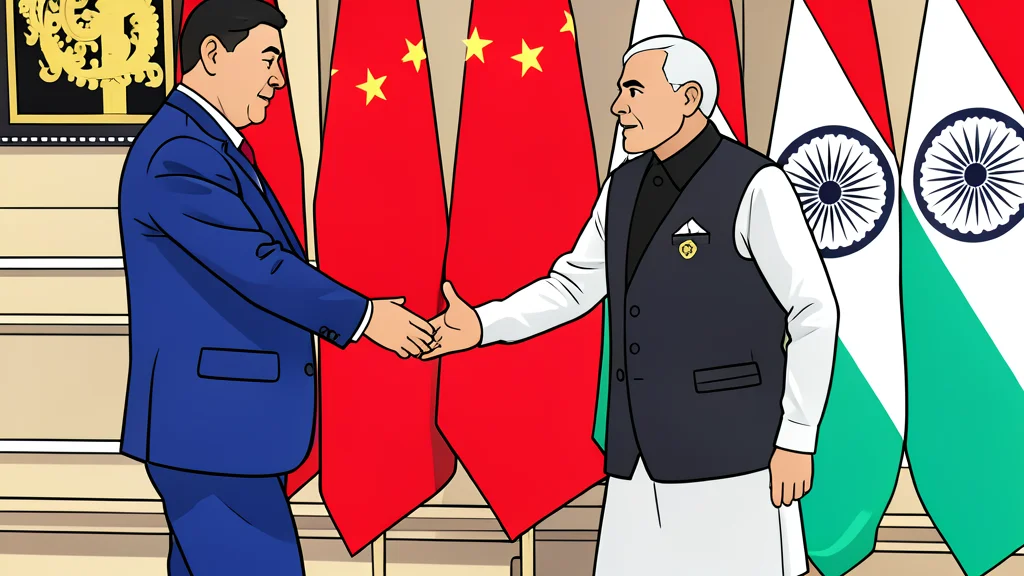
Modi and Xi Reaffirm Commitment to Border Peace in New Delhi
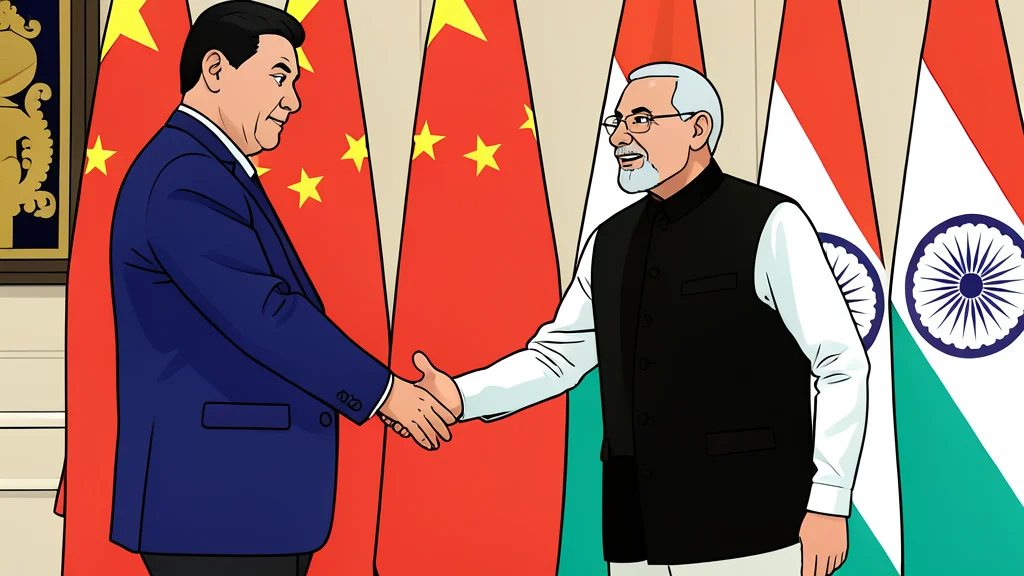
During the BRICS Summit, Indian and Chinese leaders emphasized that maintaining tranquility along the Himalayan frontier is essential for the broader development of bilateral relations.
Prime Minister Narendra Modi and Chinese President Xi Jinping convened in New Delhi on September 12 to discuss the trajectory of their bilateral relationship on the sidelines of the BRICS Summit. The meeting marked a significant diplomatic moment, as it was Xi's first visit to India in seven years, following a period of heightened military tensions in the Himalayan region. According to statements released by the Ministry of External Affairs, both leaders agreed that peace and tranquility in the border areas remain the foundational basis for the continued development of ties between the two nations.
The central theme of their discussion was the need to prevent existing differences from escalating into active disputes. Modi emphasized that both sides must adhere to existing agreements and understandings regarding border-related issues. The shared border stretches approximately 3,488 kilometers through the Himalayas, a vast expanse where many territorial claims remain unresolved. By framing the issue as one of mutual interest rather than confrontation, the leaders signaled a desire to stabilize the frontier and create a predictable environment for future cooperation.
Strategic Framework for Bilateral Ties
In articulating the path forward, Modi highlighted the importance of three guiding principles: mutual respect, mutual sensitivity, and mutual interest. These concepts were presented as the necessary framework for navigating the complex geopolitical landscape. Both leaders welcomed what was described as steady progress in relations since their previous meeting in Tianjin last August. They expressed a commitment to viewing their relationship from a strategic and long-term perspective, prioritizing the long-term interests of their respective peoples over short-term political fluctuations.
According to the official communiqués, the two heads of state also took note of improvements in people-to-people connections. They underscored the need to further promote cultural exchanges, strengthen business linkages, and enhance mobility between the two countries. This focus on soft power and economic integration suggests that both governments view the border issue not as an endpoint, but as a variable that must be managed to allow for broader economic and diplomatic engagement.
Context of Xi's Return to Delhi
Xi’s arrival in India carries significant symbolic weight, as his last visit was in 2019, just before military clashes in Ladakh caused a major setback in bilateral relations. The return to high-level dialogue represents a deliberate effort to reset the relationship. GN geopolitics/border notes that this meeting occurs against a backdrop of shifting global alliances, with both nations seeking to position themselves as key players in the Global South. The summit provided a platform to reaffirm their status as important members of this bloc and to coordinate on broader international issues.
During his address at the summit, Xi emphasized that China and India, as the world's two most populous countries, shoulder significant responsibilities in promoting global peace and stability. He advocated for an equal and orderly multipolar world and an inclusive form of economic globalization. By aligning their positions on these macro-level issues, the two leaders aimed to inject positive energy into international discourse while managing their bilateral differences through established diplomatic channels.
Looking Ahead to Implementation
The forward question now centers on how these high-level commitments will translate into concrete actions on the ground. Observers will watch closely for any changes in troop deployments or the pace of diplomatic negotiations regarding the border. The success of this reset will likely depend on the consistent application of the agreed-upon mechanisms for dispute resolution and the depth of economic cooperation that follows. As the two nations navigate their complex relationship, the coming months will test the durability of the peace and tranquility pledged in New Delhi.