Modi and Xi Reaffirm Commitment to Border Stability
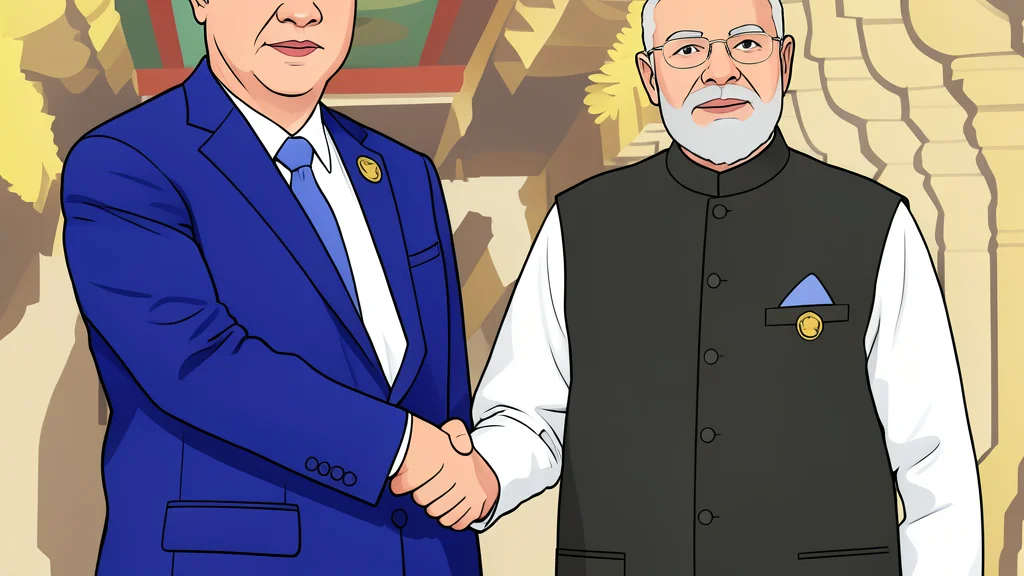
Prime Minister Narendra Modi and President Xi Jinping have renewed their commitment to resolving boundary issues through diplomatic dialogue rather than confrontation.
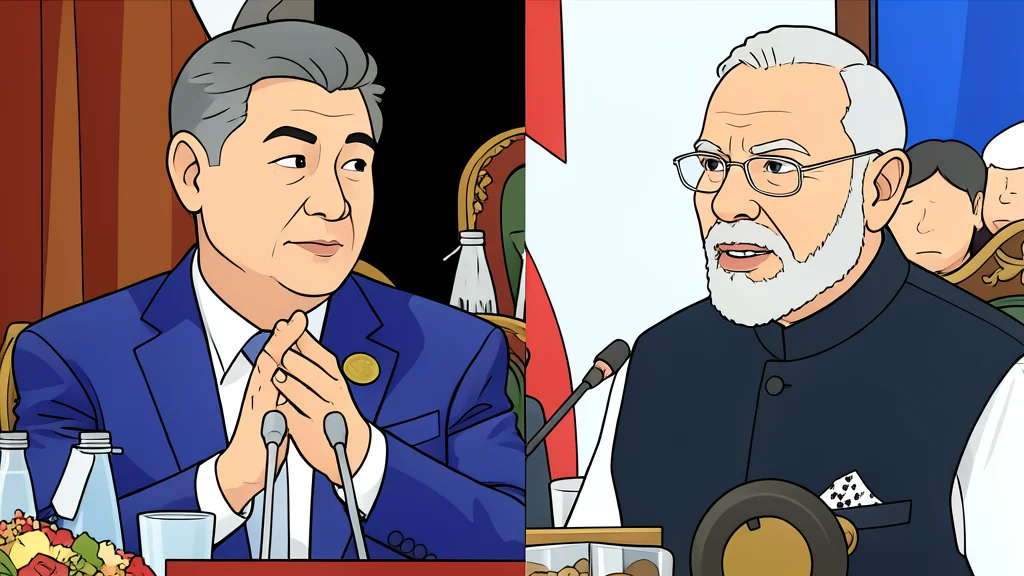
Prime Minister Narendra Modi and Chinese President Xi Jinping have reaffirmed their commitment to resolving the India-China boundary dispute through fair and reasonable means. According to statements released following their meeting, both leaders agreed that the settlement should be approached from a political perspective that prioritizes the long-term interests of their respective populations.
This diplomatic engagement took place on the sidelines of the BRICS Summit, marking the second bilateral meeting between the two heads of state since their previous encounter in Tianjin in August 2025. The conversation came at a critical juncture as China prepares to assume the rotating chairmanship of the bloc from India, a transition that both sides described as a moment for strengthening institutional cooperation.
Diplomatic Framework for Border Issues
The two leaders emphasized that differences should not escalate into disputes, a sentiment echoed by Modi, who stressed the necessity of mutual respect, sensitivity, and interest as guiding principles for the relationship. Peace and tranquillity in the border areas were identified as an essential basis for any continued development of bilateral ties, with both parties calling for strict adherence to existing agreements on border-related matters.
According to GN geopolitics/border, this dialogue assumes significant weight given the gradual improvement in relations following the patrolling arrangements reached along the Line of Actual Control in 2024. The current engagement is seen as a continuation of that trajectory, where high-level contact is maintained to prevent tactical frictions from overshadowing broader strategic cooperation.
Expanding Economic and Cultural Ties
Beyond security matters, Modi and Xi agreed to expand people-to-people connections, including cultural exchanges and business linkages. On trade, the leaders underlined the need to address structural imbalances and supply-chain concerns while facilitating predictable market access. This broadening of the agenda suggests an intent to diversify the relationship beyond its traditional security-focused dimensions.
Strategic Context of BRICS Leadership
The timing of the meeting coincides with the transfer of the BRICS chairmanship from New Delhi to Beijing. Modi expressed appreciation for China's support during India's tenure, while Xi urged members to remain sincere and seek common ground while respecting differences. The leaders agreed to continue expanding common ground on regional and global issues, signaling a coordinated approach to emerging multilateral challenges.
Observers will now watch how these diplomatic commitments translate into concrete actions on the ground, particularly regarding border patrols and trade negotiations. The coming months will likely reveal whether the stated intent to handle differences through dialogue can withstand the pressures of geopolitical competition in the region.