Divergent Phrasing Reveals Persistent Gap in India-China Border Stance
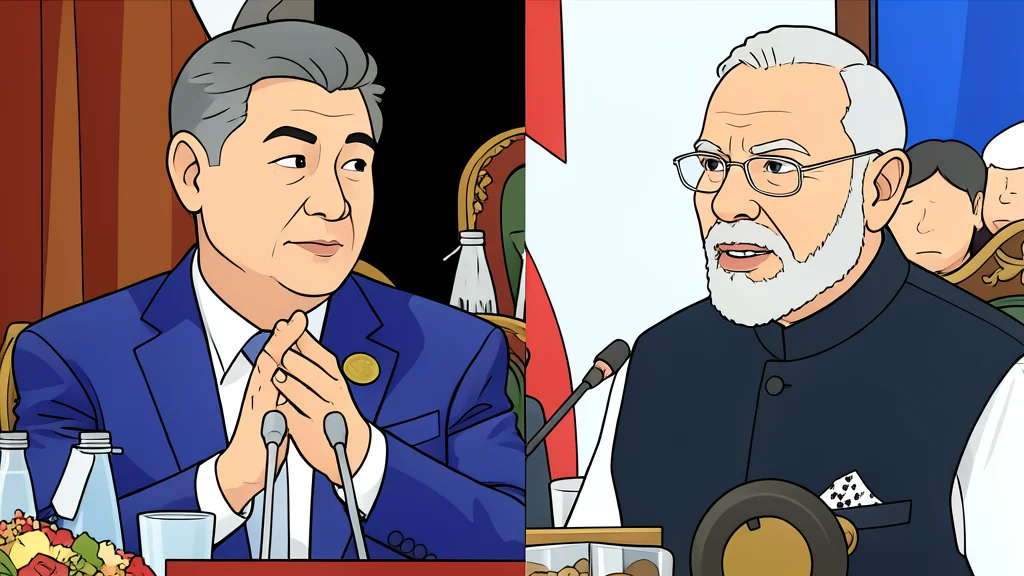
Statements released after the Modi-Xi meeting highlight a subtle but significant divergence in how the two nations prioritize the boundary issue relative to broader diplomatic ties.
The official readouts following Prime Minister Narendra Modi’s meeting with President Xi Jinping on Saturday underscore a lingering structural difference in how New Delhi and Beijing approach their relationship. While both sides expressed a commitment to maintaining peace and advancing ties, the specific language used to describe the connection between border stability and bilateral progress reveals distinct strategic priorities that remain unresolved despite high-level engagement.
According to GN geopolitics/border, the core of the discrepancy lies in the sequencing of diplomatic efforts. Beijing’s statement advocates for simultaneous advancement on both fronts, suggesting that broader relations can grow even while specific boundary disputes persist. In contrast, New Delhi’s framing positions border tranquility as a prerequisite for any meaningful deepening of the relationship, reflecting a cautious approach shaped by recent historical friction.
Beijing Advocates Parallel Diplomatic Progress
The Chinese position, as detailed in the joint release, emphasizes a dual-track approach where economic and diplomatic engagement proceeds alongside negotiations on the boundary. The statement calls for “parallel, mutually reinforcing progress,” indicating a desire to decouple the overall trajectory of bilateral ties from the specific technicalities of the border dispute. This formulation suggests that Beijing views the broader relationship as capable of moving forward independently of immediate resolution of territorial questions.
By framing the boundary issue as one component of a larger, ongoing process, the Chinese wording leaves room for continued cooperation in other sectors even if disagreements on the ground remain. This approach reflects a long-standing Chinese diplomatic preference for managing differences without allowing them to halt the momentum of broader strategic and economic interactions between the two major powers.
New Delhi Links Ties to Border Peace
India’s statement, however, places a different emphasis on the conditional nature of its engagement. Prime Minister Modi emphasized that peace and tranquility in the border areas constitute an “essential basis” for the continued development of bilateral relations. This phrasing suggests that for New Delhi, the stability of the frontier is not merely a parallel track but a foundational requirement upon which the broader relationship depends.
The Indian readout also highlighted the importance of observing existing agreements and understandings on border-related issues. According to the statement, the leaders agreed on a “fair, reasonable, and mutually acceptable” resolution, but the underlying message from New Delhi remains that the state of the border cannot be separated from the state of the wider relationship. This stance is seen as a direct response to the tensions that have characterized the region in recent years.
Historical Context Shapes Current Stance
The divergence in wording carries significant weight in the context of the 2020 Galwan clash, which marked a sharp deterioration in ties and resulted in significant casualties. Since that incident, India has maintained a firm position that the security situation along the Line of Actual Control is inextricably linked to the overall health of diplomatic relations. This historical backdrop explains why New Delhi is less willing to decouple border stability from broader cooperation.
China’s more fluid approach, which allows for progress in other areas while the boundary question remains unresolved, reflects a different assessment of the risks and benefits of engagement. The difference in perspective highlights the ongoing challenge for both nations to align their diplomatic strategies in a way that satisfies their respective domestic and strategic imperatives while managing a complex and sensitive border issue.