Modi Prioritizes Border Stability in Renewed India-China Dialogue
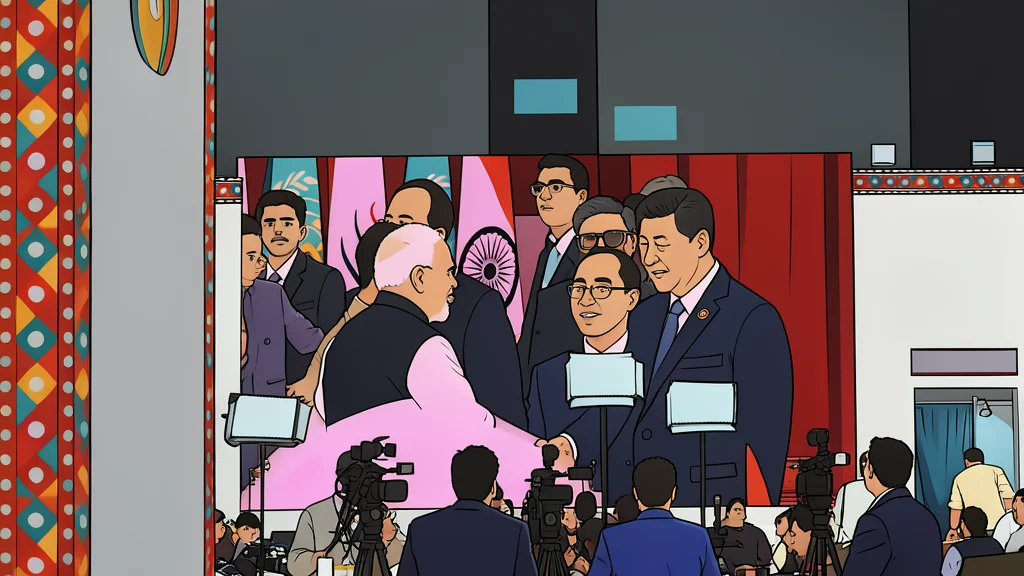
Indian Prime Minister Narendra Modi has identified peace along the shared frontier as the primary condition for deepening ties with Beijing, marking a significant shift in the diplomatic tone following years of tension.
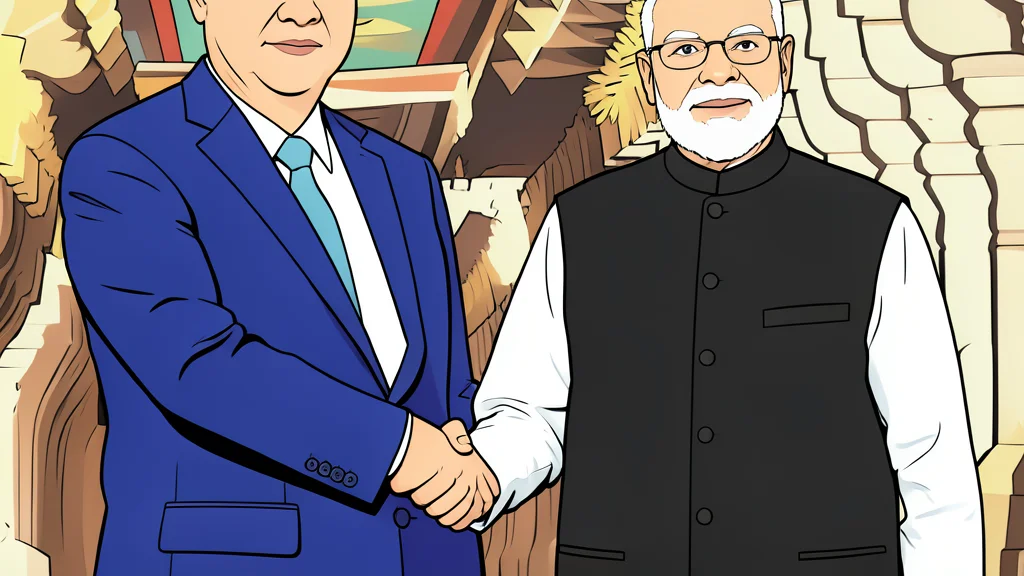
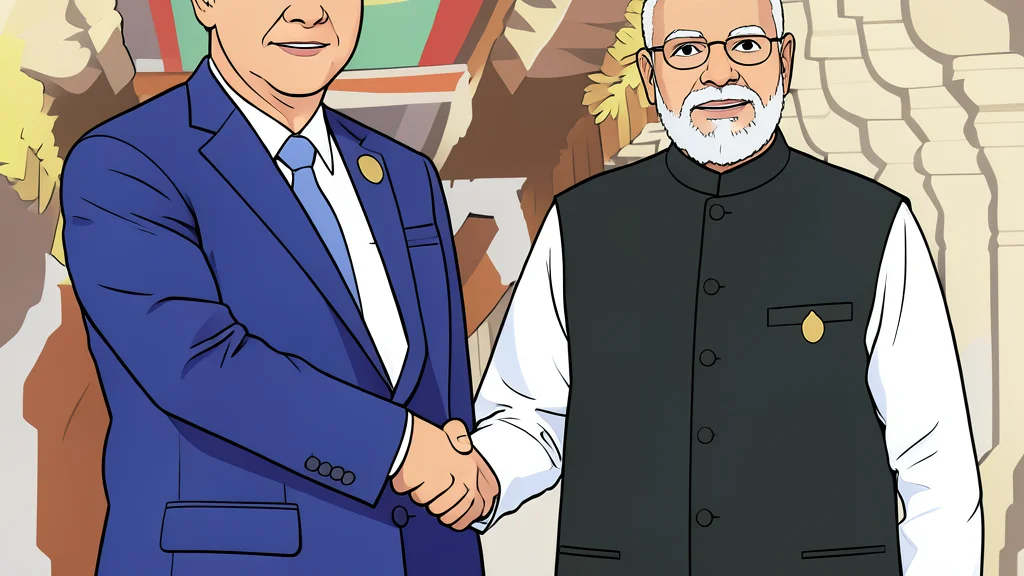
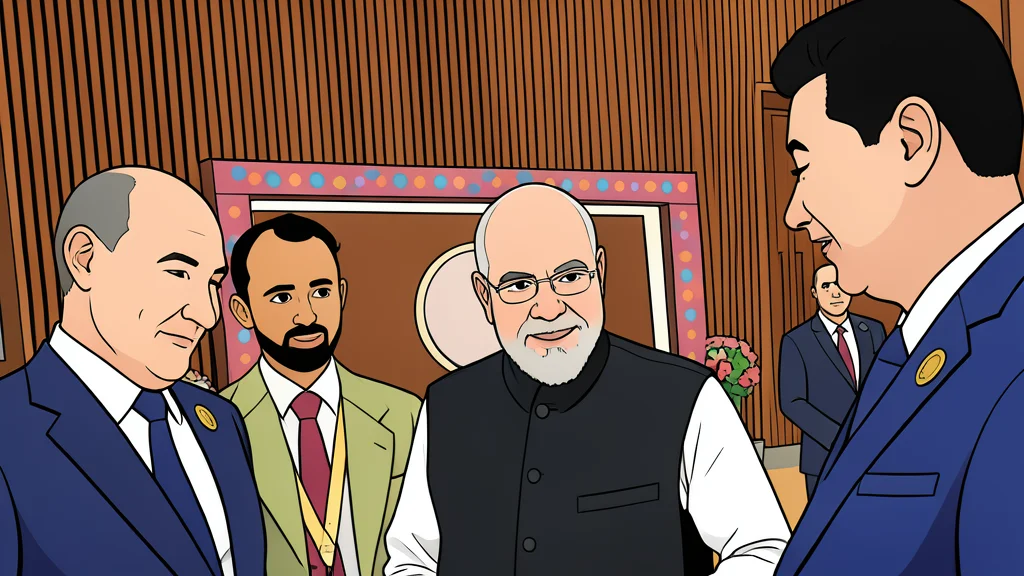
Speaking on Saturday, Prime Minister Modi emphasized that tranquility in border areas is a prerequisite for any meaningful progress in bilateral relations with China. This statement comes at a pivotal moment when diplomatic engagement has visibly thawed, culminating in President Xi Jinping’s first visit to India in seven years. The recent meetings on the sidelines of the BRICS Summit have been characterized by a mutual commitment to managing long-standing disputes without allowing them to escalate into broader confrontations.
According to a government release, both leaders agreed to approach border issues from a strategic and long-term perspective, aiming for resolutions that are fair and mutually acceptable. This diplomatic reset follows a year of steady de-escalation, which includes the resumption of direct flights, the reopening of certain trade routes, and the relaxation of regulatory barriers for Chinese investment in India. The shift reflects a broader effort to stabilize the geopolitical environment between the two Asian giants.
Decades of Dispute Meet New Diplomacy
The border tensions between New Delhi and Beijing are not new, having roots that stretch back to the 1962 war and a deadly skirmish in 2020 that sharply deteriorated relations. However, recent diplomatic efforts have yielded tangible results, including the completion of the 25th round of talks last month. According to reports, these negotiations produced eight points of consensus aimed at resolving the enduring territorial disagreements that have complicated the relationship for decades.
The stability of the border is increasingly viewed as the foundation upon which other aspects of the relationship can be built. By prioritizing peace in the frontier regions, both nations are signaling a desire to prevent localized incidents from derailing broader strategic cooperation. This approach contrasts with the volatile period following 2020, where security concerns dominated the agenda and limited opportunities for engagement.
Trade Imbalance Remains Central Concern
Economic disparities represent another critical dimension of the India-China relationship, with New Delhi facing a significant trade deficit that continues to widen. Data indicates that total trade reached a record high in the year ending March 2026, yet India’s deficit with Beijing also hit an all-time high, highlighting deep structural dependencies. Despite this, both leaders have committed to addressing issues related to supply chains and market access to create a more balanced economic partnership.
China remains India’s largest business partner, but the asymmetry in trade flows has fueled political and economic discussions in New Delhi. The recent agreement to tackle structural imbalances suggests a move toward more predictable market access and reduced reliance on imports from the world's second-largest economy. This economic recalibration is seen as essential for sustaining the improved diplomatic climate.
Looking Ahead at Bilateral Engagement
As the two nations continue to navigate their complex relationship, the focus will likely remain on maintaining the momentum gained through recent diplomatic breakthroughs. The success of this new phase will depend on the ability of both sides to sustain border peace while addressing deep-seated economic and security concerns. Observers will watch closely for further developments in trade policy and border management mechanisms that could define the trajectory of India-China relations in the coming years.