Lithuania Rejects Kremlin Nuclear Pressure

Vilnius dismisses Russian warnings as psychological tactics, asserting that NATO membership defines its security posture rather than Moscow’s rhetoric.
Lithuanian officials have firmly rejected recent warnings from the Kremlin regarding the potential deployment of nuclear weapons on Lithuanian soil. According to reports from GN geopolitics/nuclear (en-US), political figures in Vilnius characterized statements by Russian leadership as attempts to exert psychological and political pressure rather than credible strategic threats. The government maintains that such rhetoric should not influence national decision-making or alter the country’s commitment to its security architecture.
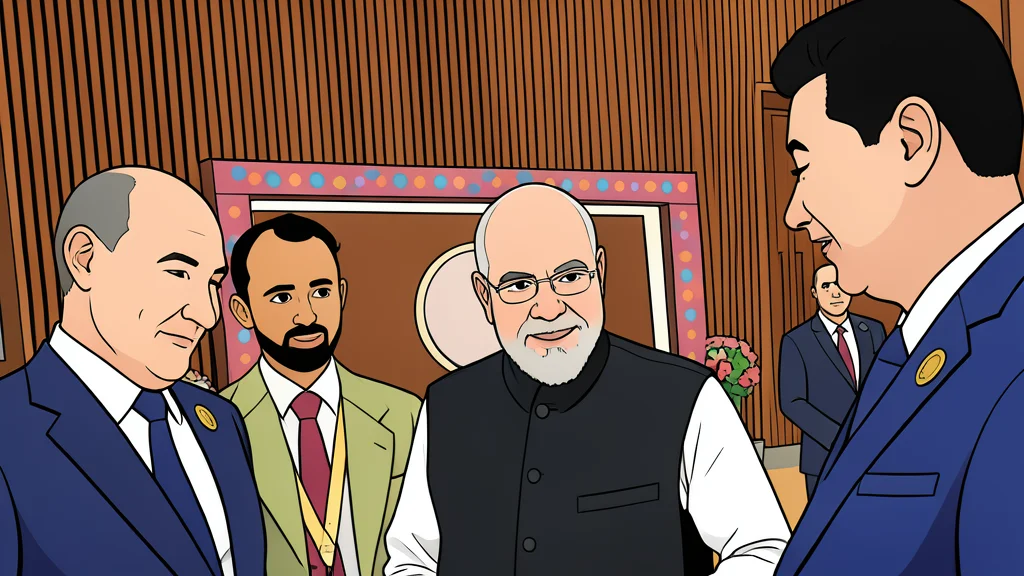
The exchange follows comments by Dmitry Peskov, the spokesman for Russian President Vladimir Putin, and Dmitry Medvedev, Deputy Chairman of the Russian Security Council. Medvedev specifically warned of severe consequences if Lithuania were to host nuclear assets, suggesting that NATO might not intervene in such a scenario. Lithuanian lawmakers argue that this stance is a familiar tactic aimed at intimidating both Vilnius and the broader Western alliance, attempting to create doubt about the reliability of collective defense guarantees.
Parliamentary stance on security
Laurynas Kasčiūnas, Deputy Chairman of the parliamentary Committee on National Security and Defense, described the Russian statements as a standard instrument of pressure. He noted that these tactics have been employed previously and that a change in constitutional norms would not fundamentally alter Lithuania’s status in Moscow’s eyes. Kasčiūnas emphasized that the country’s security decisions are driven by its own strategic interests and alliance commitments, not by external threats.
Committee member Dainius Gaižauskas added that Lithuania has been considered a potential target by Russia since joining the North Atlantic Treaty Organization. He argued that the Kremlin’s warnings are directed not only at Vilnius but also serve to intimidate the populations of other alliance nations. Gaižauskas contended that lifting the constitutional ban on nuclear weapons is necessary to allow Lithuania to fully utilize the defense capabilities provided by NATO, thereby avoiding becoming a weak link in the alliance’s collective defense structure.
Constitutional amendments and timeline
The debate over nuclear posture in Lithuania has been building for months. As early as this winter, discussions began regarding the possibility of amending the Constitution to permit the stationing of nuclear weapons. In the summer, President Gitanas Nausėda indicated that there is near-unanimous support among parliamentary party leaders for lifting the existing ban. This move is seen as a way to align domestic law with broader NATO defense integration strategies.
Broader European defense shifts
Lithuania’s stance reflects a wider trend among European nations reassessing their nuclear defense capabilities. Against the backdrop of ongoing aggression in Ukraine and shifting political dynamics in the United States, several countries are exploring new arrangements. In late June 2026, Finland signed amendments to its nuclear energy law, allowing for the import, transit, and storage of nuclear weapons as part of its NATO integration. Meanwhile, Poland and France have initiated concrete negotiations regarding a nuclear umbrella, holding the first meeting of a special coordination group to discuss shared security frameworks.