Modi and Xi Reaffirm Commitment to Boundary Dispute Resolution
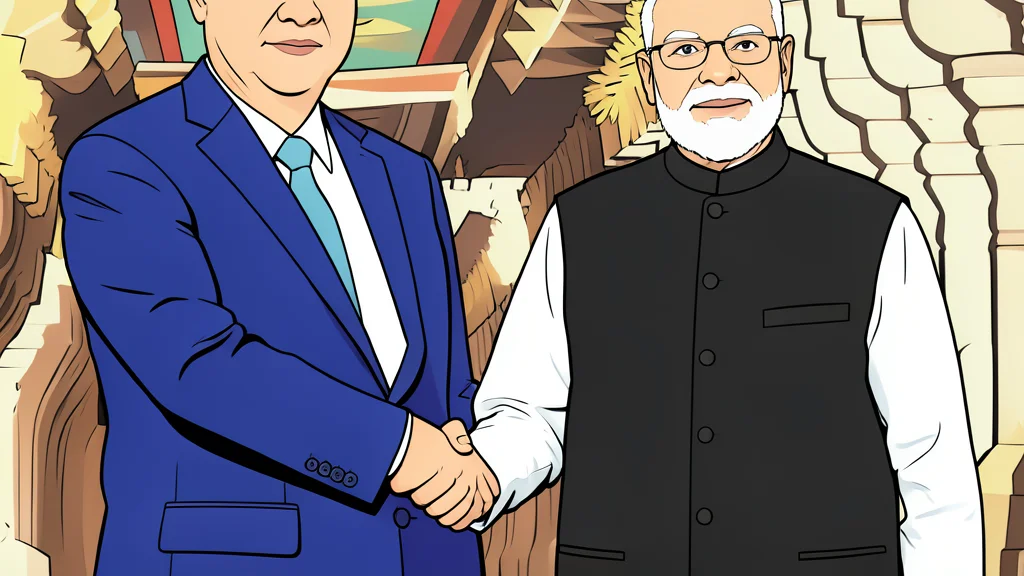
India and China have renewed their commitment to resolving the long-standing border dispute through diplomatic channels, framing the issue within the broader context of bilateral strategic interests.
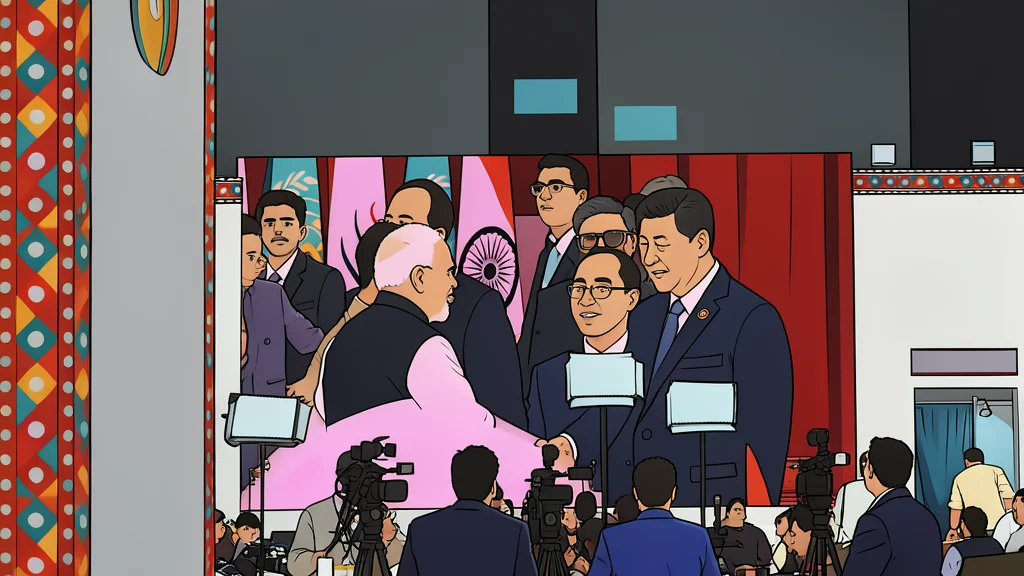
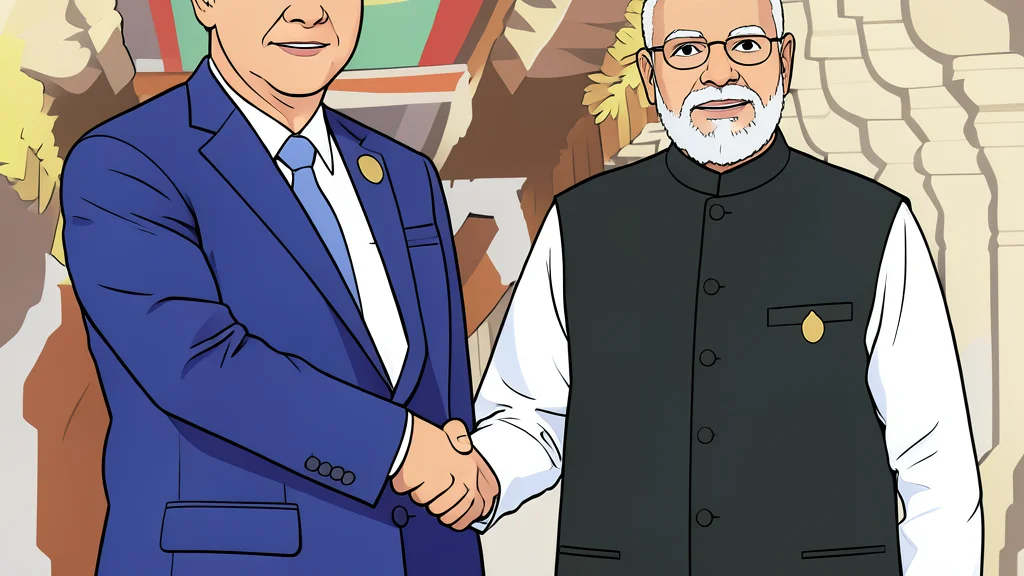
Prime Minister Narendra Modi and Chinese President Xi Jinping have committed to seeking a fair and mutually acceptable resolution to the boundary question between the two nations. According to reports from GN geopolitics/border, the leaders agreed that this sensitive issue should be addressed from a political perspective that prioritizes the long-term interests of both peoples rather than allowing it to overshadow the broader bilateral relationship. This statement marks a significant diplomatic milestone, emphasizing a desire to stabilize relations through structured dialogue.
The commitments were made during a bilateral meeting on the sidelines of the BRICS Summit, representing the second such engagement since their previous talks in Tianjin. Both leaders acknowledged the steady progress in bilateral ties and stressed the importance of maintaining a strategic, long-term outlook. Modi specifically urged that differences should not escalate into disputes, highlighting the necessity of mutual respect, sensitivity, and shared interest as guiding principles for the relationship.
Strategic Framing of Boundary Issues
The diplomatic language used by both sides suggests a deliberate effort to decouple the boundary dispute from potential broader geopolitical friction. By defining peace and tranquillity in border areas as an essential basis for development, the leaders signaled that stability is a prerequisite for deeper economic and diplomatic integration. This approach aligns with recent trends of high-level engagement following the 2024 agreements on patrolling arrangements along the Line of Actual Control.
According to the official statements, both nations intend to observe existing agreements and understandings on border-related issues. This cautious optimism reflects a recognition that while differences remain, they can be managed within a framework that supports regional stability. The emphasis on a political perspective indicates a move away from purely military or territorial posturing toward a more holistic diplomatic strategy.
Broader Bilateral and Economic Context
Beyond the boundary issue, the leaders agreed to expand people-to-people ties, cultural exchanges, and business linkages. They also addressed trade concerns, including the structural imbalance and supply-chain issues, with a commitment to facilitating meaningful and predictable market access. This broadening of the agenda suggests that both governments view the health of the overall relationship as contingent on progress in multiple sectors, not just security.
The timing of the meeting is also significant, as China prepares to assume the BRICS chairship from India. Modi appreciated China’s support for India’s stewardship of the group and its contribution to the summit’s success. This cooperative posture within the BRICS framework underscores a willingness to manage competition through institutional dialogue and shared global challenges.
Future Implications for Regional Stability
The forward-looking aspect of this diplomatic engagement lies in the sustained implementation of these agreed-upon principles. Observers will closely watch whether the rhetoric of mutual respect translates into concrete actions on the ground, particularly regarding border patrols and trade negotiations. The success of these efforts could set a precedent for managing high-stakes geopolitical differences through sustained dialogue.
As China takes over the BRICS presidency, the focus will shift to how these bilateral commitments influence the group’s broader agenda. The ability of the two nations to maintain a constructive relationship will likely play a crucial role in shaping regional dynamics and global cooperation in the coming year.