Modi and Xi Commit to Reasonable Border Dispute Resolution
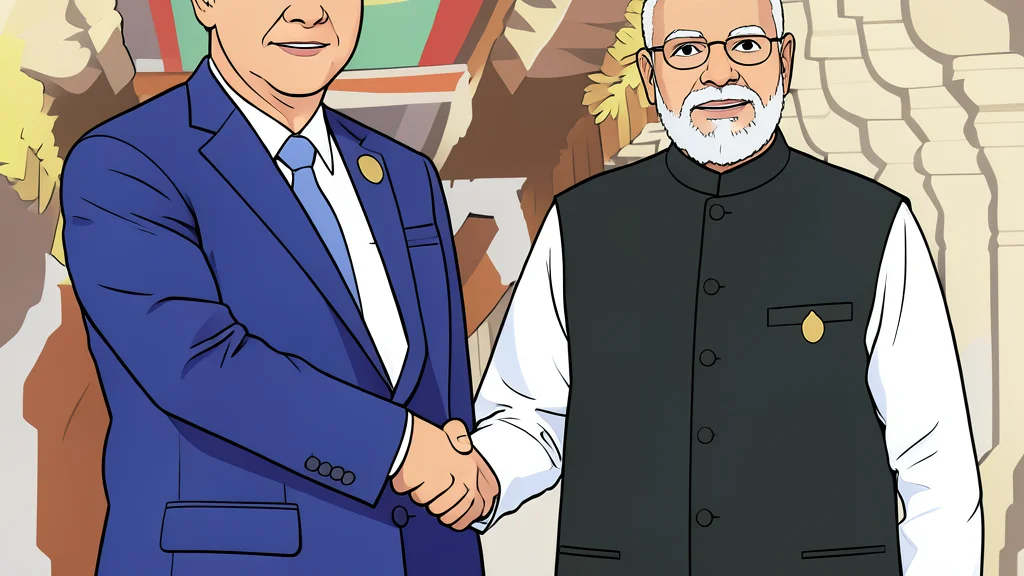
Indian and Chinese leaders reaffirmed their commitment to resolving boundary differences through political dialogue during a meeting on the sidelines of the BRICS Summit.
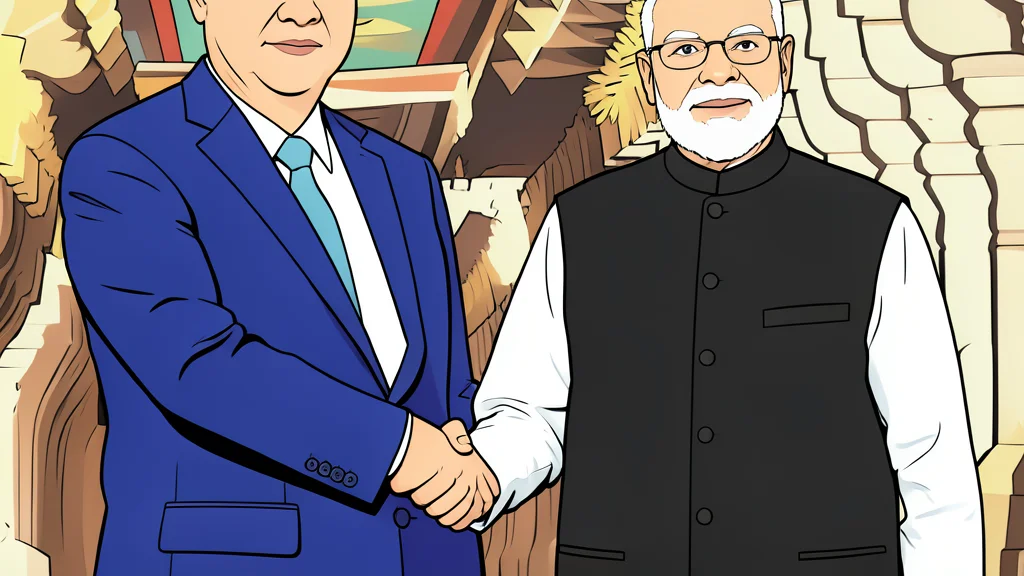
Prime Minister Narendra Modi and Chinese President Xi Jinping have committed to seeking a fair, reasonable, and mutually acceptable resolution to the long-standing boundary dispute between their nations. The agreement marks a significant step in the gradual normalization of relations between the two Asian giants, emphasizing that the resolution should be viewed through the lens of the broader bilateral relationship and the long-term interests of both populations.
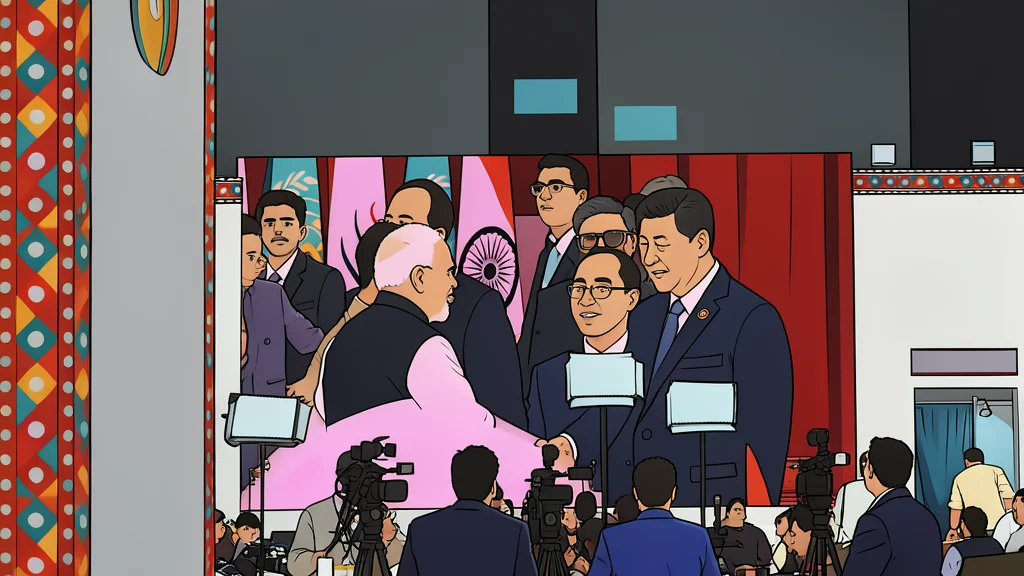
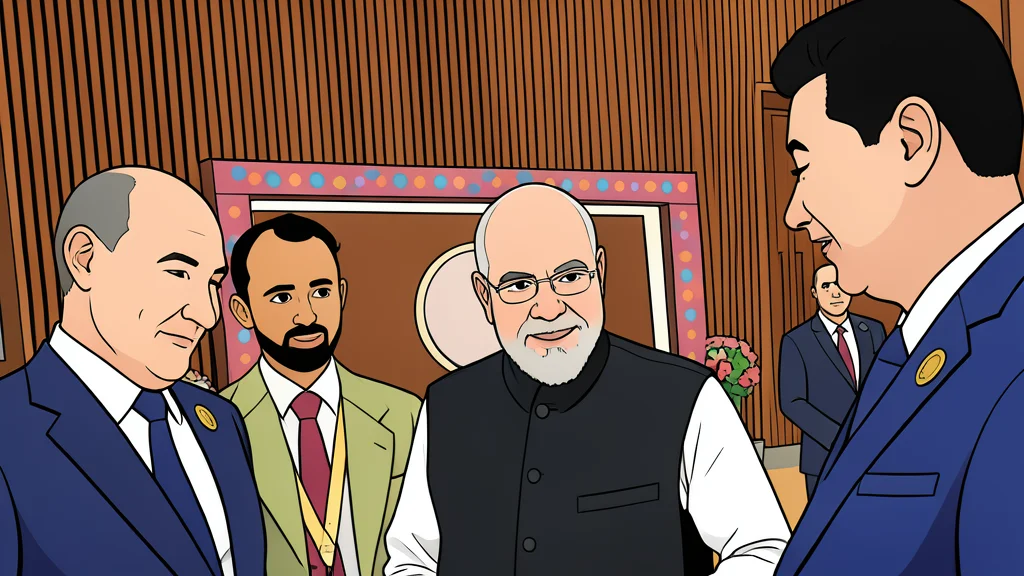
This formulation was reached during their second bilateral engagement since August 2025, held in the context of the current BRICS Summit. According to reports from GN geopolitics/border, the leaders welcomed the steady progress in diplomatic ties and agreed that both countries must maintain a strategic and long-term perspective, ensuring that differences do not escalate into active disputes.
Strategic Perspective on Border Stability
Modi emphasized that peace and tranquility along the border are essential for the continued development of bilateral relations. He urged both sides to strictly observe existing agreements and understandings regarding border-related issues, framing the relationship around mutual respect, sensitivity, and interest. This approach aligns with the broader diplomatic strategy of maintaining stability in the Line of Actual Control area, which has seen improved patrolling arrangements since 2024.
The leaders also identified the structural trade imbalance and supply-chain issues as key areas requiring attention. They underlined the need to address each other’s concerns while facilitating meaningful and predictable market access. By linking border security with economic cooperation, the two nations are attempting to create a comprehensive framework that balances geopolitical caution with commercial pragmatism.
Expanding Economic and Cultural Ties
Beyond the border question, Modi and Xi agreed to expand people-to-people ties, cultural exchanges, and business linkages. This push for greater mobility and interaction is seen as a way to build societal resilience against political fluctuations. The leaders also committed to expanding common ground on regional and global issues, indicating a desire to coordinate on emerging challenges that affect the broader international order.
The timing of these discussions is notable as China prepares to assume the rotating chairmanship of the BRICS grouping from India. Modi acknowledged China’s support for India’s chairship and the success of the New Delhi summit. Xi, in turn, called on BRICS members to remain sincere, seek common ground, and respect core concerns, reinforcing the multilateral framework in which these bilateral discussions are taking place.
Future Trajectory of Bilateral Relations
The next phase of this diplomatic effort will likely focus on the implementation of the agreed-upon patrolling mechanisms and the concrete steps to address trade imbalances. Observers will be watching for any new high-level engagements that could further solidify the trust-building measures initiated since the 2024 understandings. The success of these efforts will depend on whether both sides can maintain the momentum of dialogue while managing the inherent complexities of their geopolitical positions.
As the BRICS chair transitions to China, the group’s internal dynamics may also influence the India-China relationship. The emphasis on candid communication and steady cooperation within the BRICS context suggests that the two nations are seeking to navigate their differences within a broader multilateral setting. The coming months will test whether this commitment to a 'reasonable' resolution can withstand the pressures of regional competition and global strategic shifts.