Lavrov Rejects Ceasefire During Talks with Ukraine
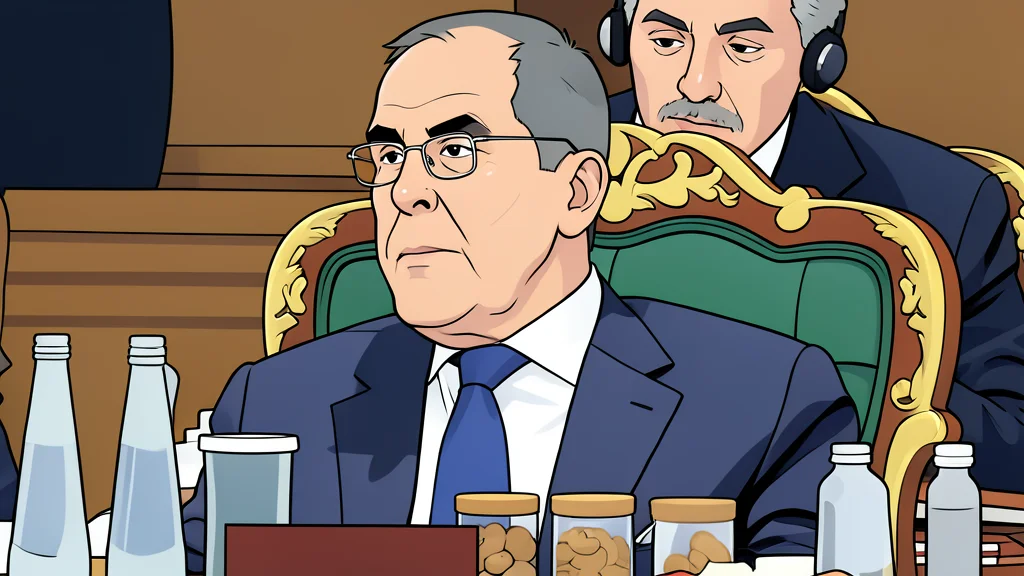
Russian Foreign Minister Sergei Lavrov stated that while Moscow is prepared to negotiate with Kyiv, it will not suspend military operations during the duration of these discussions.
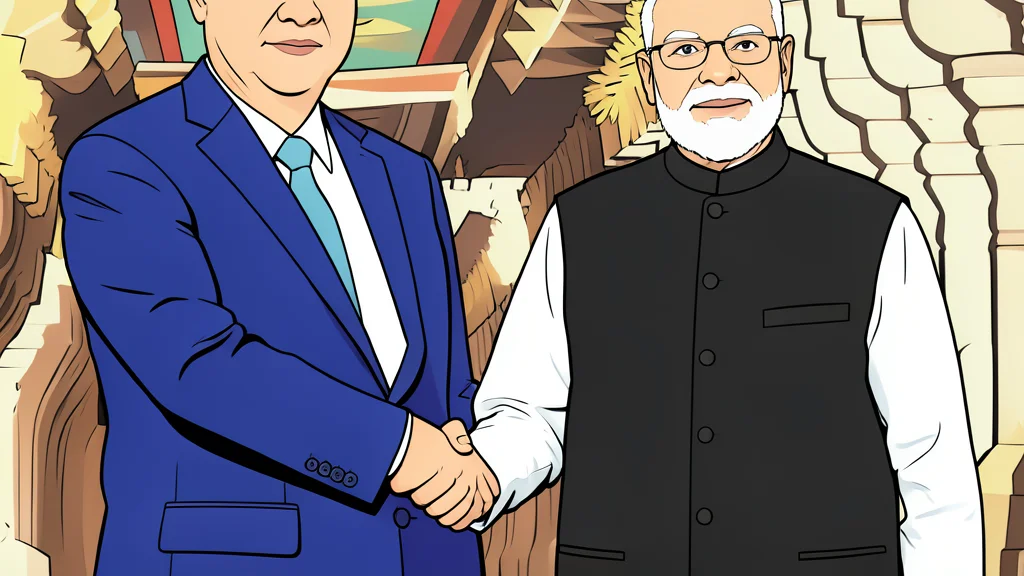
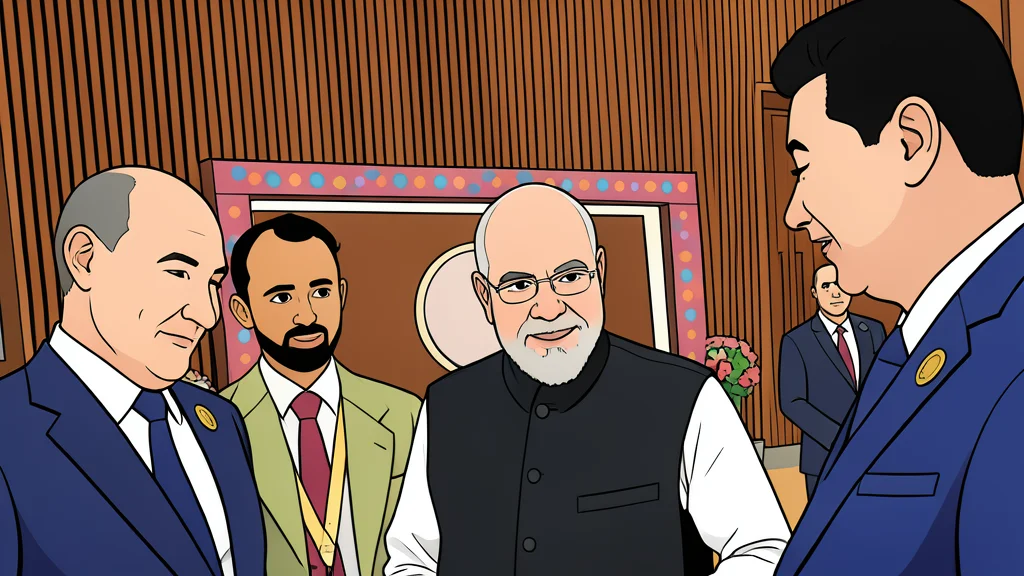
Russian Foreign Minister Sergei Lavrov stated on Saturday that Moscow is prepared to engage in negotiations with Kyiv, but he explicitly rejected the prospect of a simultaneous ceasefire. Speaking on the sidelines of the BRICS summit in New Delhi, Lavrov emphasized that the ongoing military operation will not be suspended for the duration of any diplomatic talks. According to reports from the state news agency TASS, this position underscores a significant divergence between the two sides regarding the conditions for peace.
The Russian diplomat reiterated an offer for direct talks with Ukrainian President Volodymyr Zelensky, inviting him to Moscow for discussions. Lavrov described this invitation as a substantial gesture of goodwill from the Russian side. However, Kyiv has categorically rejected such proposals, viewing the demand for talks in Moscow as unacceptable given the current state of the conflict and security concerns.
Diplomatic divergence on negotiation terms
Kremlin spokesman Dmitry Peskov also weighed in on the matter, suggesting that if President Zelensky genuinely wishes to speak with Vladimir Putin, he should travel to Moscow. This statement appeared to respond to speculation about a potential meeting between the two leaders at the upcoming G20 summit in Miami in December. It is worth noting that Ukraine is not a member of the G20, which complicates any official bilateral engagement within that forum.
The United States is actively working to restart negotiations between Moscow and Kyiv, with speculation rising about a possible three-way summit involving US President Donald Trump. According to GN geopolitics/ceasefire, these diplomatic efforts aim to find a path toward de-escalation, though the rigid positions held by both sides regarding ceasefires and meeting locations present significant hurdles. The BRICS grouping, which includes major powers like China and India, continues to position itself as a counterweight to Western-led diplomatic initiatives.
International mediation efforts continue
Observers note that the refusal to link negotiations with an immediate halt to hostilities remains a central point of contention. While Western nations generally advocate for a ceasefire as a prerequisite for meaningful dialogue, the Russian position suggests that military pressure will continue alongside diplomatic channels. This approach has been criticized by Kyiv and its allies as undermining the credibility of the negotiation process.
The broader context involves the BRICS nations, originally composed of Brazil, Russia, India, China, and South Africa, which have expanded to include members from the Middle East and Southeast Asia. These countries often seek to present alternative frameworks for international order, though their direct influence on the Ukrainian conflict remains a subject of intense geopolitical analysis. The coming weeks will likely see continued diplomatic maneuvering as various parties attempt to bridge the gap between these opposing stances.
Future diplomatic outlook remains uncertain
What to watch next is whether any third-party mediation can alter the terms of engagement between Moscow and Kyiv. The potential for a high-level meeting in Miami or elsewhere depends on whether both sides can agree on a neutral ground and a baseline for talks that includes immediate humanitarian and military pauses. Until such compromises are reached, the diplomatic front remains stalled, with the military situation continuing to dictate the pace of any potential negotiations.