Armenia Convenes Joint Session on Minority and Women's Rights

Armenia’s Ombudsperson and Council of Europe representatives convened to discuss legislative gaps affecting national minorities and women, highlighting the need for inclusive governance structures.
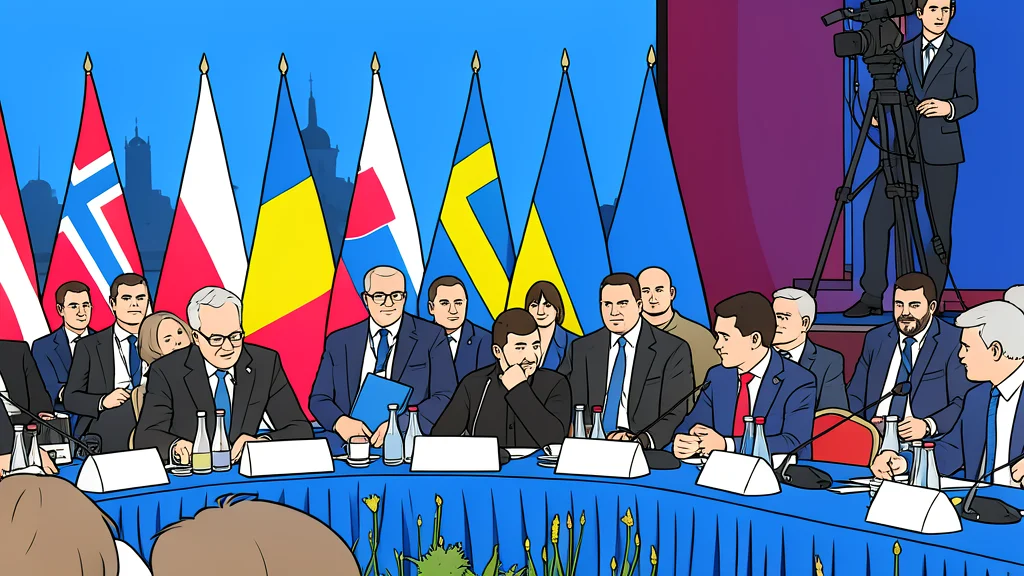
Yerevan has become the focal point for a renewed dialogue on social equity, as the Human Rights Defender’s Office hosted an expanded joint session of its public councils. The event, organized under the Partnership for Good Governance III program, brought together stakeholders dedicated to the rights of national minorities and women. This gathering serves as a continuation of earlier sessions held in late 2023 and mid-2025, marking a sustained institutional commitment to addressing these intersecting human rights dimensions.
According to GN geopolitics/rights (en-US), the conference emphasized the interconnected nature of these issues within Armenia’s broader governance framework. Human Rights Defender Anahit Manasyan stated that these priorities have been central to the institution’s mandate from the outset. She described the councils as vital bridges between the state and civil society, facilitating the integration of non-governmental perspectives into decision-making processes and ensuring that marginalized voices remain at the center of policy discussions.
Institutional Priorities and Civil Society Engagement
Manasyan highlighted specific findings from recent institutional studies, noting a significant disparity in the representation of women and minority members in local self-government bodies. According to her remarks, only three women currently head local administrative units in Armenia, a statistic that underscores the need for broader structural change. She emphasized that the activities of these few leaders serve as a model, but the institution attaches great importance to legislative regulations that can systematically protect and promote the rights of these groups.
The Ombudsperson further explained that the Human Rights Defender engages in numerous discussions with state bodies through various communication formats. By amplifying the voices of civil society partners, the institution aims to make non-governmental organizations active participants in the decision-making process. This approach is designed to ensure that the concerns raised by community partners are consistently treated as high-priority items within the state’s operational agenda.
European Support for Legislative Reform
Maxime Longangué, head of the Council of Europe Office in Armenia, stressed that all dimensions of human rights are inherently interconnected. He noted that the Council of Europe has supported previous discussions aimed at developing a draft law on national minorities. This legislative process involved support from the Venice Commission and was organized jointly with the Human Rights Defender and relevant committees of the National Assembly. Longangué expressed hope that the draft legislation would soon reach Parliament, with all international recommendations taken into account.
The European official argued that such legislation benefits not only specific minority groups but the entire country. He indicated that the Council of Europe is eagerly awaiting the final adoption and full implementation of these laws. The organization views these legal frameworks as essential for fostering an inclusive society, where the protection of one group’s rights reinforces the rights of all citizens. This perspective aligns with the broader European commitment to democratic standards and non-discrimination.
Addressing Domestic Violence and Social Equity
Beyond legislative frameworks, the conference addressed the urgent issue of domestic violence, which has received considerable attention in Armenia in recent years. Longangué noted that the protection of women’s rights is a critical component of the broader human rights agenda. The discussions reflected a growing recognition that safety and equality for women are foundational to societal stability and development. This focus highlights the shift towards more comprehensive approaches to gender-based violence in public policy.
The joint nature of the session allowed for a holistic view of these challenges, integrating the perspectives of both minority and women’s rights councils. By treating these issues as interconnected rather than isolated, the stakeholders aimed to create a more coherent strategy for promoting equality. The conference concluded with a reaffirmation of the commitment to continuous dialogue and collaboration between state institutions, international partners, and civil society organizations.