Philippine Fisheries Ship Damaged in South China Sea Incident
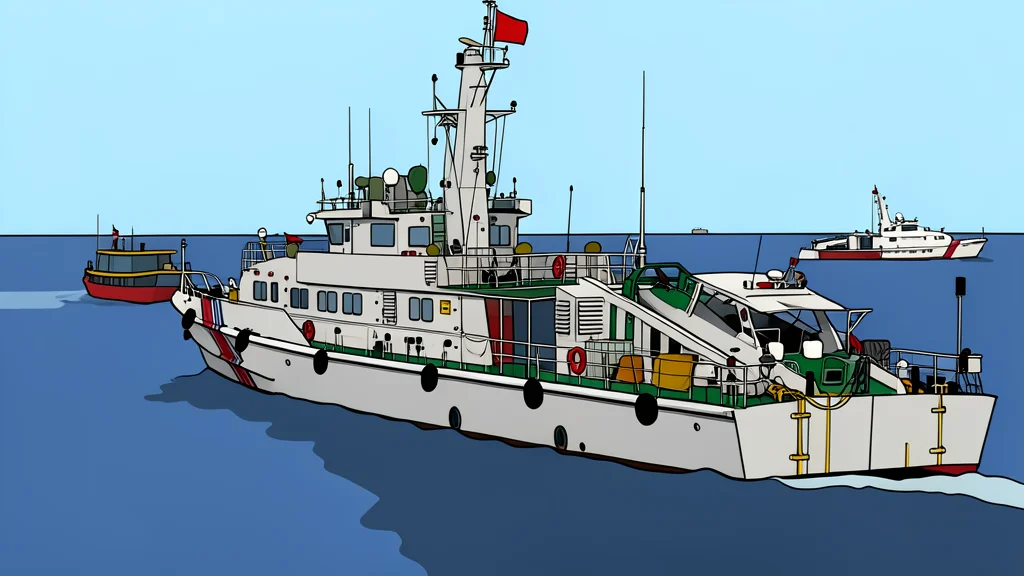
A vessel from the Philippine Fisheries Authority sustained significant damage after a collision with a Chinese Coast Guard ship near Palawan, according to local authorities.
The Philippine Coast Guard reported that a Chinese Coast Guard vessel rammed and damaged a ship belonging to the Philippine Fisheries Authority early this morning. The incident took place in the disputed waters of the South China Sea, specifically about 54 nautical miles off the west coast of the province of Palawan. According to the agency, the vessel was en route to supply fuel to local fishermen when the collision occurred. No injuries were reported among the crew members aboard the damaged ship.
Spokesperson Jay Tarriela detailed the sequence of events, stating that the Chinese vessel initially cut across the Philippine ship’s course at a distance of approximately ten meters. About ten minutes later, the Chinese vessel reportedly repeated the maneuver, resulting in a direct impact that severely damaged one side of the fisheries vessel. Tarriela shared video footage purportedly showing the incident and accused Beijing of deliberately endangering the crew during a civilian supply operation. As of the latest reports, there has been no immediate reaction from the Chinese government.
Historical Context of Maritime Disputes
This latest event continues a pattern of recurring incidents and collisions between vessels from both nations in the region. China claims sovereignty over virtually the entire South China Sea, a stance that is rejected by the Philippines, Vietnam, Malaysia, and other claimant states. These countries cite a 2016 ruling by the UN Arbitration Tribunal, which invalidated much of China’s historic claims. However, Beijing does not recognize the authority of that ruling. The area remains a focal point of geopolitical tension due to its strategic importance as a global trade route and its rich natural resources.
Diplomatic Stance and Regional Tensions
The Philippine Coast Guard has emphasized that the actions taken by the Chinese vessel endanger civilian life and violate international norms. Tarriela asserted that such maneuvers will not alter the legal status of the waters, which he described as belonging to the Filipino people. According to the source GN auto geopolitics/asia-pacific: South China Sea, this incident highlights the ongoing friction in enforcing maritime rights. The lack of an immediate response from Beijing suggests a continued strategy of denying direct diplomatic engagement while maintaining a strong physical presence in the contested zones.
Future Watchpoints in the Region
Observers are now watching for any formal diplomatic responses from both governments. The frequency of such incidents may influence upcoming discussions in regional forums dedicated to maritime security. Additionally, the potential for further escalation depends on how each side manages the narrative surrounding the 2016 arbitration ruling. The situation underscores the complex interplay between national sovereignty claims and the practical realities of shared maritime spaces, with significant implications for regional stability and global trade flows.