Philippines Urges Restraint After Coast Guard Collision Off Palawan
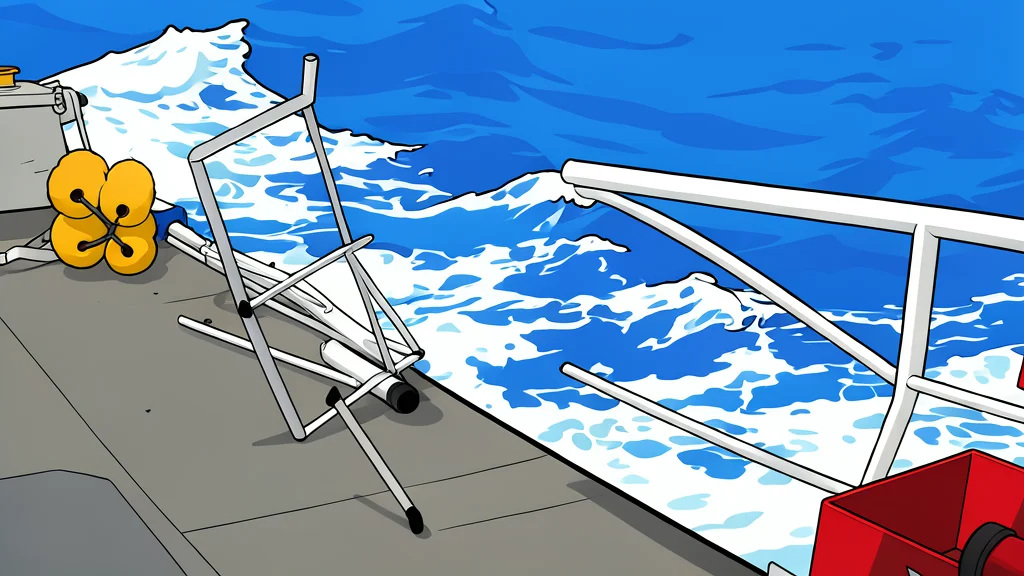
Manila has called for de-escalation following a reported ramming incident involving a Chinese coast guard vessel and a Philippine fisheries ship in the West Philippine Sea.
The Department of Foreign Affairs in Manila has urged Beijing to exercise restraint following a collision between a Chinese coast guard vessel and a Philippine fisheries ship approximately 100 kilometers off the coast of Palawan. The incident, which occurred on Friday, has prompted immediate diplomatic condemnation from the Philippines, which characterized the actions of the Chinese vessel as aggressive and dangerous. According to Manila, the Chinese ship struck the Bureau of Fisheries and Aquatic Resources vessel while it was engaged in routine humanitarian activities supporting local fishermen.
In a formal statement, the foreign ministry asserted that there was no justification for the aggressive maneuvering that resulted in damage to the Philippine vessel and endangered its civilian crew. The department cited the United Nations Convention on the Law of the Sea and the 2016 arbitral ruling to support its position that the Philippines holds sovereign rights within its exclusive economic zone. It further emphasized that the conduct of the Chinese vessel was inconsistent with its obligations under international law, calling on Beijing to avoid further escalation in the region.
Conflicting accounts of the incident
Philippine Coast Guard officials have described the event as an intentional ramming by the Chinese vessel, stating that it was the closest such maneuver had come to endangering personnel safety. Rear Admiral Jay Tarriela noted that the impact damaged railings, deck structures, and stanchions on the Philippine ship, though no crew members were injured. The vessel was subsequently returned to Coron, Palawan, for a seaworthiness assessment to ensure it could continue its mission.
Beijing has disputed this narrative, with a coast guard spokesperson blaming the Philippine vessel for the collision. According to the Chinese account, the Philippine ship ignored repeated warnings and deliberately accelerated across the bow of the Chinese vessel while it was conducting law enforcement operations. The spokesperson maintained that the Chinese vessel acted lawfully and that responsibility for the incident rested entirely with the Manila side, rejecting the characterization of the event as an aggressive act.
Context of territorial disputes
This confrontation occurs against a backdrop of long-standing maritime tensions in the South China Sea, where Beijing claims vast areas of water that overlap with the Philippines’ exclusive economic zone. The 2016 arbitral award, which invalidated the legal basis of China’s sweeping nine-dash line claim, remains a central point of contention. Manila continues to rely on this ruling and international maritime regulations to assert its rights, while Beijing maintains that the award is null and void.
The incident also followed a separate event where the same Philippine vessel ran aground at Hasa-Hasa Shoal while approaching fishing boats to distribute fuel. Although the ship was freed and resumed its mission, the sequence of events has heightened concerns about the safety of civilian personnel operating in the area. The National Task Force for the West Philippine Sea has joined the diplomatic push, calling for an end to actions that endanger lives at sea.
Diplomatic pressure and regional stability
Diplomats and analysts monitor such incidents closely as indicators of broader strategic posturing in the Asia-Pacific region. The Philippines has consistently called for adherence to international norms and peaceful resolution of disputes, while China emphasizes its historical rights and law enforcement priorities in its waters. The recent statements from both sides highlight the ongoing friction over maritime boundaries and the risks associated with close-proximity maneuvers by coast guard vessels.
As the situation develops, attention turns to whether further incidents will occur and how both governments will manage the diplomatic fallout. The forward question remains how both parties will navigate their competing claims while preventing a wider security crisis. Observers will watch for any changes in patrol frequencies, diplomatic communications, or international reactions to this latest clash in the West Philippine Sea.