PLA Troop Withdrawal Marks Shift in India-China Border Dynamics
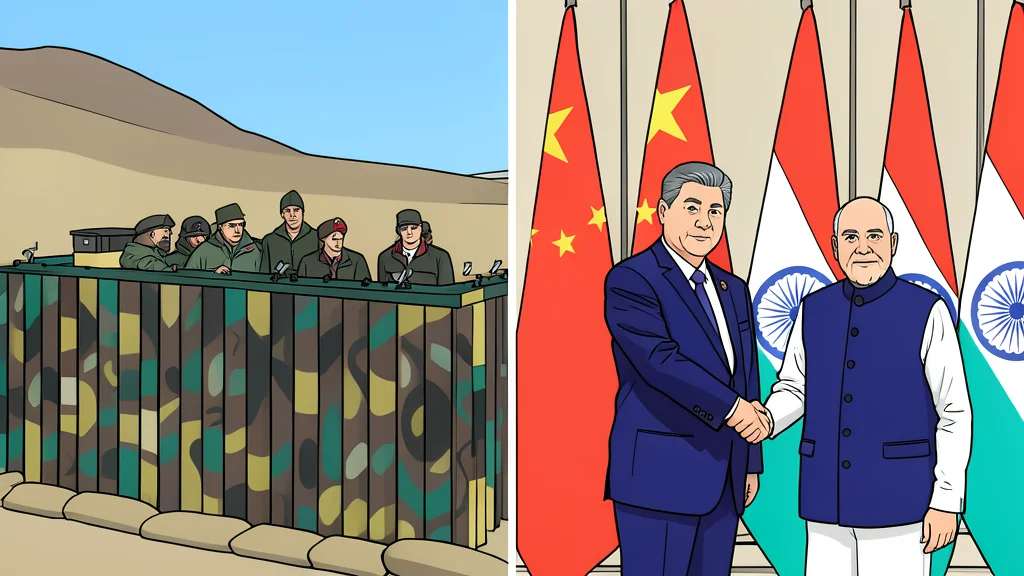
Indian defense reports indicate a notable decrease in Chinese military presence along the Line of Actual Control, coinciding with a resurgence in high-level diplomatic engagement between New Delhi and Beijing.
The Indian Ministry of Defence has documented a significant reduction in People’s Liberation Army deployments along the northern frontier during 2025. This military adjustment aligns with a broader trend of diplomatic re-engagement between India and China, marking a distinct shift from the heightened tensions that characterized the previous years of the border dispute.
According to the annual defense report, the decrease in Chinese troop presence occurred alongside a series of high-level meetings between Prime Minister Narendra Modi and President Xi Jinping. While New Delhi maintains a robust military posture, the synchronized diplomatic and military contacts suggest a deliberate effort to stabilize the Line of Actual Control through dialogue rather than confrontation.
Reduced Deployment in Northern Sectors
The 2025-26 Annual Report states that the PLA reduced its force levels opposite India’s northern borders, specifically noting a decrease from previous years where ten Combined Arms Brigade-sized forces were stationed along the LAC and in traditional training areas. This withdrawal is interpreted as a tangible indicator of de-escalation, although the report emphasizes that the Indian Army remains well-poised and prepared for any emerging contingencies in all sectors.
Diplomatic Channels Resume Regular Dialogue
Political and military interactions have reinvigorated the border dialogue, with the 33rd and 34th rounds of the Working Mechanism for Consultation and Coordination held in March and July 2025. Additionally, talks between Special Representatives on the boundary question resumed in December 2024 and again in August 2025. These structured conversations have provided a framework for addressing specific concerns and maintaining stability in the disputed regions.
Military contacts have also continued at the operational level, including the 23rd Corps Commander-level meeting in eastern Ladakh in October 2025. Officials describe these exchanges as taking place in a cordial environment, allowing both sides to manage incidents and maintain communication channels without the friction that previously dominated the frontier.
Strategic Implications of High-Level Contact
The diplomatic thaw was further cemented during the Shanghai Cooperation Organisation Summit in Tianjin in August 2025, followed by the BRICS Summit in New Delhi. According to the GN auto geopolitics/asia-pacific: India China border desk, these summits allowed the leaders to discuss not only border peace but also trade, supply chains, and cultural exchanges. The consistent message from both sides is that border tranquility is a prerequisite for deeper economic and strategic cooperation.
As the two nations navigate this new phase, the focus remains on whether the current reduction in military presence will lead to a permanent normalization of border relations. The coming months will likely see continued monitoring of troop movements and further rounds of technical talks to ensure that the diplomatic progress is mirrored by lasting security arrangements.