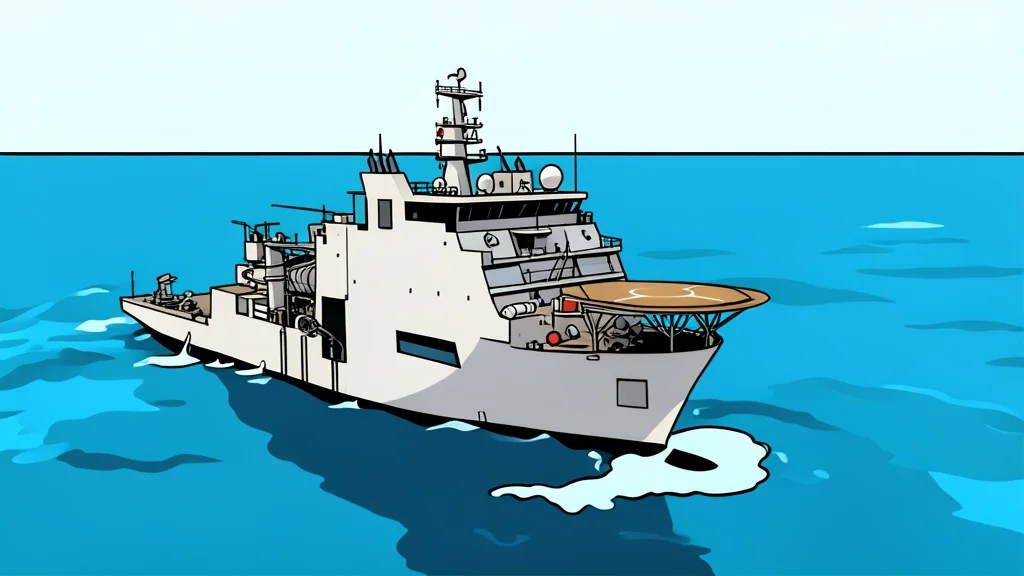
Seoul and Washington Navigate Hormuz Security and Trade Commitments
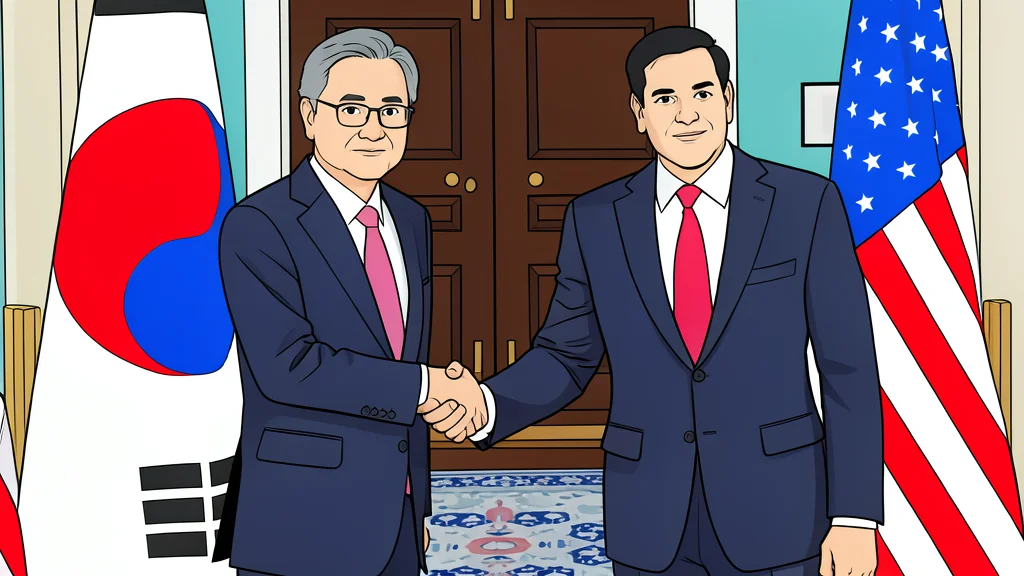
South Korean and U.S. diplomats met in Washington to address strategic divergences regarding maritime security in the Gulf and the implementation of a major investment package.
Senior officials from South Korea and the United States convened in Washington on Friday to address a complex set of geopolitical and economic issues. The meeting, marked by a cautious tone, focused on how Seoul can contribute to regional stability in the Strait of Hormuz while honoring significant financial commitments to its northern ally. According to the GN auto geopolitics/asia-pacific: Korea Strait desk, the discussions reflect a delicate balance between maintaining the alliance and managing domestic political constraints.
The talks occurred against a backdrop of heightened regional tensions and shifting trade dynamics. While both nations seek to reinforce their partnership, the specific mechanisms of cooperation remain under intense scrutiny. President Lee Jae Myung has publicly emphasized that any contribution to maritime security would not involve the deployment of troops to potential conflict zones, a stance that seeks to reassure the domestic electorate while engaging with U.S. strategic interests.
Diplomatic focus on maritime security
The primary point of contention during the bilateral discussions was the role of South Korea in securing the Strait of Hormuz. U.S. Secretary of State Marco Rubio and South Korean Foreign Minister Cho Hyun reportedly explored various non-combatant ways for Seoul to support the restoration of safe passage. This approach aligns with President Lee’s recent statements, which clarified that while protecting national interests is a priority, South Korea will not engage in overseas military conflicts. The diplomatic language used in these exchanges suggests a move toward intelligence sharing and logistical support rather than direct military intervention.
This cautious stance is significant given the broader regional environment, where various actors are testing the limits of existing security architectures. By avoiding a commitment to troop deployment, Seoul aims to maintain its economic stability and domestic political capital. However, this position requires a robust framework for cooperation with Washington, ensuring that the U.S. perceives South Korea as a reliable partner in managing critical chokepoints without exposing the peninsula to direct military risk.
Economic commitments and legislative delays
Parallel to the security discussions, the two sides addressed the implementation of a $350 billion investment package agreed upon in the previous year’s trade deal. Originally scheduled for announcement during the current week, the first specific project was reportedly postponed due to internal procedural delays. According to reports, a necessary briefing to the National Assembly was pushed back, causing the joint announcement to slip to next week. This delay highlights the friction that can occur between executive agreements and legislative oversight processes.
The investment component remains a cornerstone of the bilateral economic relationship, serving as a hedge against broader trade uncertainties. While the specific details of the initial project have not yet been released, the postponement suggests that stakeholders are prioritizing careful review and political consensus over rapid deployment. This careful pacing may be intended to mitigate potential backlash from domestic industries concerned about capital outflows, ensuring that the economic benefits are clearly articulated to the public.
North Korea and regional stability
The diplomatic agenda also included a review of cooperation regarding North Korea, particularly in light of recent missile tests and statements from Pyongyang leadership. U.S. President Donald Trump has indicated a desire to resume high-level summitry with North Korean leader Kim Jong-un, a move that requires a coordinated approach from key allies. South Korea’s position is critical in this dynamic, as it must balance its own security concerns with the U.S. preference for direct dialogue.
Recent provocations by North Korea, including the launch of short-range ballistic missiles and rhetoric regarding nuclear capabilities, have underscored the volatility of the peninsula. The U.S. and South Korea are expected to maintain a unified front in their response to these actions, while simultaneously keeping channels open for potential diplomatic breakthroughs. The outcome of these ongoing consultations will likely shape the next phase of denuclearization efforts and regional security dialogues.