Student Activist Returns to India After Online Takedown
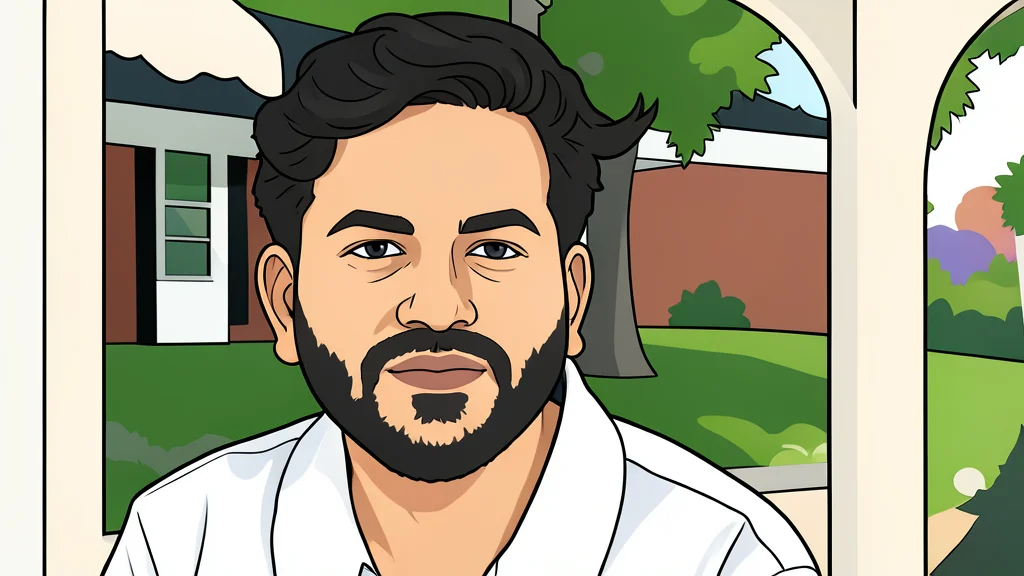
Abhijeet Dipke, the face of India's 'cockroach' protests, has returned to his home country following the government's removal of his online accounts, citing a personal duty to face potential repercussions.
Abhijeet Dipke, a 30-year-old graduate from Boston University, has become the central figure in a rapidly escalating political movement in India. Over the past three months, the activist has transitioned from anonymity to national prominence, a shift he describes as overwhelming. His rise coincides with a satirical campaign that has forced a senior government minister to resign, marking a significant moment in the country's contemporary political landscape.
The movement originated from a specific incident involving a remark by Chief Justice Surya Kant, who compared unemployed youth to pests. Although the judge later clarified that his comments targeted individuals using fake credentials rather than the general population, the initial statement sparked widespread outrage. Dipke, who had previously worked with the Aam Aadmi Party, seized on the imagery to launch the Cockroach Janta Party, a satirical group whose name mirrors that of the ruling Bharatiya Janata Party.
From Digital Satire to Physical Presence
According to BBC World, Dipke’s initial post on social media was a spontaneous reaction made while playing video games. He did not anticipate that the comment would generate tens of thousands of responses or evolve into a structured campaign. Alongside former colleagues, he established the CJP, using the controversial metaphor to critique the treatment of young people in the labor market. The campaign quickly gained traction, drawing both massive support and intense criticism from government loyalists.
Government Censorship and Personal Risk
The digital momentum faced immediate pushback from state authorities. Dipke’s website and social media accounts were briefly removed from access within India. He reported receiving a notification citing Section 69A of the Information Technology Act, which permits the blocking of online content for reasons of sovereignty and state security. While the Ministry of Electronics and Information Technology did not respond to inquiries from BBC World, other media outlets reported that officials cited national security concerns for the removal.
This action prompted Dipke to reconsider his position abroad. He stated that being labeled a national security threat by his own government while he was overseas caused him significant distress. He decided to return to Maharashtra to demonstrate that he posed no threat to the state, framing his choice as an act of patriotic loyalty rather than defiance. However, legal advisors had warned him of potential risks, including detention under the National Security Act, which allows for holding individuals without formal charge.
Uncertain Legal and Political Future
The decision to return was not made lightly, given the documented history of activists and journalists facing police questioning and legal hurdles in recent years. Dipke acknowledged his fear and the sleepless nights he spent weighing the consequences. He expressed concern that staying in the United States would lead his followers to view him as a coward who hid abroad. His return places him directly in the path of a government that has denied retaliatory actions but which maintains a climate of apprehension among dissenters.
As Dipke settles back into his hometown of Chhatrapati Sambhajinagar, the focus now shifts to the legal and social ramifications of his presence. The movement he sparked has already achieved significant political capital, forcing a ministerial resignation. The next phase will likely involve monitoring whether the state initiates legal proceedings against him or if the satirical campaign continues to gain ground through other channels. The situation remains a fluid test of the boundaries between free expression and state security in India.