UN Body Weighs Extension of Afghanistan Rights Mandate
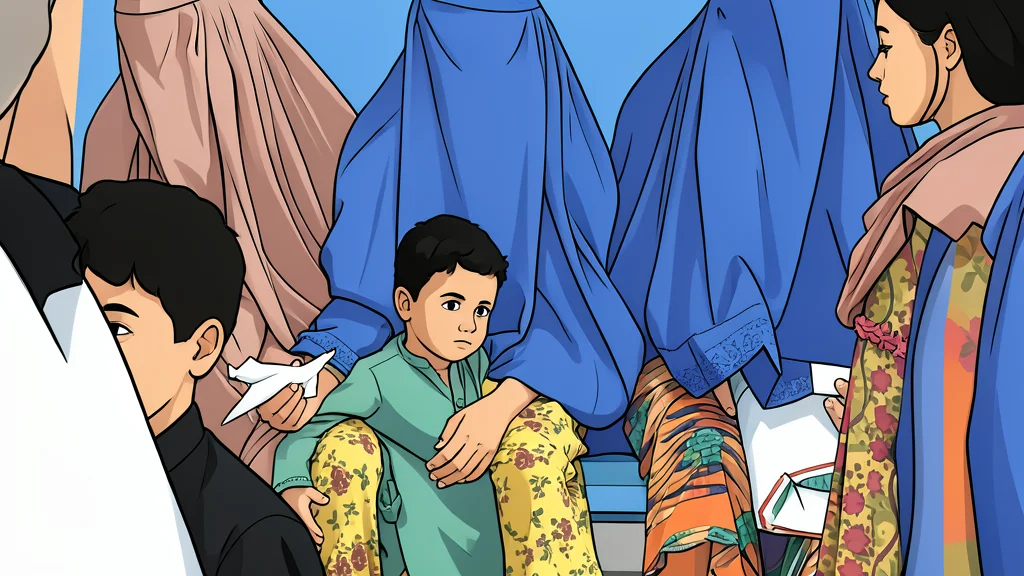
Delegations at the UN Human Rights Council are currently deliberating on whether to extend the mandate of the Special Rapporteur for Afghanistan, a move advocated by major rights groups.
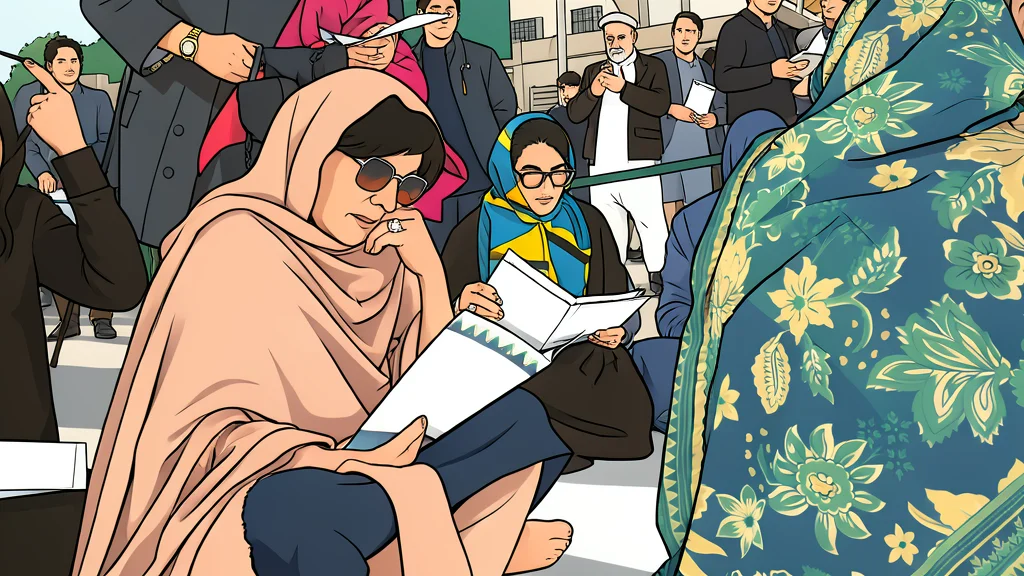
During the 63rd session of the United Nations Human Rights Council, a coalition of human rights organizations has urged member states to renew the mandate of the UN Special Rapporteur on the human rights situation in Afghanistan. According to reports from GN geopolitics/rights (en-US), these groups emphasized the necessity of maintaining dedicated reporting mechanisms to monitor the ongoing conditions within the country.
The call for renewal centers on the need for continued interactive dialogue regarding the rights of women and girls, as well as the broader population. Advocates argue that without this specific mandate, the international community loses a critical channel for assessing the severity of repression and gender-based persecution that remains a primary concern in the region.
Focus on Marginalized Communities
In addition to gender-specific issues, the organizations have requested the inclusion of a dedicated report on the situation of marginalized ethnic, religious, and linguistic groups. They have proposed that an interactive dialogue be established specifically for these communities to ensure their distinct challenges are addressed within the broader human rights framework.
This push for expanded scrutiny reflects a broader concern that current monitoring efforts may not sufficiently capture the full scope of rights violations. By seeking specific mechanisms for these groups, the advocates aim to prevent the dilution of accountability in a context where restrictions on fundamental rights are widespread.
Mechanisms for Accountability
A central part of the advocacy effort involves the operationalization of the Independent Investigative Mechanism for Afghanistan. Human rights groups have called for this process to begin as soon as possible, viewing it as a vital step toward establishing a permanent structure for documenting and investigating alleged crimes.
The urgency of this request was underscored during the Special Rapporteur’s interactive dialogue, which took place in early September. During these sessions, several delegations raised questions regarding further measures to address the deteriorating situation, signaling a growing interest in robust accountability tools among member states.
Diplomatic Dynamics and Next Steps
The decision to renew or modify the mandate will likely hinge on the balance between diplomatic sensitivity and the need for transparent reporting. Member states must weigh the political implications of maintaining a high-profile monitoring role against the documented evidence of ongoing rights violations.
As the council continues its deliberations, the focus will remain on whether the proposed extensions and new investigative mechanisms can secure sufficient support. The outcome of this session will determine the scope of future international oversight and the depth of scrutiny applied to the human rights situation in Afghanistan.