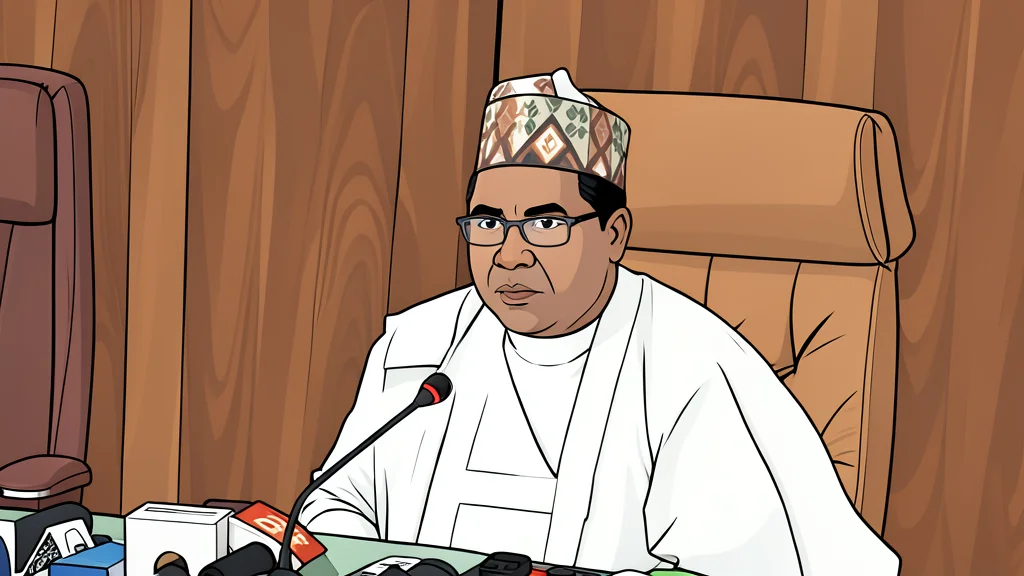
Somali Army Issues Directive on Protecting Women in Conflict

The Somali National Army has signed a new order to prevent violence against women during armed conflict, a move coordinated with international partners to enhance accountability and civilian protection.
The commander of the Somali National Army has signed a formal directive aimed at preventing and addressing violence against women during periods of armed conflict. According to military officials, the order is designed to strengthen the protection of women and ensure that abuses committed during hostilities are properly investigated and prosecuted.
Brigadier General Ibrahim Mohamed Mahmoud, who leads the army, issued the directive as part of a broader effort to uphold the rights, dignity, and safety of civilians. The military stated that the order establishes clear responsibilities for reporting, investigating, and responding to cases of violence, aligning domestic procedures with Somali law and international humanitarian standards.
International Cooperation Shapes Military Policy
The initiative emerged from sustained collaboration between the Somali military and United Nations bodies, including the UN Transition Mission in Somalia and the Special Representative on Sexual Violence in Conflict. These international partners have worked to enhance the army’s capacity to prevent conflict-related sexual violence and to integrate human rights protections into operational planning.
According to the GN geopolitics/war (en-US) report, the signing reflects a long-standing partnership focused on compliance with international humanitarian law. The UN has supported Somali security institutions in rebuilding capacity and ensuring that the expanding security operations respect the rights of civilians, particularly in areas affected by ongoing fighting.
Operational Context and Civilian Exposure
The directive arrives as Somalia continues military operations against Al-Shabaab and other armed groups. Civilians in conflict-affected regions remain exposed to violence and displacement, with women and children identified as particularly vulnerable to exploitation and abuse. The army emphasized that the new order seeks to clarify the obligations of armed forces members to protect civilians and respond appropriately to allegations.
While the military did not disclose specific penalties or detailed procedural mechanisms within the order, it asserted that the directive aims to strengthen internal accountability. This move is seen as a critical step in integrating civilian protection into the core functions of the national armed forces, especially as the government prepares for a gradual transition of security responsibilities from international missions to Somali forces.
Forward-Looking Challenges for Security Forces
Observers note that the implementation of such directives will require consistent enforcement and training across all levels of the command structure. As the country rebuilds its security architecture, ensuring that these protections are maintained in the field will be essential for gaining public trust and meeting international standards for human rights compliance.