US Affirms Support for Taiwan in Pacific Forum Amid Regional Tensions
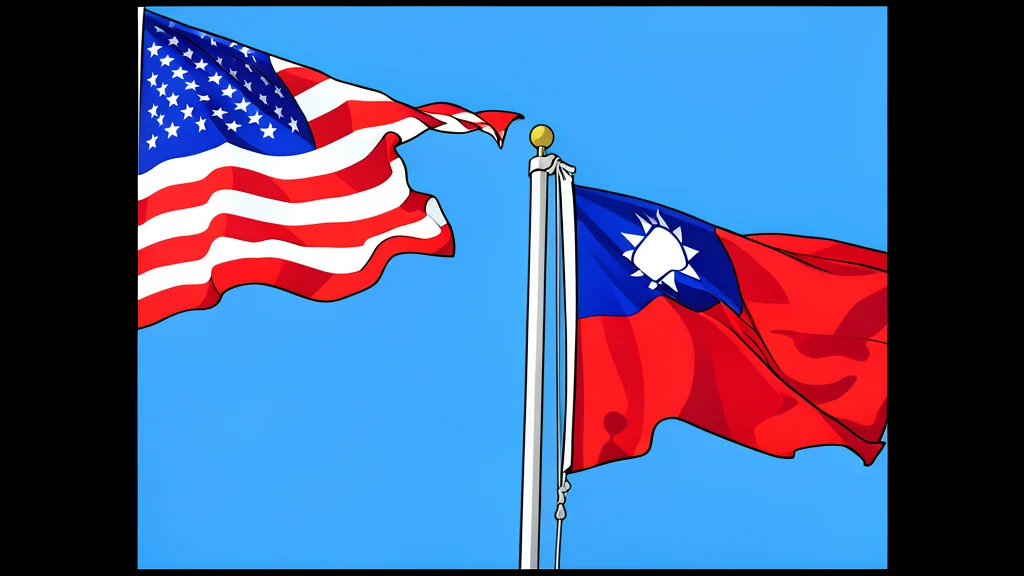
Washington has reaffirmed its commitment to Taiwan's role in the Pacific Islands Forum, framing its engagement as a partnership of equals rather than a strategic counter to Beijing.
The United States has publicly reinforced its support for Taiwan’s continued participation in the Pacific Islands Forum, a move that underscores the deepening geopolitical complexity in the region. During a virtual briefing, Deputy Assistant Secretary of State Matt Murray emphasized that Washington views Taipei as a vital democratic ally whose contributions to economic development are valued by Pacific Island nations. This statement serves as a direct response to ongoing diplomatic friction between Beijing and Taipei regarding the island’s standing in international and regional bodies.
According to the official remarks, the US position is rooted in the established precedent of the forum, where member states are encouraged to determine their own diplomatic engagements. Murray described Taiwan as a reliable partner that aligns with the democratic values of many Pacific countries. The administration stressed that its approach is distinct from the pressure tactics it attributes to China, aiming to foster a collaborative environment focused on shared prosperity and stability in the Pacific basin.
Countering Allegations of Economic Coercion
In the same briefing, US officials leveled serious accusations against China, describing its activities in the region as malicious. Murray cited a range of issues, including illegal, unreported, and unregulated fishing, environmental degradation, and what he termed elite capture and corruption. These allegations suggest a strategy of economic leverage that Washington claims undermines the sovereignty and well-being of Pacific Island states.
The US also pointed to recent military developments, specifically referencing a submarine-launched ballistic missile test as a provocative act that heightens regional security concerns. By linking economic practices with military posturing, the administration seeks to present a comprehensive picture of challenges facing the Pacific. This narrative is intended to rally support among regional partners who may be feeling the weight of Beijing’s expanding influence.
A Partnership Beyond Strategic Rivalry
Despite the pointed criticism of China, US officials were careful to frame their engagement with the Pacific as an autonomous policy choice rather than a reactive measure. Murray explicitly rejected the notion that Washington’s presence in the region is solely aimed at deterring or opposing Beijing. Instead, he highlighted the intrinsic importance of Pacific nations to US security and economic prosperity, arguing that strong bilateral relationships are valuable in their own right.
The administration outlined a broad agenda for cooperation, including energy security, digital connectivity, and maritime safety. By focusing on these tangible benefits, the US aims to demonstrate that its partnership is based on mutual respect and equal footing. This approach seeks to differentiate American diplomacy from what officials described as coercive tactics, offering Pacific Island countries a viable alternative that respects their autonomy and development goals.
Navigating Regional Diplomatic Dynamics
The recent leaders meeting in Palau highlighted the delicate balance that Pacific Island nations must maintain in their foreign policies. While US officials welcomed the approach of Prime Minister Matthew Wale of the Solomon Islands, they emphasized the need for transparency and collaboration in all partnerships. This stance reflects a broader US effort to solidify its role as a trusted partner in a region increasingly contested by major powers.
As tensions persist, the focus remains on how Pacific Island countries will navigate these competing influences. The US commitment to deepening engagement while respecting local priorities signals a long-term strategy. Observers will likely watch for further developments in the Pacific Islands Forum and how member states respond to the divergent diplomatic approaches offered by Washington and Beijing. The coming months will be critical in determining the shape of regional cooperation and the lasting impact of these geopolitical shifts.