Turkey Expands Legal Actions Against LGBTQ+ Organizations
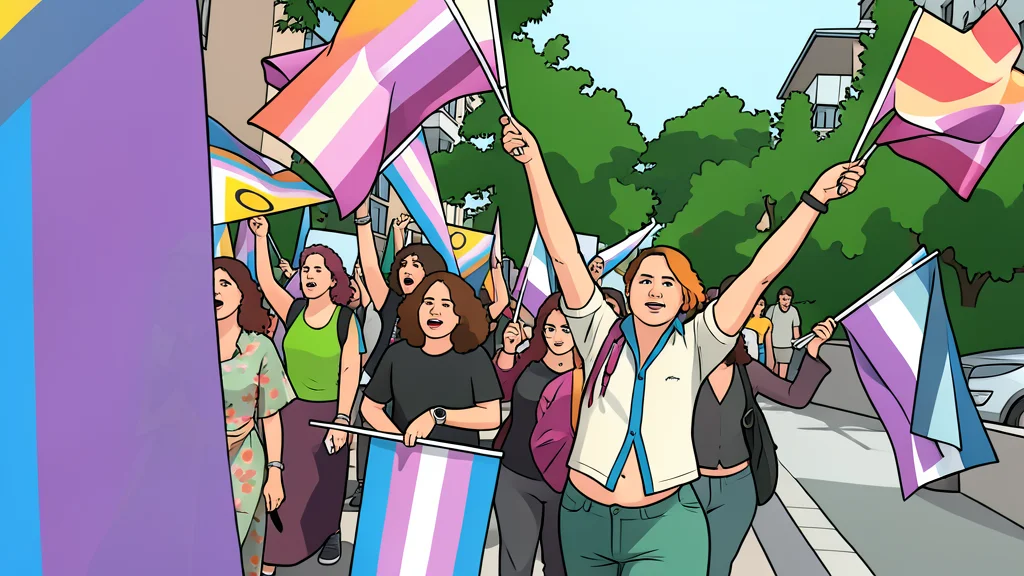
Turkish authorities have initiated a wide-ranging investigation into LGBTQ+ groups, citing public safety concerns while simultaneously restricting online access to advocacy platforms.
Turkey has launched a comprehensive operation targeting LGBTQ+ associations, businesses, and individuals, according to Justice Minister Akin Gurlek. The initiative, named "My Family Is Safe," involves investigations into allegations of prostitution and obscene content across fifteen provinces, including Istanbul, Ankara, and Izmir. Authorities have detained twenty-six suspects and seized digital materials and drugs, signaling a significant escalation in enforcement actions against the community.
In a parallel legal move, a court ordered the blocking of websites and social media accounts linked to seventy-three LGBTQ+ organizations. The ruling, issued on September 12, cited the protection of public order and the prevention of crime as primary justifications. This digital restriction complements the physical crackdown, effectively limiting the online presence of advocacy groups and reducing their ability to communicate with the public.
Legal Rationale and Allegations
Official statements indicate that prosecutors have gathered evidence suggesting that minors are being influenced regarding sexual orientation and gender identity. Gurlek emphasized that some associations received substantial funding from overseas sources, which authorities view with suspicion. The minister stated that the government will not tolerate any network that poses a threat to families or engages in illegal activity targeting young people.
The operation targets one hundred and sixty-two suspects, nine associations, and thirteen businesses. While the specific legal charges vary by case, the overarching narrative presented by officials focuses on safeguarding societal norms. The seizure of digital materials suggests that online communications are now a central focus of the investigative process, blurring the lines between criminal inquiry and political enforcement.
Context of Rising Restrictions
These recent actions follow a trend of increasing pressure on LGBTQ+ communities in Turkey over the past few years. Previous measures included the banning of Pride events and the shutdown of various advocacy groups. In July, Turkey and Egypt jointly refused entry to a cruise ship carrying over one thousand nine hundred LGBTQ+ tourists, with Ankara citing a perceived threat to social cohesion.
Implications for Civil Society
According to reporting by GN geopolitics/rights (en-US), the combined effect of the arrests and the blocking of online accounts represents a significant contraction of space for civil society organizations. The simultaneous use of criminal law and administrative court orders creates a multi-layered barrier for those seeking to operate within the LGBTQ+ community. The forward question remains how international partners will respond to these measures and whether the legal framework will face further challenges in domestic courts.