Myanmar Disputes UN Envoy Legitimacy Amid Ongoing Civil War
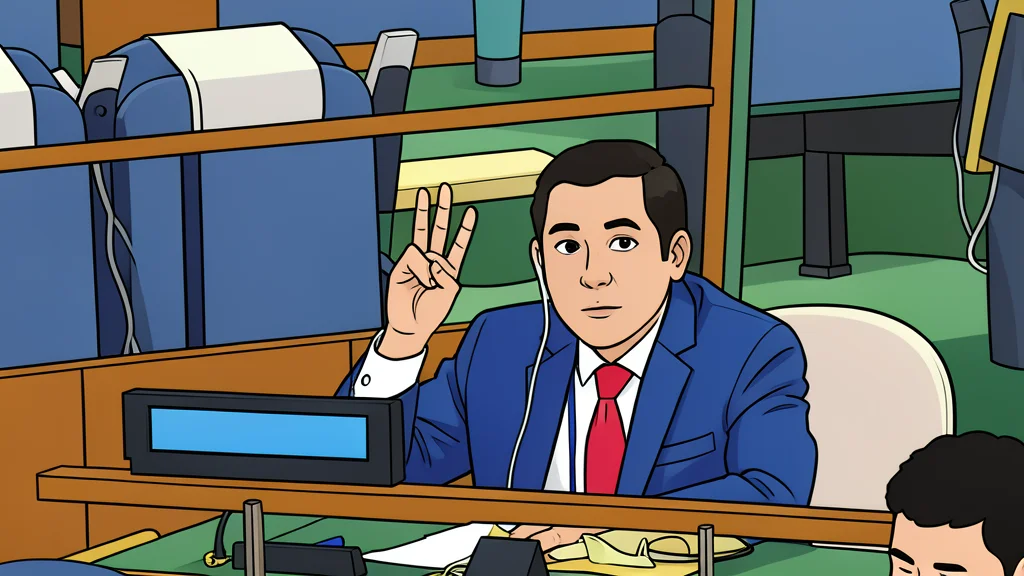
Yangon’s military-backed government asserts that the current UN ambassador lacks legal standing, challenging the diplomatic status quo as the United Nations prepares to review credentials.
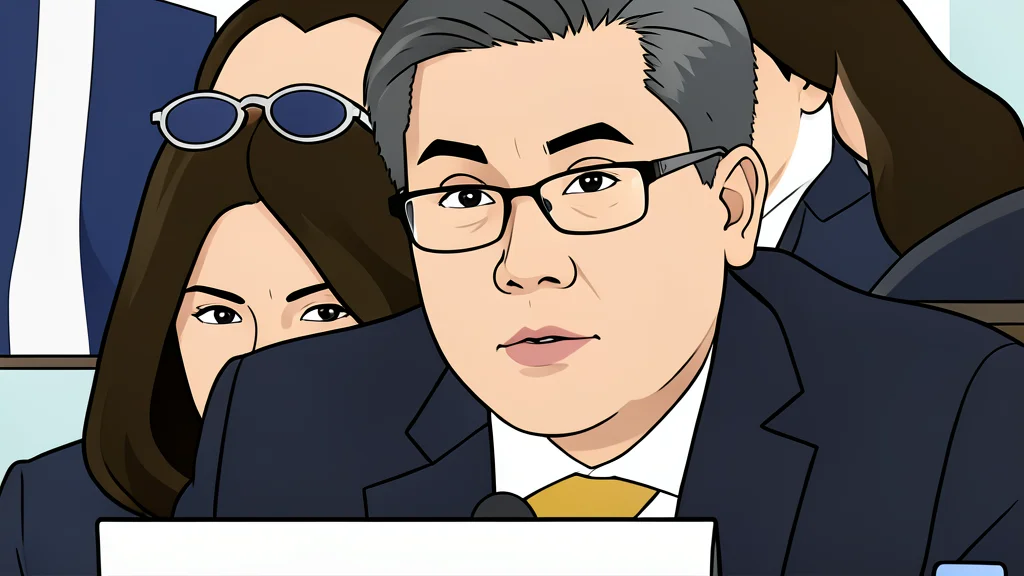
Myanmar’s military-backed government has formally challenged the legitimacy of its ambassador to the United Nations, declaring the position occupied illegally. This assertion comes as the UN credentials committee prepares to evaluate whether to retain Kyaw Moe Tun, who was appointed by the ousted civilian government of Aung San Suu Kyi, or to accept the candidate nominated by Naypyidaw.
The dispute highlights the deepening diplomatic rift following the 2021 coup that ended Myanmar’s decade-long experiment with democracy. While the junta claims sovereignty over all state representatives, the ambassador has maintained his post by refusing to acknowledge the military’s authority, leading to a prolonged standoff that the UN has managed through annual deferrals rather than decisive action.
Accusations of treason and misuse of funds
According to a statement published in state media, the foreign ministry alleges that the ambassador was dismissed from civil service in 2021 for committing treason and colluding with groups designated as terrorists. The ministry further accused him of misusing state funds and property, including the premises of the UN Permanent Mission in New York, while working with the exiled National Unity Government.
The government maintains that the ambassador’s continued presence at the UN does not constitute formal recognition of his legitimacy. Instead, officials describe his status as a temporary arrangement resulting from the committee’s decision to defer its ruling annually, a procedural mechanism that has allowed the diplomatic ambiguity to persist for over five years.
Diplomatic maneuvering and international sanctions
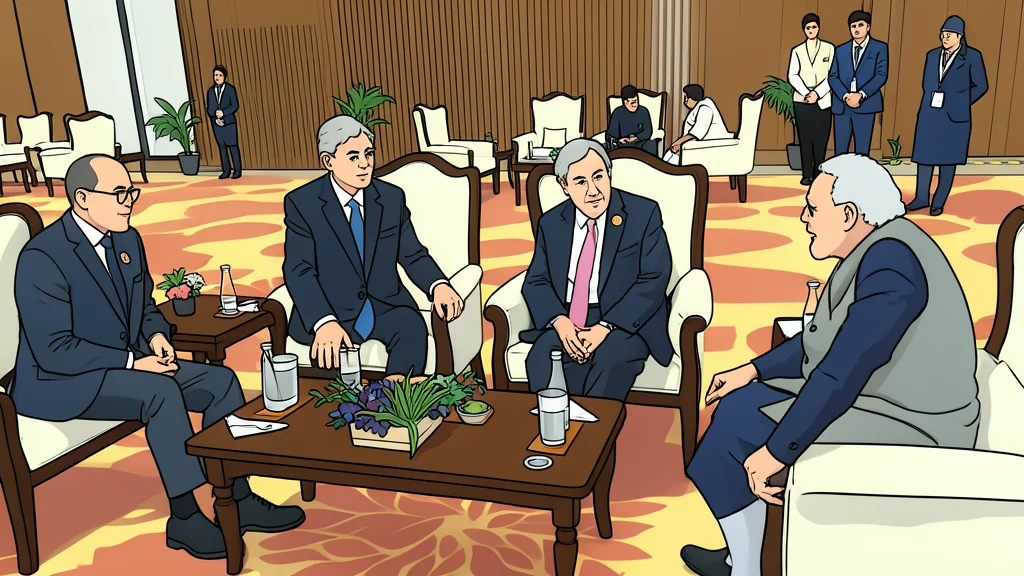
The credentials committee includes members from China, Russia, the United States, and other nations, reflecting the complex geopolitical landscape surrounding Myanmar. While Beijing and Moscow have provided diplomatic support and military supplies to the junta, Washington has sanctioned dozens of leaders, including former junta chief Min Aung Hlaing, limiting the government’s ability to secure widespread international recognition.
Since retiring as armed forces chief and assuming the role of civilian president, Min Aung Hlaing has intensified efforts to restore diplomatic ties. However, the military’s standing remains controversial in many foreign capitals, complicating its bid to replace the ambassador with a nominee aligned with the current regime.
Humanitarian impact of prolonged conflict
The diplomatic dispute unfolds against the backdrop of a civil war that has claimed more than 100,000 lives on all sides, according to the Armed Conflict Location & Event Data Project. The conflict, which pits the military against pro-democracy fighters and ethnic armed groups, has severely destabilized the region and complicated international efforts to mediate a resolution.
As the UN committee approaches its annual decision window, observers are watching for shifts in the committee’s composition or stance. The outcome will signal whether the international community is prepared to validate the junta’s diplomatic claims or continue to uphold the representative of the pre-coup government, a decision with significant implications for Myanmar’s future diplomatic standing.