Xi-Modi Meeting Signals Diplomatic Thaw Despite Persistent Border Tensions
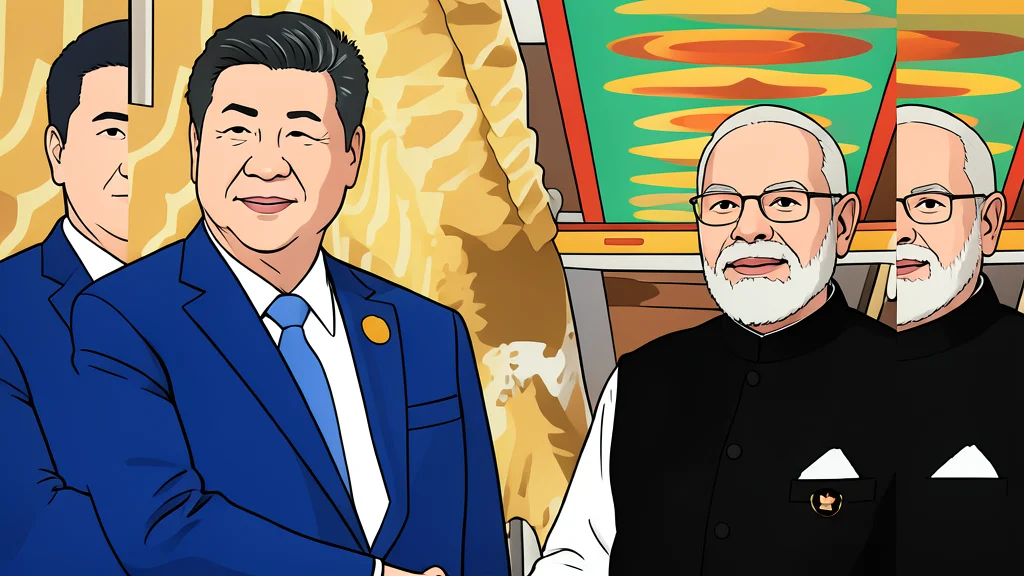
Chinese President Xi Jinping and Indian Prime Minister Narendra Modi used their first in-person meeting on Indian soil in seven years to signal a willingness to manage shared challenges, yet deep structural differences remain.
Chinese President Xi Jinping and Indian Prime Minister Narendra Modi concluded their first face-to-face meeting on Indian soil in seven years with a joint declaration of intent to stabilize relations. The 45-minute discussion, which took place on the sidelines of the BRICS summit in New Delhi, was framed by both leaders as a strategic reset. According to official statements, the two nations agreed to adopt a long-term perspective on their bilateral ties, prioritizing cultural and business exchanges over immediate geopolitical frictions.
Despite the symbolic nature of the encounter, observers note that the underlying architecture of India-China relations remains fragile. The meeting occurred against the backdrop of a multi-decade low point in relations, a period defined by lethal border clashes in 2020 and subsequent restrictions on cross-border investment. While the leaders expressed a desire to view each other as partners rather than rivals, the divergent post-meeting readouts from New Delhi and Beijing suggest that fundamental disagreements regarding the boundary dispute and trade imbalances have not been resolved.
Diverging narratives on border stability
The most significant point of contention remains the 3,488-kilometer shared frontier. In its official statement, New Delhi emphasized that peace along the border is a prerequisite for any further development in the relationship. Conversely, Beijing reiterated its standard position that the boundary dispute should be separated from the broader strategic and economic partnership. This divergence in diplomatic language highlights the difficulty in finding a common framework for managing security concerns while pursuing cooperative goals.
Economic factors further complicate the diplomatic landscape. India has highlighted a growing trade deficit, which has doubled over the past decade, indicating an increasing reliance on Chinese goods and components. According to analysts cited by GN auto geopolitics/asia-pacific: India China border, these economic imbalances create a structural dependency that New Delhi views with caution. The tension between economic interdependence and strategic competition remains a central dynamic in the bilateral relationship.
Strategic maneuvering in global forums
The timing of the meeting suggests that external pressures are driving the current thaw. Both nations are navigating complex relationships with the United States under the administration of President Donald Trump. The joint BRICS statement, which called for restraint in the Middle East and a rollback of trade barriers, served as a platform for Xi to project leadership within the bloc. For India, the summit offered an opportunity to demonstrate its role as a stabilizing force in a volatile international environment.
Julian Gewirtz, a former senior director at the White House National Security Council, described the optics of the summit as a clear signal to Washington ahead of Xi’s expected visit to the US. The coordination between New Delhi and Beijing on global issues, such as tariff policies, indicates a willingness to align their positions in multilateral settings, even as bilateral trust remains limited.
Cautious optimism among regional analysts
While the body language of the leaders suggested a degree of personal comfort, experts remain cautious about the durability of this diplomatic shift. Sana Hashmi, a postdoctoral fellow at the Taiwan-Asia Exchange Foundation, noted that external factors such as US policies are driving the current engagement, but she warned against overestimating the depth of the reconciliation. She stated that divergences still outweigh convergences, with China continuing to view India as a strategic competitor.
The recent resumption of direct flights and tentative steps in border negotiations provide a foundation for further engagement, but the path forward remains uncertain. As the two nations prepare for upcoming diplomatic engagements, the focus will likely shift from symbolic gestures to concrete mechanisms for dispute resolution. The coming weeks will test whether the current thaw can withstand the pressures of ongoing geopolitical competition.