Analysts Warn Russia Seeks to Fracture NATO Cohesion
UnHerd analysis suggests Moscow aims to exploit alliance divisions through gradual escalation rather than immediate full-scale war.
Key points
- UnHerd analysis argues Russia aims to break NATO cohesion through gradual escalation rather than direct invasion.
- Intelligence suggests Russia is planning accidental strikes to test alliance response thresholds and sow discord.
- The strategic goal is to exploit the high cost of collective defense to reshape European power dynamics.
Geopolitical analysts suggest that Russia’s current strategy towards the North Atlantic Treaty Organization is designed to dismantle the alliance from within rather than trigger an immediate conventional conflict. According to a recent analysis by UnHerd, the Kremlin views the cohesion of NATO as its most significant vulnerability in an era of hybrid warfare. The goal is not necessarily territorial recovery, but the restoration of Russian dominance over European security architecture.
The analysis posits that Moscow is employing a strategy of gradual escalation to sow discord among member states. By leveraging legal technicalities and diplomatic pressure, Russian leadership aims to force European allies to question the economic and political costs of honoring collective defense commitments. This approach relies on the assumption that most members will hesitate to engage in full-scale war, creating a window for Russia to dictate terms to its neighbors without triggering a broader global conflict.
Escalation through grey-zone tactics
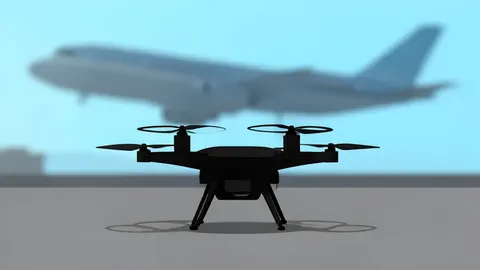
Recent months have seen a pattern of ambiguous incidents attributed to Russian forces, including drone incursions and missile drifts near European borders. Polish and Lithuanian leaders have reportedly shared intelligence indicating plans for accidental strikes on pro-Ukrainian NATO members, a claim corroborated by French President Emmanuel Macron. These actions are interpreted as attempts to test the alliance’s response thresholds and create internal friction regarding the definition of a provocation requiring a collective military response.
Strategic aims beyond territorial control
The core objective, as described in the report, is the fragmentation of NATO into a collection of isolated national interests rather than a unified bloc. By exploiting the high cost of enforcing Article V, Russia seeks to weaken the political will required for joint defense. This would allow Moscow to reassert influence over Eastern Europe and reshape the continental balance of power, achieving a strategic victory without the catastrophic risks associated with a direct world war.
Diplomatic signals and military posturing
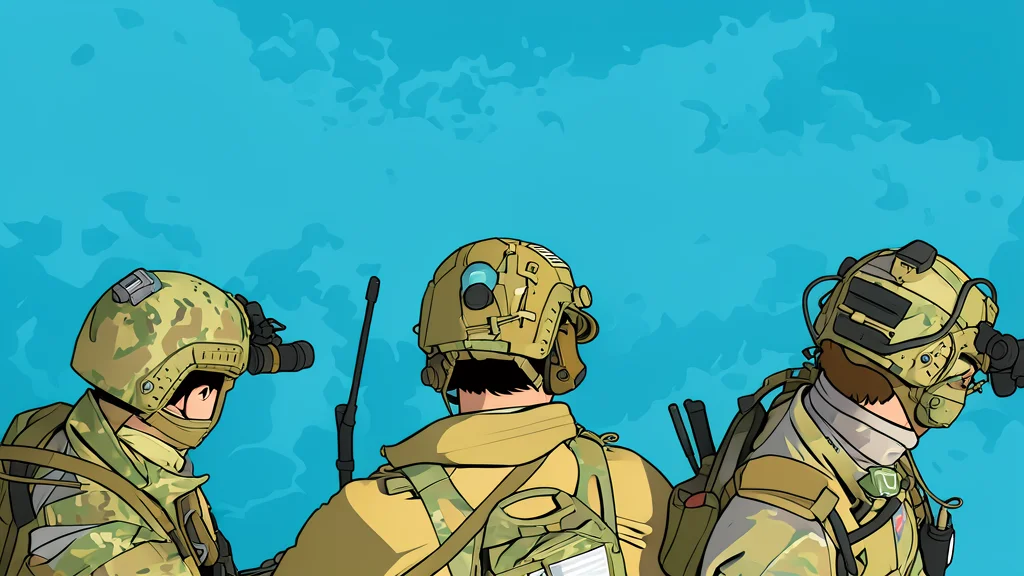
Diplomatic channels remain active, with unannounced visits by senior US intelligence officials to Moscow reported in recent weeks. These engagements are viewed as efforts to warn against further attacks on NATO territory while simultaneously exploring potential de-escalation pathways. However, the simultaneous buildup of Russian forces in western Belarus and Kaliningrad suggests that diplomatic efforts are being conducted alongside significant military preparation, keeping the situation at a tense equilibrium.
The forward question remains whether European allies can sustain the political unity required to counter these hybrid tactics. Watch for further ambiguous incidents near the Baltic states and the reaction of key European capitals to the latest intelligence reports. The stability of the alliance will likely depend on its ability to maintain a consistent response to grey-zone challenges without being drawn into a broader conflict.