Baltic Airspace Alert Triggered by Bird Flock Misidentified as Drone

A routine radar detection in Lithuania led to a temporary airport closure and a NATO jet scramble, highlighting the challenges of distinguishing biological threats from aerial drones in a tense regional security environment.
Vilnius International Airport was forced to suspend operations for nearly an hour on Sunday after radar systems flagged an unidentified object in the airspace. The alert triggered a rapid response from NATO forces, with a fighter jet scrambled to intercept the potential threat. According to the Lithuanian National Crisis Management Center, the object was initially assessed as a drone, prompting a standard security protocol that prioritized the safety of civilian air traffic.
The situation resolved quickly once the interceptor aircraft made visual contact with the target. The radar signature, which had mimicked the profile of an unmanned aerial vehicle, was confirmed to be a large flock of birds. The airport reopened 38 minutes after the initial alert, and no injuries or damages were reported. This incident underscores the technical difficulties defense systems face in distinguishing between natural phenomena and potential military incursions in real-time.
NATO Response Mechanisms Activated
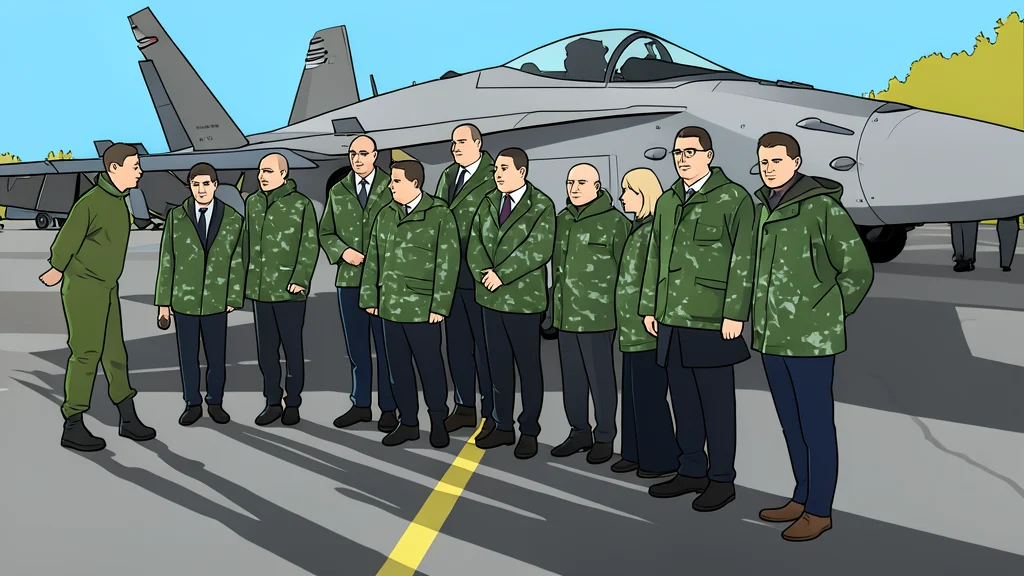
The interceptor was launched from Šiauliai in northern Lithuania, where Italian Air Force personnel are currently deployed as part of the Allied Air Command mission. This deployment is part of a broader NATO effort to monitor and defend the airspace of the Baltic states. The rapid reaction time reflects the heightened state of readiness maintained by member states in the region, ensuring that any potential violation of sovereign airspace is met with immediate verification and, if necessary, deterrence.
According to officials, initial radar readings often create ambiguity, as the electromagnetic signatures of bird flocks can closely resemble those of small drones. This overlap necessitates a cautious approach, where the default assumption is that the object is hostile until visual confirmation is achieved. Such protocols are standard in modern air defense operations, balancing the need for swift action with the risk of misidentifying harmless natural events.
Regional Security Tensions Persist
This event occurs against a backdrop of increased security concerns in the Baltic region. In recent months, there have been multiple reports of drones entering the airspace of Finland and the Baltic states, some of which were later identified as accidental incursions or technical failures. Lithuanian Defense Minister Robertas Kaunas stated that intelligence agencies have observed signs suggesting Russia may be considering using captured Ukrainian-made drones for provocative actions in the area, though Moscow has denied these allegations.
A similar incident occurred in Poland just days before the Lithuanian alert, where radar systems detected suspicious movement near the Belarusian border. That detection was also eventually attributed to a large bird flock rather than a drone. These recurring false alarms highlight the strain that environmental factors place on regional air defense networks, which must remain vigilant against genuine threats while managing the inherent limitations of sensor technology in complex environments.
Challenges in Airspace Monitoring
The incident in Vilnius serves as a reminder of the evolving challenges in airspace management. As drone technology becomes more advanced and widespread, the ability to distinguish between legitimate unmanned aircraft, hostile drones, and natural objects like birds becomes increasingly critical. NATO and national air forces continue to refine their detection and identification methods, but the inherent ambiguity in radar data remains a persistent issue.
According to reporting by GN geopolitics/nato, these events are part of a broader pattern of heightened vigilance in the Baltic region. The repeated need to scramble assets for what are ultimately benign targets consumes resources and adds to operational stress. However, the protocol of treating every unidentified object as a potential threat remains the safest course of action in a region where geopolitical tensions are high and the risk of miscalculation is a primary concern for policymakers and military commanders alike.