EU Leaders Convene in Finland to Draft New Arctic Strategy
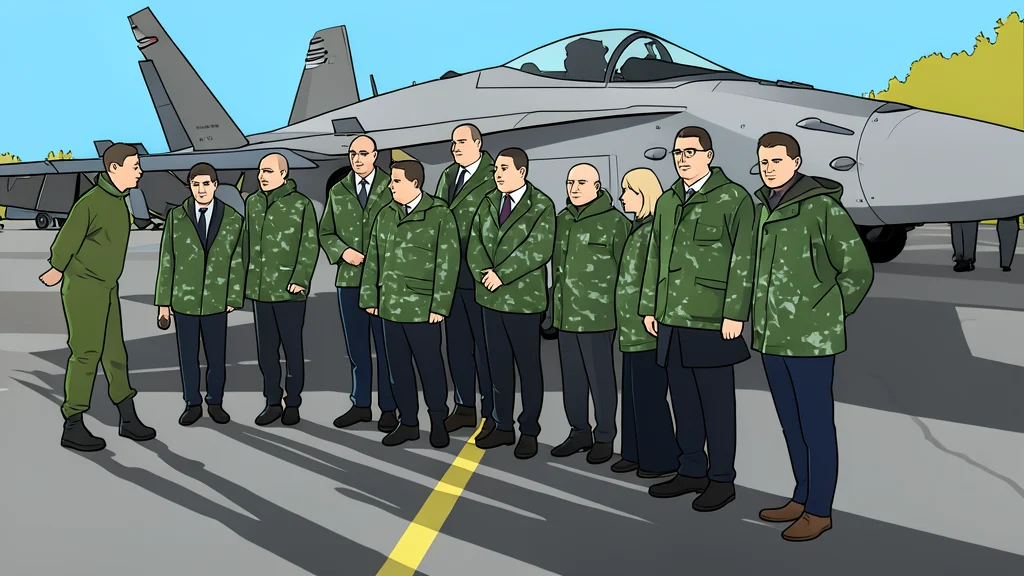
European heads of state gather in Rovaniemi to address security and resource challenges in the High North amid intensifying global competition.
European leaders are gathering in Rovaniemi, Finland, to coordinate a unified response to the shifting geopolitical landscape in the Arctic. The summit brings together key figures from the European Commission and member states to discuss the region's growing importance to continental security. As climate change accelerates ice melt, the Arctic is becoming increasingly accessible, prompting a renewed focus on shipping lanes, mineral extraction, and military presence.
According to Deutsche Welle, the meeting serves as a critical step in shaping the bloc's upcoming strategic framework. While no formal decisions are expected during the summit, the discussions aim to align national interests with a broader EU approach. This effort comes as the region faces heightened attention from the United States, China, and Russia, all of whom are expanding their activities in the High North.
Shifting Priorities in the High North
Finland, which initiated the summit, has emphasized that the Arctic is an increasingly vital component of Europe's security environment. Finnish officials argue that robust icebreaker capabilities are essential for protecting trade routes and maintaining a military presence in the region. Without these assets, Europe would struggle to safeguard its supply chains or respond to potential threats from external actors seeking to exploit the opening waters.
The European Commission views the Arctic as central to its future strategic interests. The region is warming nearly four times faster than the global average, a trend that is opening new transport corridors and access to valuable raw materials. This environmental shift has spurred increased energy and resource activity by major powers, forcing the EU to reconsider its long-term posture in an area previously viewed as remote and inaccessible.
External Pressures and Internal Coordination
The summit addresses concerns about rival nations testing the viability of new shipping routes. In recent months, vessels from China and South Korea have navigated the North Sea Route, highlighting the strategic value of these waterways. Meanwhile, tensions have risen regarding Greenland, with US President Donald Trump asserting that the United States must secure the territory for national security reasons. These statements have prompted NATO to launch new security missions and the EU to announce increased cooperation and investment in the region.
European Commission President Ursula von der Leyen recently visited Greenland to announce a €200 million investment package aimed at developing infrastructure for raw material extraction. She stated that the EU intends to be more engaged in the Arctic, creating opportunities for economic growth while asserting a stronger political presence. This move is seen as a direct response to the perceived inability of Denmark to protect its semi-autonomous territory from external influence.
Implications for Future Security
The upcoming strategy document will likely reflect the outcomes of these high-level discussions. National leaders retain the ability to influence the final text, making the current dialogue particularly timely. The EU seeks to balance economic interests with security concerns, ensuring that its approach is coherent and effective against the backdrop of intensifying global competition.
Observers will watch how the EU translates these political commitments into concrete policies in the coming weeks. The success of this new strategy will depend on the bloc's ability to coordinate its member states' actions and respond decisively to the evolving challenges posed by climate change and geopolitical rivalry in the Arctic.