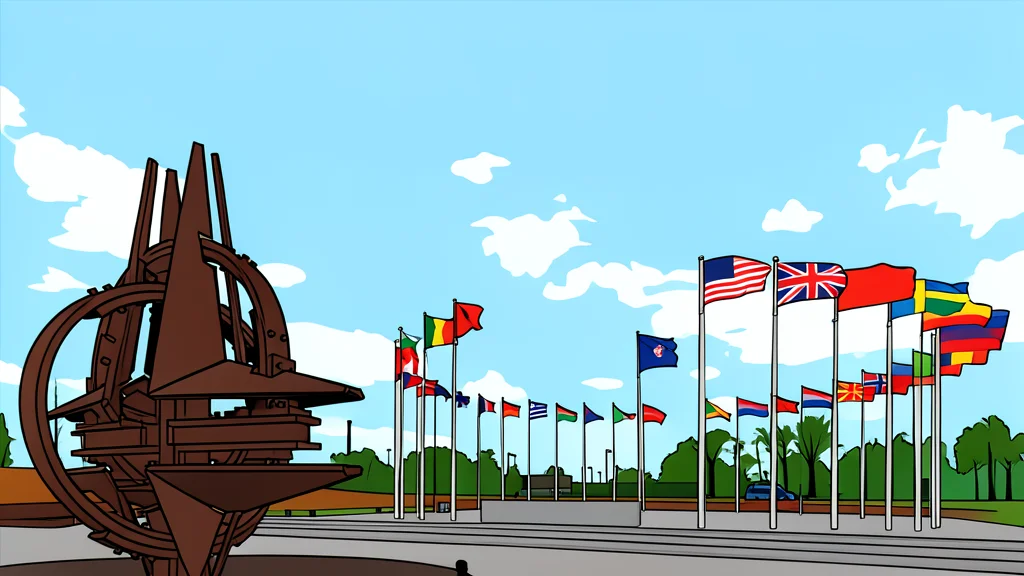
Canada Formally Applies to Join UK Led Joint Expeditionary Force
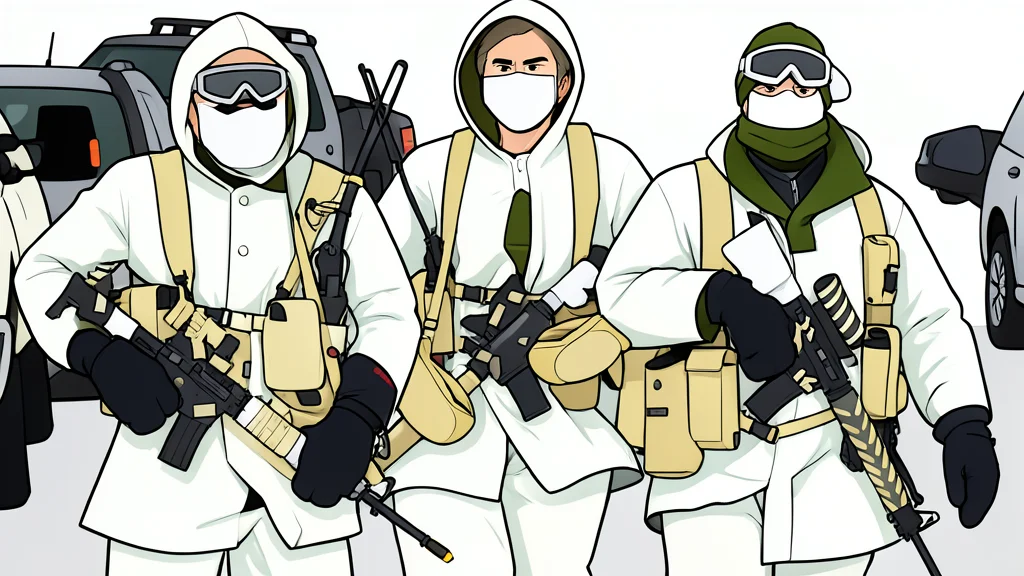
Prime Minister Mark Carney announced Canada's formal bid to join the UK-led Joint Expeditionary Force during a visit to London, marking a significant shift from previous hesitancy.
Canada has formally applied to join the United Kingdom’s Joint Expeditionary Force, a rapid-response alliance of NATO nations designed to deploy forces more quickly in times of crisis. Prime Minister Mark Carney announced the decision on Wednesday while meeting his British counterpart, Andy Burnham, describing the initiative as an important step in strengthening bilateral defence ties.
The move reverses a decade of hesitation. In 2014, when the concept was first discussed at a NATO summit in Wales, the Canadian government under former Prime Minister Stephen Harper declined the invitation. At the time, military leadership expressed concerns that joining without a specific mission could bind the country to future operational commitments that might conflict with domestic political priorities.
Historical Hesitancy Gives Way to Strategic Engagement
According to reports from GN geopolitics/nato, the original invitation came during the waning days of the war in Afghanistan, a period when Canada was undergoing deep budget cuts. Lt.-Gen. Jonathan Vance, who later became chief of the defence staff, voiced specific concerns in 2014, arguing that the force required a substantial undertaking that could limit government flexibility in future crises.
The geopolitical landscape has shifted significantly since then. Russia’s annexation of Crimea in 2014 and the full-scale invasion of Ukraine in 2022 transformed the Joint Expeditionary Force from a simple expeditionary concept into a robust Northern European security coalition. This evolution has likely influenced Ottawa’s reconsideration of its stance, aligning Canada more closely with European defence architectures.
Operational Distinctions From Collective Defence Clauses
It is crucial to note that membership in the Joint Expeditionary Force does not trigger the same obligations as NATO’s Article 5 collective defence clause. Instead, the alliance functions as a coalition of willing states capable of assembling forces for specific contingencies without requiring consensus among all NATO members. This structure allows for faster decision-making, a key advantage highlighted by a 2024 report from the Royal United Services Institute.
Currently, the force includes the UK, Denmark, Estonia, Latvia, Lithuania, the Netherlands, Norway, Finland, Sweden, and Iceland. While the UK provides the command structure and military backbone, other nations contribute forces as needed. Canada’s entry would add another layer of flexibility to this existing framework, though the practical details of participation remain under discussion.
Unresolved Questions Regarding Practical Implementation
Prime Minister Carney’s announcement did not specify how Canada’s participation would work on a practical level. General Jennie Carignan, the current chief of the defence staff, has not yet publicly weighed in on what this membership might entail for the Canadian military. The lack of detailed operational parameters suggests that the application is a political signal of intent rather than a finalized logistical commitment.
Observers will watch closely for any subsequent announcements detailing the scope of Canadian contributions. The integration of Canadian forces into the Joint Expeditionary Force framework could serve as a test case for broader transatlantic defence cooperation, particularly as NATO nations seek to enhance their rapid-response capabilities in the face of ongoing European security challenges.