Niger's Missionary Crisis Deepens Amidst Regional Instability
The recent abduction of a fellow missionary in Niamey highlights the escalating security risks for foreign aid workers in the Sahel, a trend documented in recent geopolitical analyses.
The release of American missionary Jeff Woodke in March 2023 brought a temporary end to his six-year captivity in the Sahel, but the broader security environment has continued to deteriorate. According to reporting from GN geopolitics/terror (en-US), the region remains a volatile landscape where foreign aid workers and religious figures face increasing threats from armed groups. Woodke’s experience, detailed in his memoir, underscores the human cost of the expanding insurgency that has disrupted decades of development work in Niger and neighboring countries.
In October 2025, a new incident involving American missionary Kevin Rideout, who had been released only months prior, signaled that the danger persists despite diplomatic efforts. Rideout was abducted from his home in Niamey, the capital of Niger, by an unidentified group. This event follows a pattern of kidnappings that has become a significant source of revenue for jihadist organizations in the area, extending beyond Niger into neighboring Nigeria where mass abductions of church members and students have been reported.
Shifting Military Postures in the Region
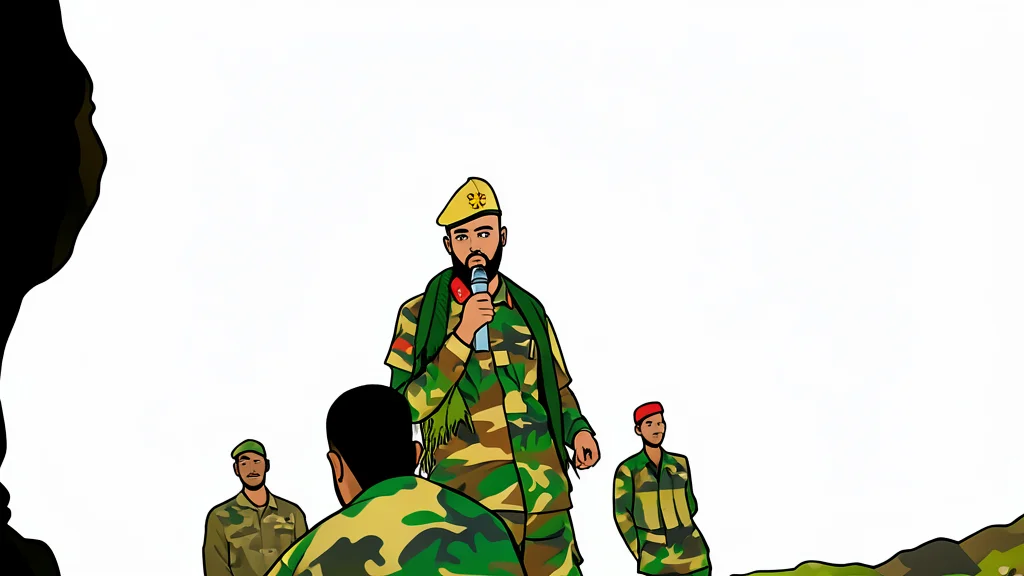
The political landscape in Niger has shifted dramatically since the military coup in July 2023. General Abdourahamane Tiani’s government has moved to assert greater sovereignty, ordering the withdrawal of foreign troops, including United States military personnel, from the country. This diplomatic realignment has complicated efforts to combat regional terrorism, leaving local populations and foreign nationals more vulnerable to attacks by groups such as Jama’at Nusrat al-Islam wal-Muslimin (JNIM).
For decades, foreign missionaries have played a crucial role in providing training and aid to local churches in Niger. However, the combination of political instability and intensified jihadist activity has severely disrupted these efforts. The departure of international military support has created a security vacuum that armed groups are increasingly exploiting, leading to a rise in targeted abductions and violent attacks on perceived Western interests.
Psychological Impact of Prolonged Captivity
Woodke’s account offers a rare insight into the psychological toll of long-term captivity. Describing periods where he was confined to a small space in the Sahara, he detailed the dehumanizing treatment designed to break his spirit. According to his memoir, captors used chains, physical violence, and constant threats to isolate him from his identity and faith. The strategy aimed to erode hope and force a conversion to Islam, a tactic common among the groups operating in the region.
Despite the harsh conditions, Woodke noted that maintaining a sense of humanity was central to his survival. He described the process of forgiving his captors as a deliberate choice to prevent hatred from consuming him. This internal struggle highlights the complex ethical and psychological challenges faced by those held by terrorist organizations, where the line between survival and compromise becomes blurred over years of isolation.
Future Security Concerns in the Sahel
As the region grapples with these challenges, the focus is shifting toward sustainable security solutions that involve local communities. The recent abductions serve as a stark reminder that the threat to foreign nationals and local civilians is not receding. Observers are watching how the Nigerien government and international partners will adapt their strategies in the absence of direct military intervention, while also addressing the root causes of the insurgency.
The coming months will be critical in determining whether diplomatic efforts can stabilize the situation or if the cycle of violence will continue to expand. The safety of aid workers and the resilience of local institutions will be key indicators of the region’s trajectory, as the Sahel faces one of its most severe security crises in recent history.